
What Does a Utah Roof Replacement Actually Cost?
Utah roof replacement cost typically falls between $8,000 and $25,000 for most homes, with the statewide average sitting around $10,008.
Here’s a quick snapshot to help you budget:
| Home Size | Estimated Cost Range |
|---|---|
| 1,000–1,500 sq ft | $5,000–$10,000 |
| 1,500–2,500 sq ft | $8,000–$18,000 |
| 2,500+ sq ft | $15,000–$30,000+ |
Your final number depends on the material you choose, your roof’s pitch and complexity, and where in Utah you live. Most homeowners with a mid-size home and quality asphalt shingles land somewhere between $12,000 and $18,000.
Utah’s climate makes roofing more demanding than in many other states. Sub-zero winters, summer highs above 100°F, heavy snow loads along the Wasatch Front, and intense high-altitude UV exposure all put extra stress on your roof — and your budget. Asphalt shingles that might last 30 years in a mild climate often wear out in as little as 20 years here in Northern Utah.
That’s exactly why understanding the real costs upfront matters so much before you commit to a project.
At Heaton Bros. Roofing, we’ve helped Salt Lake City–area homeowners navigate Utah roof replacement cost with honest estimates and quality workmanship — no surprise fees, no pressure. Whether you’re dealing with storm damage or an aging roof that’s simply reached the end of its life, we’re here to make the process straightforward.
Understanding the Average Utah Roof Replacement Cost
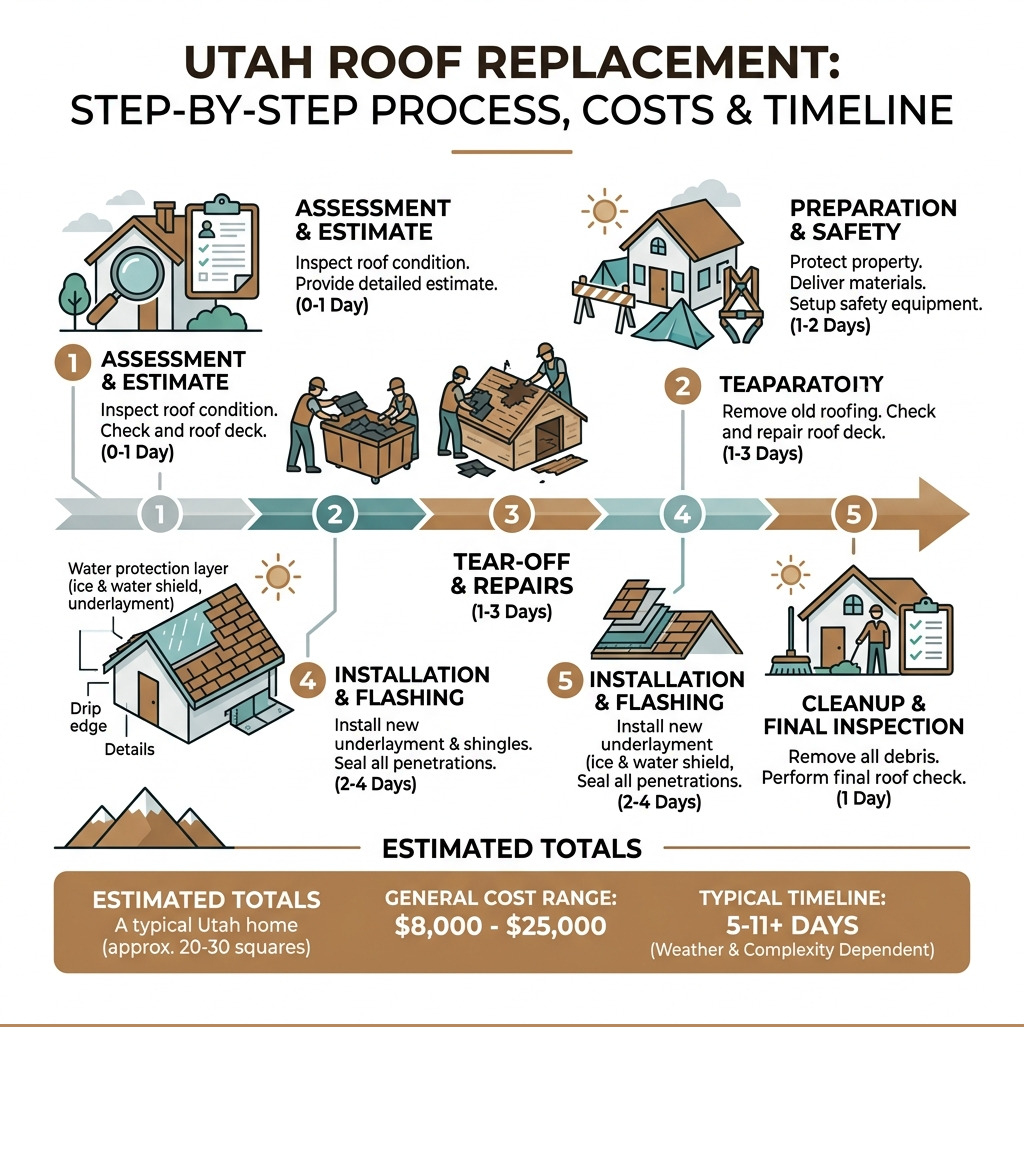
When we talk about the Utah roof replacement cost, we aren’t just pulling numbers out of thin air. We look at the “roofing square,” which is a 10-by-10-foot area (100 square feet). Most homes in the Salt Lake City area have roofs ranging from 20 to 30 squares.
While the statewide average is approximately $10,008, this figure can swing wildly based on the footprint of your home and how many stories you have. For instance, a sprawling rambler in South Jordan will often cost more to roof than a two-story home in Bountiful with the same total living space, simply because the rambler has a much larger roof surface area.
| Home Footprint (approx.) | Typical Roof Size | Average Asphalt Cost |
|---|---|---|
| 1,500 sq ft (1-story) | 18–22 Squares | $8,244 – $12,000 |
| 2,000 sq ft (2-story) | 22–26 Squares | $9,401 – $15,000 |
| 2,500 sq ft (2-story) | 28–32 Squares | $10,826 – $18,000 |
It is important to remember that these are baseline estimates. If your home has a steep peak or a complex design with multiple gables, the price will naturally trend toward the higher end of the scale. For a deeper dive into these numbers, check out More info about how much a new roof actually costs.
Estimating Utah Roof Replacement Cost by Material
The material you select is the single biggest “dial” you can turn to adjust your budget. In Utah, asphalt shingles are the king of the mountain, making up about 70% of the residential market. According to the National Roofing Contractors Association (NRCA), asphalt shingles are the most common roofing material used in North America. They are affordable, reliable, and come in various tiers.
- Standard Asphalt Shingles: These are the most budget-friendly, typically costing between $3.50 and $5.50 per square foot.
- Architectural Shingles: These are thicker and more durable, usually running $4.50 to $6.00 per square foot. They are highly recommended for the Wasatch Front due to their better wind resistance.
- Metal Roofing: While the upfront cost is higher—ranging from $8.00 to $12.00 per square foot—metal roofs can last 50 to 70 years. They are excellent for shedding heavy snow in places like Park City or Alpine.
- Slate and Tile: These are the “forever roofs” but come with a “forever price.” Slate can cost $15.00 to $30.00 per square foot, and tile often ranges from $12.00 to $25.00. Be aware that these materials are very heavy; your home’s structure must be rated to handle the extra weight, especially when you add a Utah snow load on top.
To see how these materials stack up over time, read More info about roof replacement prices.
Regional Price Variations Across the Wasatch Front
Does it matter if you live in Salt Lake City versus Provo or Ogden? In short, yes. While material costs remain relatively stable across the state, labor rates and disposal fees fluctuate by municipality.
In Salt Lake City, you might see a 10–15% premium on labor due to the higher cost of doing business and stricter permitting requirements. In more rural areas or smaller towns like Nephi or Tooele, labor might be slightly more accessible, but you may pay more in “mobilization fees” if the crew has to travel a long distance.
Disposal fees also vary. Tearing off an old roof creates a massive amount of waste—sometimes several tons. Landfill fees in Salt Lake County can be higher than those in Utah County, which can add a few hundred dollars to your total Utah roof replacement cost.
Key Factors That Influence Your Utah Roof Replacement Cost
If you’ve ever wondered why your neighbor’s quote was $3,000 cheaper than yours for a similar-sized house, the answer usually lies in the “Three Cs”: Complexity, Componentry, and Condition.
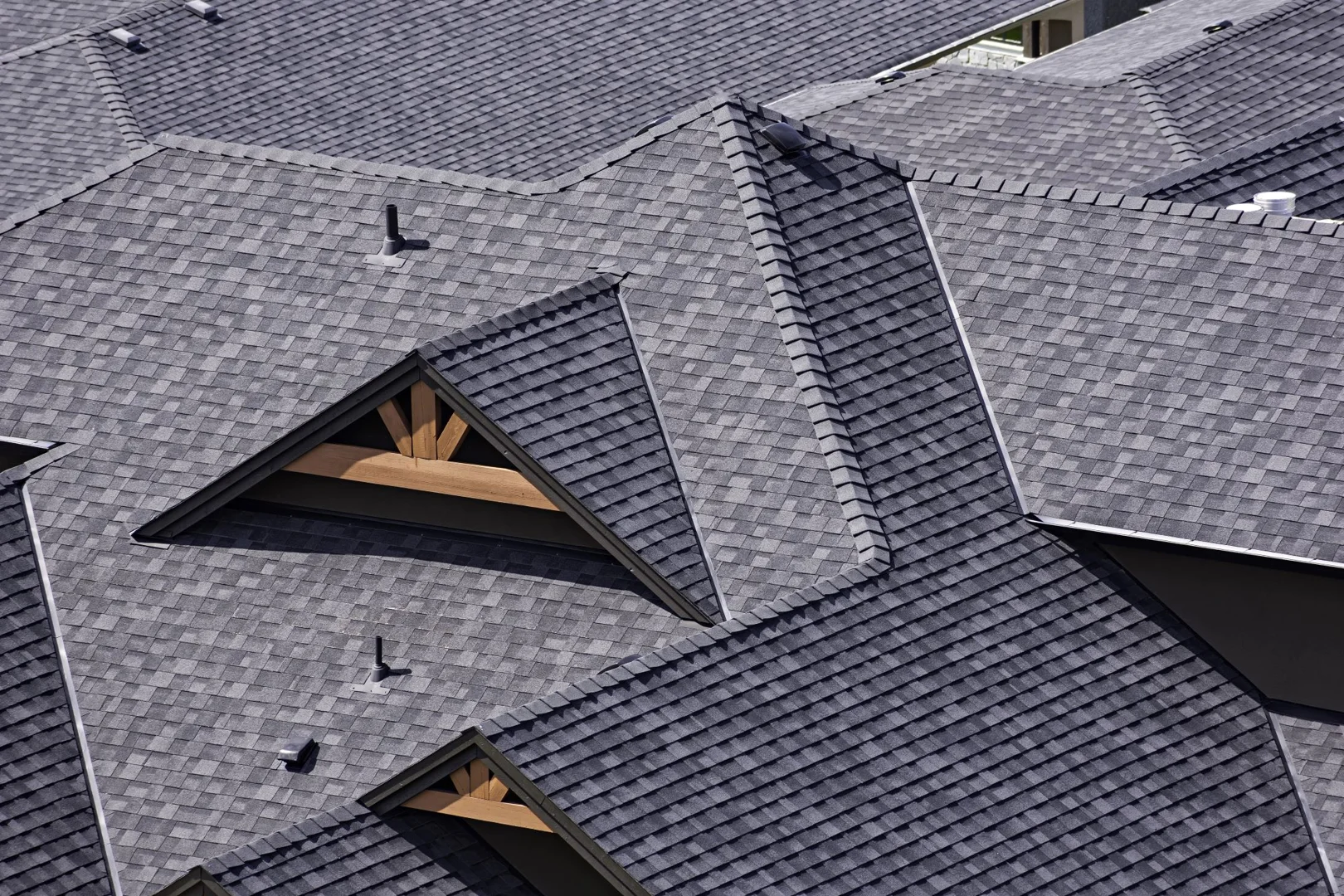
A simple “up-and-over” gable roof is the easiest and cheapest to install. However, many Utah homes feature complex architectural styles—think Tudor or Spanish Mission—that involve multiple valleys, dormers, and intersecting rooflines. Each of these features requires extra flashing and more meticulous labor to ensure they stay watertight.
For more details on local requirements, see More info about the Salt Lake City re-roofing lowdown.
Impact of Roof Pitch and Complexity on Labor
In the roofing world, “pitch” refers to the steepness of the roof. If a roof is so steep that a worker cannot walk on it without safety ropes and harnesses (typically a 6:12 pitch or higher), it is considered a “steep slope” job.
Steep roofs add 15% to 30% to the labor cost. Why? Because everything takes longer. Shingles have to be staged differently, workers move slower for safety, and specialized equipment like scaffolding or “roof jacks” must be used. If your home has multiple chimneys, skylights, or intricate valley flashing, the labor hours will climb quickly.
Hidden Expenses: Tear-Off, Decking, and Permits
The “hidden” costs are what often catch homeowners off guard. Here are the most common:
- Tear-Off and Disposal: Removing your old shingles typically costs between $1,000 and $3,000. If you have two layers of shingles (the legal limit in Utah), the cost doubles because of the extra weight and labor.
- Decking (Sheathing) Replacement: We won’t know the true condition of your roof deck until the old shingles are gone. If we find dry rot or water-damaged OSB, those sheets must be replaced. Expect to pay $60 to $80 per sheet of plywood or OSB.
- Permits: Most Utah cities, from Layton to Provo, require a building permit for a full replacement. These fees generally range from $150 to $500 and often include a mid-project or final inspection to ensure everything is up to code. You can find more information on local requirements through the Salt Lake City Building Services website.
Get the full scoop on these extras here: More info about understanding the average cost to roof your home.
Choosing Materials for Utah’s Extreme Climate
Utah is a land of extremes. We deal with the “Big Three”: heavy snow loads, intense UV radiation, and the freeze-thaw cycle.
In the winter, snow sits on your roof, melts during the day, and refreezes at night. This can create ice dams—thick ridges of ice at the edge of your roof that trap water behind them. Without the right materials and installation techniques, that trapped water will find its way into your attic. In the summer, the Utah sun bakes shingles at high altitudes, causing them to become brittle and lose their protective granules.
Investing in high-quality materials isn’t just about aesthetics; it’s about long-term savings. Learn more at More info about the cost benefits of a roof replacement for Utah homeowners.
Performance of Asphalt vs. Metal in High Altitudes
For most homeowners in the Salt Lake Valley, architectural asphalt shingles offer the best balance of cost and performance. Modern shingles, like the Owens Corning Duration series, are rated for 130 MPH winds—essential for those canyon winds that howl through Draper and Farmington.
However, if you live in a high-altitude area like Park City or Logan, metal roofing (specifically standing seam) is a fantastic investment. Metal sheds snow efficiently, preventing the heavy accumulation that leads to structural stress. It also handles UV exposure much better than asphalt, meaning it won’t crack or peel under the desert sun.
Planning your material choice? Check More info about planning a roof replacement.
Ventilation and Ice Shield Requirements
A roof is a system, not just a layer of shingles. To survive Utah’s climate, your roof needs:
- Ice and Water Shield: This is a sticky underlayment applied to the eaves and valleys. Utah building codes often mandate this to protect against ice dams.
- Proper Ventilation: This includes ridge vents at the peak and soffit vents at the eaves. Good airflow keeps your attic cool in the summer (lowering AC bills) and prevents moisture buildup in the winter.
- Drip Edge: This metal flashing along the edges of your roof directs water into the gutters rather than behind your fascia boards.
If you see shingles curling or ice dams forming every winter, it’s a sign your system is failing. Read More info about signs you need roof repair or replacement.
How to Save Money on Your Utah Roof Replacement
We know a five-figure price tag is a lot to swallow. However, there are ways to manage the Utah roof replacement cost without cutting corners on quality.
One of the best ways to save is through financing. Many reputable contractors offer 0% APR options for 12–18 months or low-interest long-term loans. This allows you to get the roof you need now before a small leak turns into a $10,000 drywall and mold repair bill later.
For more budget-friendly tips, visit More info about roofing on a budget.
Timing Your Project for the Best Rates
Seasonality plays a big role in pricing.
- Peak Season (Late Spring to Early Fall): This is when everyone wants a roof. Demand is high, and schedules are packed. You’ll pay standard rates and might have to wait weeks for a crew.
- Off-Season (Late Fall to Early Winter): If the weather holds, some contractors offer discounts to keep their crews busy during the slower months. As long as the temperature is above freezing, shingles can be installed effectively.
Not sure if you can wait? See More info about roof replacement vs repair.
Comparing Quotes and Avoiding Hidden Add-ons
When comparing quotes, don’t just look at the bottom line. A “cheap” quote often leaves out essentials like:
- New flashing (reusing old, rusty flashing is a recipe for leaks).
- Quality synthetic underlayment (using cheap felt paper).
- Permit fees and disposal.
- Workmanship warranties.
Always ask for a written, line-item estimate. A premium contractor will include a lifetime material warranty and a solid workmanship warranty (typically 5–10 years at minimum). Before you sign, find out More info about whether you are in need of a roof replacement.
Frequently Asked Questions About Utah Roof Replacement Cost
How long does a typical roof last in Utah?
In our experience along the Wasatch Front, a standard asphalt shingle roof lasts about 20 to 25 years. While they may be rated for 30 or 50 years by the manufacturer, Utah’s extreme temperature swings and high UV levels accelerate the aging process. Metal and tile roofs can last 50 years or more.
Does homeowners insurance cover roof replacement in Utah?
Insurance typically covers “sudden and accidental” damage, such as hail damage from a summer storm or a tree falling during a windstorm. It does not cover “wear and tear” or age-related deterioration. If your roof is leaking because it’s 25 years old, you’ll likely be paying out of pocket.
Do I need a permit for a roof replacement in Salt Lake County?
Yes. Almost every city in Salt Lake County, including West Jordan, South Jordan, and Sandy, requires a building permit for a re-roof. This ensures the work meets local codes for wind resistance and snow loads. At Heaton Bros. Roofing, we handle the permitting process for our customers to ensure everything is legal and safe.
Conclusion
Budgeting for your Utah roof replacement cost doesn’t have to be a mystery. By understanding the factors—from the pitch of your roof to the material tiers—you can make an informed decision that protects your home and your wallet.
At Heaton Bros. Roofing, we are a 4th-generation, family-owned company with over 65 years of experience serving the Salt Lake City area and the Wasatch Front. We’ve seen every type of roof and every type of Utah weather. Our goal is to provide reliability, quality, and customer satisfaction on every job, whether it’s a small repair in Bountiful or a full replacement in Draper.
Ready to protect your biggest investment? Start your Utah roof replacement journey today and let our family take care of yours.