
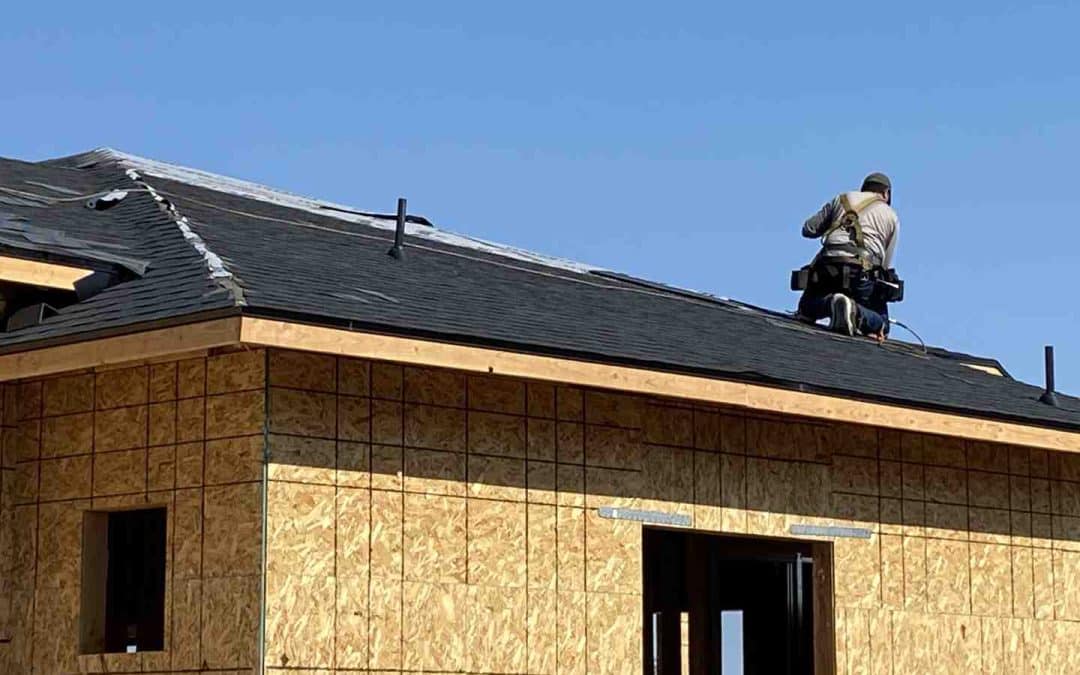
Why Understanding Roof Replacement Costs Matters for Utah Homeowners

The average cost to roof a home depends on several factors, with Utah homeowners investing anywhere from a few thousand dollars for repairs to much more for a full replacement. Here’s what drives that number:
Key Cost Factors at a Glance:
- Materials – Asphalt shingles cost less than metal or specialty materials.
- Roof size – Measured in “squares” (100 sq ft sections).
- Labor – Typically accounts for 40-60% of total cost.
- Roof complexity – Steep pitches and features like skylights increase costs.
- Additional work – Tear-off, structural repairs, permits, and disposal fees.
If you’re a Utah homeowner noticing water stains or curling shingles, you’re likely wondering about the cost of a new roof. It’s one of the biggest investments you’ll make, and the price can feel overwhelming.
However, national averages are often misleading. Your actual cost depends on your home’s unique traits, the materials you choose, and project timing. Understanding these factors helps you budget wisely and avoid surprises.
With the right information, you can make smart decisions that protect your home and wallet. Whether you’re dealing with hail damage from Utah’s weather or an aging roof, knowing what goes into an estimate puts you in control. This guide breaks down everything affecting your final bill, helping you manage costs without sacrificing quality. For a detailed breakdown of proposals, check out What to Expect From a Roofing Estimate.
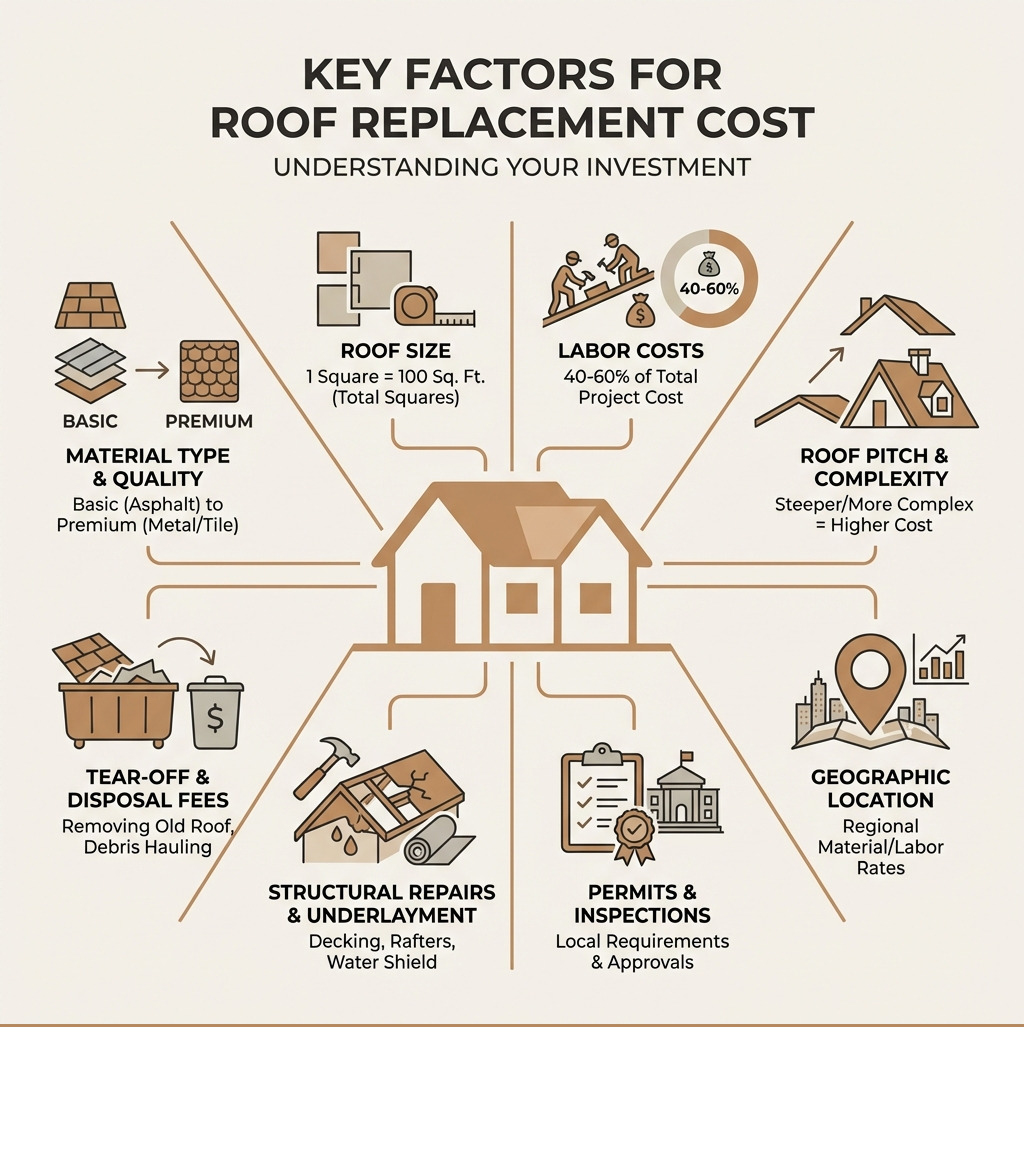
Key Factors That Determine Your Final Roofing Bill
This section breaks down the primary elements that influence the total cost of a new roof, from the materials you choose to the unique characteristics of your home.
Roofing Materials: Balancing Cost, Durability, and Style
The material you choose is the biggest variable in the average cost to roof a home. Different materials offer varying lifespans, durability, and energy efficiency, so choosing the right one for Utah’s harsh seasons is crucial.
- Asphalt Shingles: The most common and affordable option, asphalt shingles offer a great balance of cost and performance.
- 3-Tab Shingles are the most economical, costing roughly $3.20 to $7.75 per square foot installed and lasting 15-30 years.
- Architectural Shingles provide a dimensional look and better durability for a bit more, from $3.75 to $10.00 per square foot, and last 30-35 years. Many homeowners find them to be an excellent value.
- For a standard 1,700-square-foot home, an asphalt shingle roof can cost from $5,840 to $10,100.
- Metal Roofing: While a higher upfront investment, metal roofs are attractive for their 50-75+ year lifespan and energy efficiency. Costs range from $5 to over $23 per square foot, depending on the metal type and complexity. A full metal roof can cost anywhere from $7,500 to $40,000. Metal roofs can also lead to significant home energy efficiency that starts with your roof. Learn more about the pros and cons of metal roofing for your home.
- Wood Shakes/Shingles: Offering a rustic look, wood shakes cost between $6.00 and $9.15 per square foot and last 20-25 years, but they require more maintenance.
- Slate Roofing: A premium, luxury material with a 125-200 year lifespan, slate is the most expensive option, ranging from $10 to $30 per square foot. Its heavy weight may also require costly structural reinforcement.
Understanding these material differences is the first step in estimating your roof replacement.
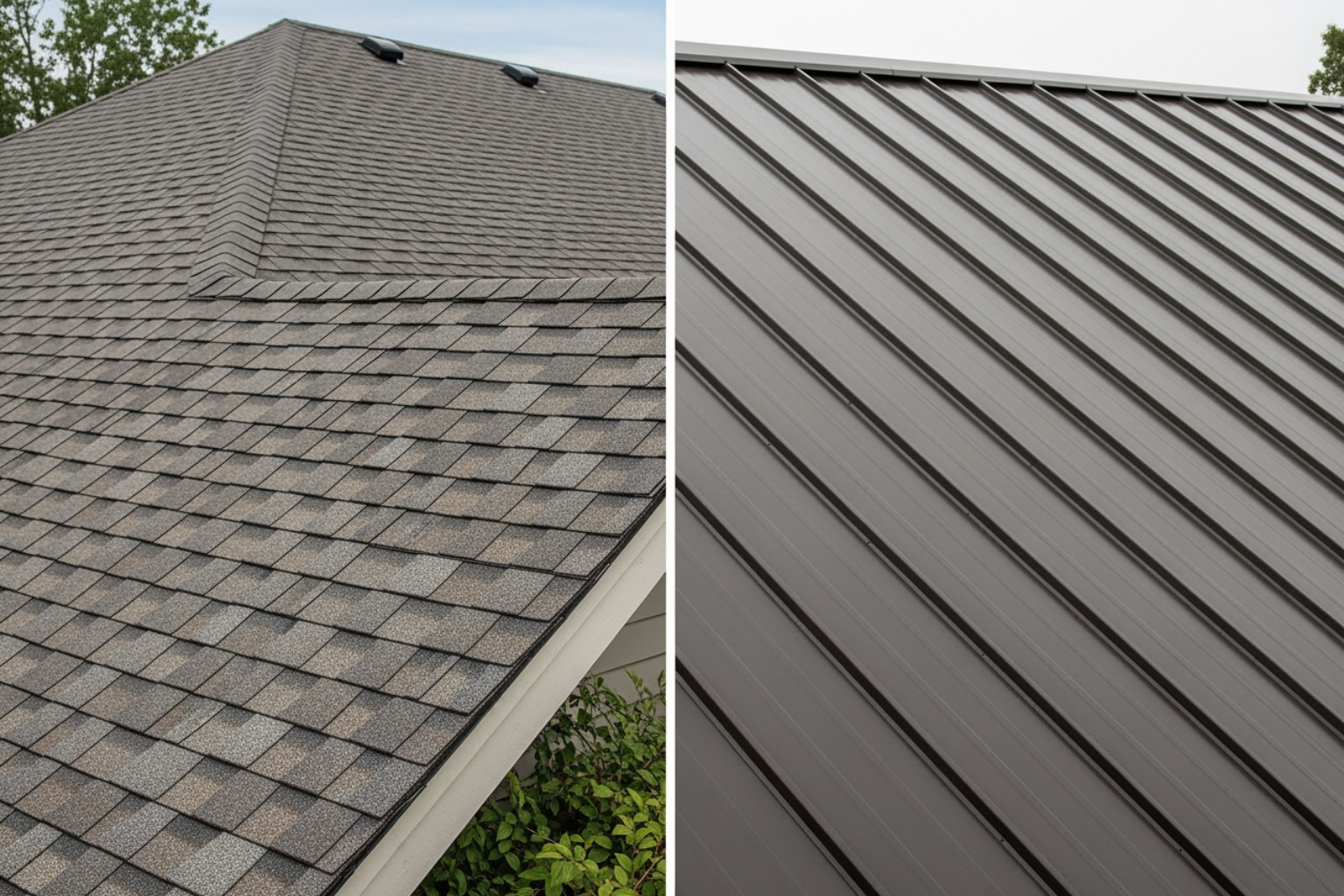
Labor: The Price of Professional Installation
Labor is the next major component of the average cost to roof a home, typically accounting for around 60% of the total. This reflects the skill and experience required for a proper, lasting installation.
At Heaton Bros. Roofing, we know quality labor is an investment in your home’s future. Our rates (around $130/hr for professional roofers and $35/hr for general laborers) cover the expertise needed to ensure your roof is installed to code and can withstand Utah’s demanding climate.
Factors that increase labor costs include:
- Roof Complexity: Multiple valleys, hips, dormers, or skylights increase time and intricacy.
- Steepness and Height: Steep or multi-story roofs require additional safety measures and specialized equipment, slowing down the work.
- Accessibility: Difficult roof access increases the time needed for material delivery and debris removal.
Choosing a reputable, experienced local roofer is paramount. A proper installation protects your home, ensures roofing warranties are valid, and saves you money in the long run. As we always say, why professional roof installation saves you money in the long run is simple: doing it right the first time avoids doing it twice.
Your Home’s Unique Blueprint: Size, Pitch, and Complexity
Your roof’s unique blueprint—its size, shape, and slope—significantly impacts the final cost.
- Roof Size: The larger your roof, the more materials and labor are needed. Roofs are measured in “squares,” where one square equals 100 square feet. A 2,000-square-foot roof might cost anywhere from $9,858 to $41,822, depending on the material.
- Roof Pitch (Steepness): A steep roof pitch is more challenging to work on, requiring extra safety equipment and labor, which can add $1,000 to $3,000 to the cost. A pitch of 9 inches or more per 12 inches is considered exceptionally steep.
- Roof Complexity: Features like skylights, chimneys, vents, and dormers add complexity, as they require precise flashing and sealing to prevent leaks. More valleys and hips on your roof also mean more intricate work.
- Accessibility: A multi-story home or one on a steep hillside is harder to access, requiring more time and safety precautions, which increases labor costs.
All these elements add up, making a simple, low-pitch roof significantly less expensive to replace than a complex, steep one.

Beyond the Basics: Uncovering Additional Roof Replacement Costs
A new roof involves more than just shingles and labor. Here are other potential expenses to be aware of when budgeting for your project.
Demolition and Disposal
Removing the old roof, or roof tear off, is a necessary but often overlooked part of the average cost to roof a home. The cost to remove and dispose of old materials typically falls between $0.40 and $2.00 per square foot ($665 to $3,343 total), depending on the material type and number of layers.
In Utah, code allows a maximum of two shingle layers. If your roof has two layers, a complete tear-off is mandatory. While an “overlay” (installing new shingles over old) might seem cheaper, we advise against it. It prevents inspection of the roof deck for damage and can void warranties—a classic “penny wise, pound foolish” mistake.
Permits, Inspections, and Structural Repairs
Permits and inspections are required to ensure safety and code compliance, adding to the average cost to roof a home.
- Building Permits: A permit is required for roof replacement in Utah. In the Greater Salt Lake area, this permit is obtained from the Greater Salt Lake Municipal Services District. Costs can range from $100 to $1,400. We handle this process for our clients.
- Inspections: City inspections may occur during or after the project. Post-replacement inspections offer peace of mind, and the benefits of regular roof inspections include catching potential issues early.
- Structural Repairs: Removing the old roof can reveal hidden damage. Replacing rotted or damaged roof decking can cost an additional $2.20 to $3.00 per square foot.
- Other Components: A new waterproofing underlayment ($1.50 to $2.10 per sq. ft.) is crucial. Replacing metal flashing around chimneys and in valleys costs about $9 to $11 per linear foot. Other items like pipe boots or fascia repairs can also add to the bill.
These costs are essential for a safe, durable, and code-compliant roof.
The Role of Homeowner’s Insurance
Homeowner’s insurance may cover the average cost to roof a home, but it depends on the cause of the damage.
- Covered Damage: Policies typically cover damage from sudden events like wind, hailstorms, or fallen trees. If your roof has significant hail damage, your policy may cover replacement costs, minus your deductible.
- Wear and Tear: Insurance generally does not cover replacement due to old age, lack of maintenance, mold, or pests.
- Deductibles: You are always responsible for your deductible. Some policies have higher, percentage-based deductibles for specific events like wind or hail.
- The Claims Process: If you suspect covered damage, document it with photos and contact your insurer promptly. We can help guide you through the process. Understanding hail damage and how to navigate insurance claims is a valuable first step.
Always review your policy with your agent to understand your coverage.
Repair or Replace? Making the Most Cost-Effective Decision
Deciding between a simple repair and a full replacement is a critical financial choice. Understanding the signs of roof distress can help you make the right call.
Telltale Signs Your Roof Needs Attention
Your roof often gives clues when it’s struggling. Knowing these signs can help you address issues before they become major problems, potentially saving you from the higher average cost to roof a home.
Look for these signs:
- Curling or Cracked Shingles: Shingles curling at the edges or showing cracks indicate they are deteriorating.
- Missing Granules: Finding excessive granules in your gutters means your shingles are losing their protective layer.
- Missing Shingles: Obvious gaps where shingles have blown off are clear signs of damage.
- Water Leaks or Stains: Water spots on ceilings or walls mean your roof’s integrity is compromised.
- Moss or Algae Growth: This can trap moisture and accelerate shingle deterioration.
- Sagging Roof Deck: A visible sag in your roofline can indicate serious structural issues.
- Roof Age: An asphalt shingle roof over 20 years old is likely nearing the end of its lifespan.
For more insights, see local roofer insights: how to spot early signs of roof damage and top 5 signs your utah roof needs a roof inspection.
When a Roof Repair Is Enough
Not every problem demands a full replacement. A targeted roof repair is often the most cost-effective solution if your roof is relatively young and the damage is contained.
A repair may be sufficient for:
- Localized Damage: A few missing shingles or minor damage in one small area.
- Minor Leaks: A small, isolated leak that can be easily traced and patched.
- Younger Roof: If your roof is well within its expected lifespan (e.g., under 15 years old for asphalt shingles), a repair can extend its life.
- Cost-Effective: The average roof repair in Utah costs between $379 and $1,763, far less than a full replacement.
If a repair can effectively solve your problem, that’s what we’ll recommend. Learn more about roof repair made easy: how a local roofer ensures long-lasting results.
Knowing When It’s Time for a Full Roof Replacement 101: Is Your Home Ready for an Upgrade?
Sometimes, a full roof replacement 101: is your home ready for an upgrade? is the smarter, more economical long-term choice, especially when the average cost to roof a home is viewed as a long-term investment.
Consider a full replacement when:
- Widespread Damage: When damage is extensive across multiple slopes, repairs become a temporary, patchwork solution.
- End of Lifespan: If your asphalt roof is over 20-30 years old, it’s time to replace it, as even minor issues can signal systemic failure.
- Structural Issues: Significant sagging, widespread rot in the decking, or persistent leaks demand a replacement to ensure safety.
- Multiple Layers: If your roof already has two layers of shingles, a full tear-off and replacement is required by code.
- Long-Term Investment: A new roof provides peace of mind, improved curb appeal, and better energy efficiency, protecting your home’s value.
We can help you weigh the pros and cons, as discussed in roof replacement vs. repair: how to decide.
Smart Strategies to Manage the Average Cost to Roof a Home
While a new roof is a significant expense, there are ways to manage the cost without compromising on the quality and safety of your home.
How to Save on Your New Roof Without Sacrificing Quality
We understand that the average cost to roof a home can be daunting. Here are some smart strategies to save money without settling for subpar work:
- Get Multiple, Detailed Quotes: Obtain at least three detailed bids from reputable local roofers. Compare materials, scope of work, and warranties, not just the bottom line. Be wary of unusually low bids.
- Consider Off-Season Scheduling: Roofing is busiest in summer. Scheduling your replacement for late winter or early spring can sometimes lead to better pricing or faster completion.
- Choose Materials Wisely: If budget is a concern, high-quality architectural asphalt shingles offer excellent durability and appearance at a more affordable roofing price than metal or slate. See our top 5 affordable roofing options that don’t skimp on quality.
- Focus on Value, Not Just Price: The cheapest roof often costs more in the long run due to repairs and premature failure. Invest in a quality installation from a trusted contractor with solid warranties.
- Coordinate Projects: If you need other exterior work done, like gutter replacement, scheduling it around your roof replacement can sometimes lead to overall savings by coordinating trades.
By being an informed consumer, you can manage costs effectively without compromising your home’s protection.
Understanding Financing Options for Your Project
A new roof is a crucial investment, and sometimes the upfront average cost to roof a home requires financing. Here are some common options:
- Home Equity Line of Credit (HELOC): If you have equity in your home, a HELOC can be a good option. It’s a secured loan that often has a lower interest rate.
- Contractor Financing Plans: Many reputable roofing companies, including ours, offer flexible financing options to help spread the cost over time.
- Personal Loans: Unsecured personal loans are another option, though they may have higher interest rates than secured loans like a HELOC.
- Home Improvement Loans: These are specialized loans designed for renovation projects, which may offer competitive rates.
When considering financing, always compare interest rates, terms, and any associated fees. We can discuss our available financing plans during your consultation.
Frequently Asked Questions About the Average Cost to Roof a Home
What is the most affordable, quality roofing material?
For most Utah homeowners, architectural asphalt shingles offer the best balance of cost, durability, and appearance. They provide a longer lifespan and better performance than basic 3-tab shingles for a modest price increase, making them a great value. For more, see our guide on affordable roofing without compromising quality.
How long does a roof replacement take?
The on-site installation for a typical home often takes just one to three days, weather permitting. However, the entire process—from consultation and permitting to final inspection—can take a few weeks. Complex projects will take longer. Learn more in our guide to understanding the roof installation process: what to expect.
Does a new roof increase home value?
Yes. A new roof significantly increases home value by improving curb appeal, ensuring protection from the elements, and offering peace of mind to potential buyers. While ROI varies (the 2024 Journal of Light Construction Cost Vs. Value report notes about 59% for asphalt shingles), it’s a critical selling point and a wise investment in your home’s health and marketability. Read more about the cost benefits of a roof replacement for Utah homeowners.
Conclusion: Protecting Your Investment with a Quality Roof
Understanding the average cost to roof a home in Utah means considering materials, labor, permits, and your home’s unique design. A new roof is a significant but crucial investment in your home’s protection, value, and energy efficiency, safeguarding your property for decades to come.
Here at Heaton Bros. Roofing, we’ve been helping Utah homeowners protect their investments for over 65 years across four generations. As a family-owned and operated business, we pride ourselves on quality workmanship, transparent pricing, and unwavering reliability. We understand the specific challenges of roofing in Salt Lake City, the Wasatch Front, and all our service areas.
When it’s time to consider a roof repair or replacement, don’t get soaked by unexpected costs. Partner with a trusted roofing company that puts your home first. We’re here to provide an honest assessment, a detailed estimate, and a roof that will stand the test of time. After all, why a new roof is the most important investment for your home is clear: it’s the shield that keeps your castle safe.
Ready to discuss your roofing needs? Learn more about our residential roofing services and let us help you protect your home.