
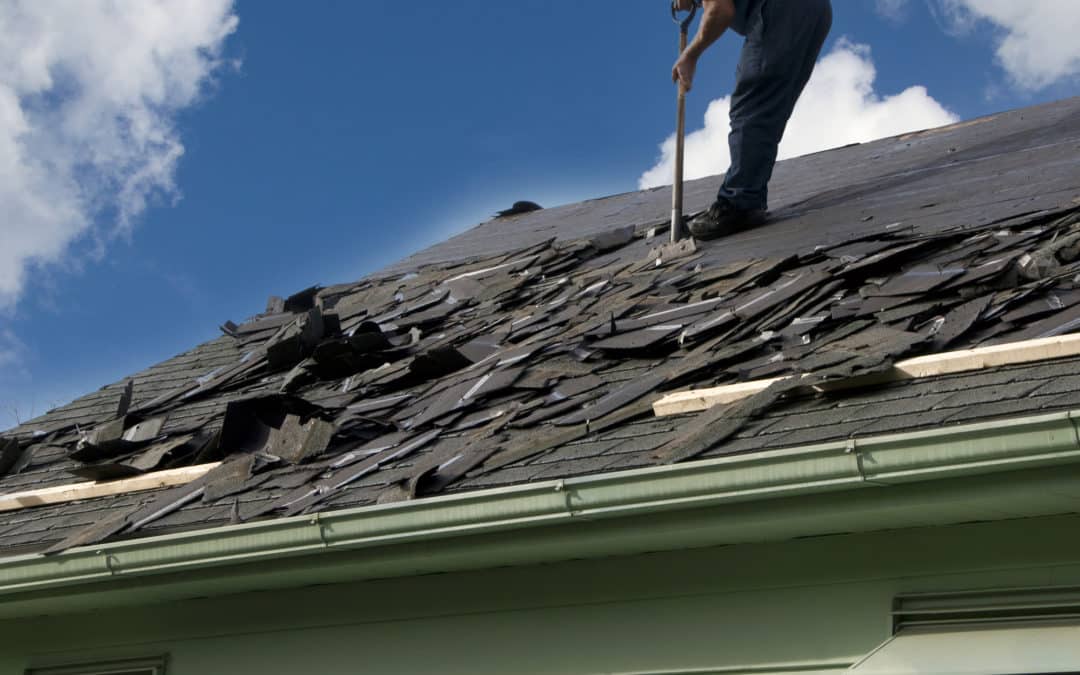
Your roof endures some of the harshest conditions Utah can dish out. From scorching summer heat that can reach over 100 degrees to heavy winter snow loads and sudden spring hailstorms, Utah’s extreme weather puts constant stress on roofing materials. Without proper care, even the highest-quality roof will deteriorate faster than it should, leading to costly repairs or premature replacement.
The good news is that regular roof maintenance can significantly extend your roof’s lifespan while preventing expensive emergency repairs. By taking proactive steps to care for your roof, you can protect your home and your investment for decades to come.
Schedule Regular Professional Inspections
Most homeowners only think about their roof when something goes wrong, but this reactive approach often leads to bigger problems. Professional roof inspections should happen at least twice a year, ideally in spring and fall. These inspections allow trained professionals to spot potential issues before they become major headaches.
During an inspection, professionals examine shingles for damage, check flashing around chimneys and vents, assess gutters and drainage systems, and look for signs of wear or weathering. They can identify loose or missing shingles, damaged flashing, or areas where water might penetrate. Early detection of these issues means repairs can be completed quickly and affordably, rather than waiting until water damage affects your home’s interior.
Utah’s weather patterns make professional inspections especially important. The state’s frequent temperature fluctuations cause roofing materials to expand and contract repeatedly, which can loosen fasteners and create gaps. Heavy snow loads in winter can stress the roof structure, while intense UV exposure during summer months can accelerate shingle deterioration.
Keep Gutters and Drainage Systems Clear
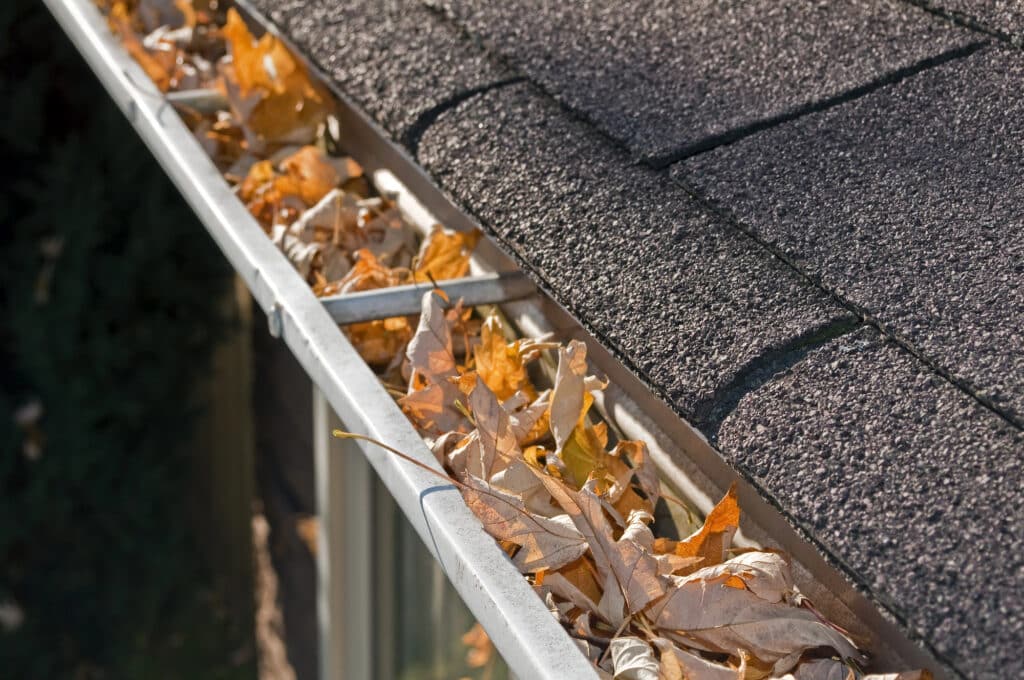
Proper water management is crucial for roof maintenance, and your gutters play a vital role in this process. When gutters become clogged with leaves, debris, or ice, water can back up onto your roof, causing damage to shingles and potentially leading to leaks.
Clean gutters at least twice per year, and more frequently if you have many trees around your property. During cleaning, also inspect downspouts to ensure water flows freely away from your home’s foundation. Look for signs of gutter damage such as cracks, loose brackets, or sections that have pulled away from the house.
Utah’s autumn season brings falling leaves that can quickly fill gutters, while spring runoff from melting snow can overwhelm clogged drainage systems. Keeping these systems clear ensures that water moves efficiently off your roof and away from your home, preventing the moisture problems that lead to costly repairs.
Address Small Problems Immediately
When you notice loose shingles, small leaks, or damaged flashing, address these issues right away. What seems like a minor problem can quickly escalate into major damage if left untreated. Water infiltration is particularly destructive because it can damage not only your roof but also your home’s structure, insulation, and interior spaces.
Small repairs are typically quick and affordable, especially when compared to the cost of replacing damaged roof decking, insulation, or interior materials. Even seemingly minor issues like a few loose shingles can allow wind-driven rain to penetrate your home during Utah’s severe thunderstorms.
Regular maintenance also includes checking the area around roof penetrations such as vents, chimneys, and skylights. These areas are common sources of leaks because the flashing that seals these penetrations can deteriorate over time or become loose due to temperature changes.
Trim Overhanging Tree Branches

Trees provide valuable shade that can help protect your roof from UV damage, but overhanging branches pose several risks. During storms, branches can break and fall onto your roof, causing immediate damage to shingles or even the roof structure. Even without storms, branches that rub against shingles during windy conditions can gradually wear away the protective granules.
Keep tree branches trimmed so they don’t touch your roof or hang directly over it. This also reduces the amount of debris that falls onto your roof and into your gutters. Additionally, trimmed branches allow better air circulation around your roof, which helps prevent moisture buildup and reduces the likelihood of ice dam formation during winter months.
Work with Experienced Local Professionals
Utah’s unique climate demands expertise from roofing professionals who understand local conditions. Temperature extremes, sudden weather changes, and specific regional challenges require knowledge that comes from years of experience working in the area.
When you need roof maintenance or repairs, choose professionals who are familiar with Utah’s building codes, weather patterns, and the roofing materials that perform best in local conditions. Experienced contractors can provide guidance on maintenance schedules, help prioritize repairs, and recommend solutions that will stand up to Utah’s challenging climate.
Heaton Bros. Roofing brings decades of experience serving Utah homeowners and understands the specific maintenance needs that local roofs require. Their expertise in Utah’s unique roofing challenges can help ensure your roof receives the care it needs to provide years of reliable protection. Reach out today by calling (385) 217-8547.