
Why Corrugated Metal is Making a Comeback
A residential corrugated metal roof features distinctive wavy metal panels attached with exposed fasteners. Here’s what makes them popular:
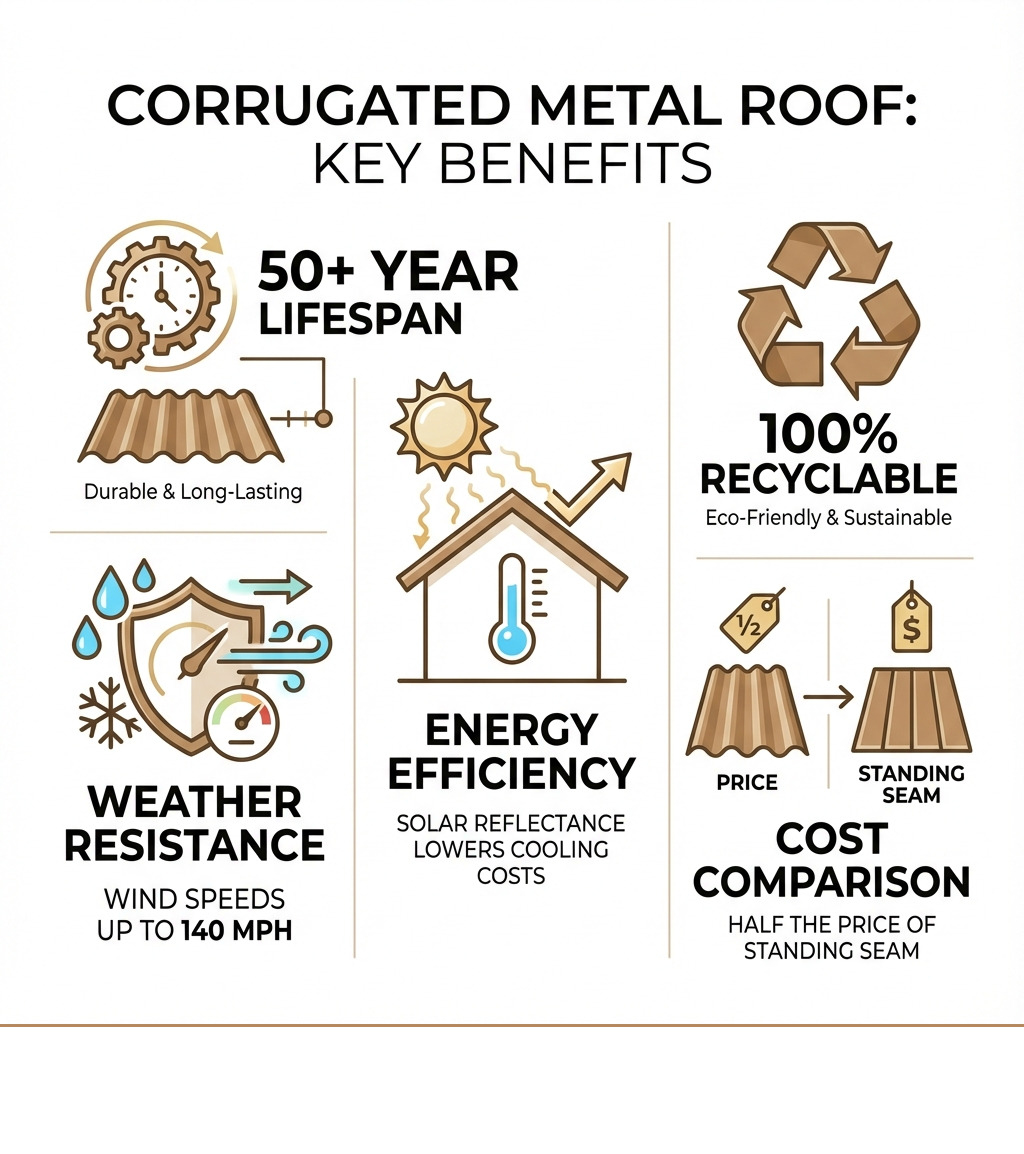
- Durability: Lasts 50+ years with minimal maintenance
- Affordability: Half the cost of standing seam metal roofing
- Versatility: Works with modern farmhouse, industrial, and contemporary styles
- Weather Resistance: Withstands high winds, hail, and snow
- Energy Efficiency: Reflects heat to lower cooling costs
- Eco-Friendly: 100% recyclable and often made from recycled materials
Corrugated metal roofing is experiencing a major resurgence in residential applications, and for good reason. This isn’t your grandfather’s barn roof anymore. Today’s corrugated metal roofs blend old-school durability with modern aesthetics and performance features that make them ideal for Utah homes. The signature wavy pattern adds structural strength, helping panels resist weather damage.
Appealing to homeowners who want an alternative to asphalt shingles, these roofs complement popular design styles like modern farmhouse and industrial while offering practical, budget-friendly benefits.
The exposed fastener design makes installation easier and more affordable than concealed systems. The result is a roof that can last over 50 years, resists fire and pests, and sheds snow efficiently—all at a lower cost than many premium roofing options.
Whether you’re drawn to the rustic charm of weathered finishes or prefer a sleek contemporary look in white or charcoal, corrugated metal roofing offers options that work with your home’s style while protecting your investment for decades.
The Best Benefits of Corrugated Metal Roofing
When it comes to choosing a roof for your home, especially in Utah’s diverse climate, the primary benefits of a residential corrugated metal roof are hard to ignore. We often recommend them to homeowners seeking a blend of performance, longevity, and style.
The durability is remarkable. Corrugated metal roofs can last over 50 years, far outperforming asphalt shingles that need replacing every 15-20 years. This longevity saves homeowners time and money on future replacements.
Weather resistance is a major plus for Utah’s varied seasons. These roofs withstand wind gusts up to 140 mph and often carry a Class 4 rating for hail resistance. The smooth surface also efficiently sheds snow, preventing heavy build-up and ice dams.
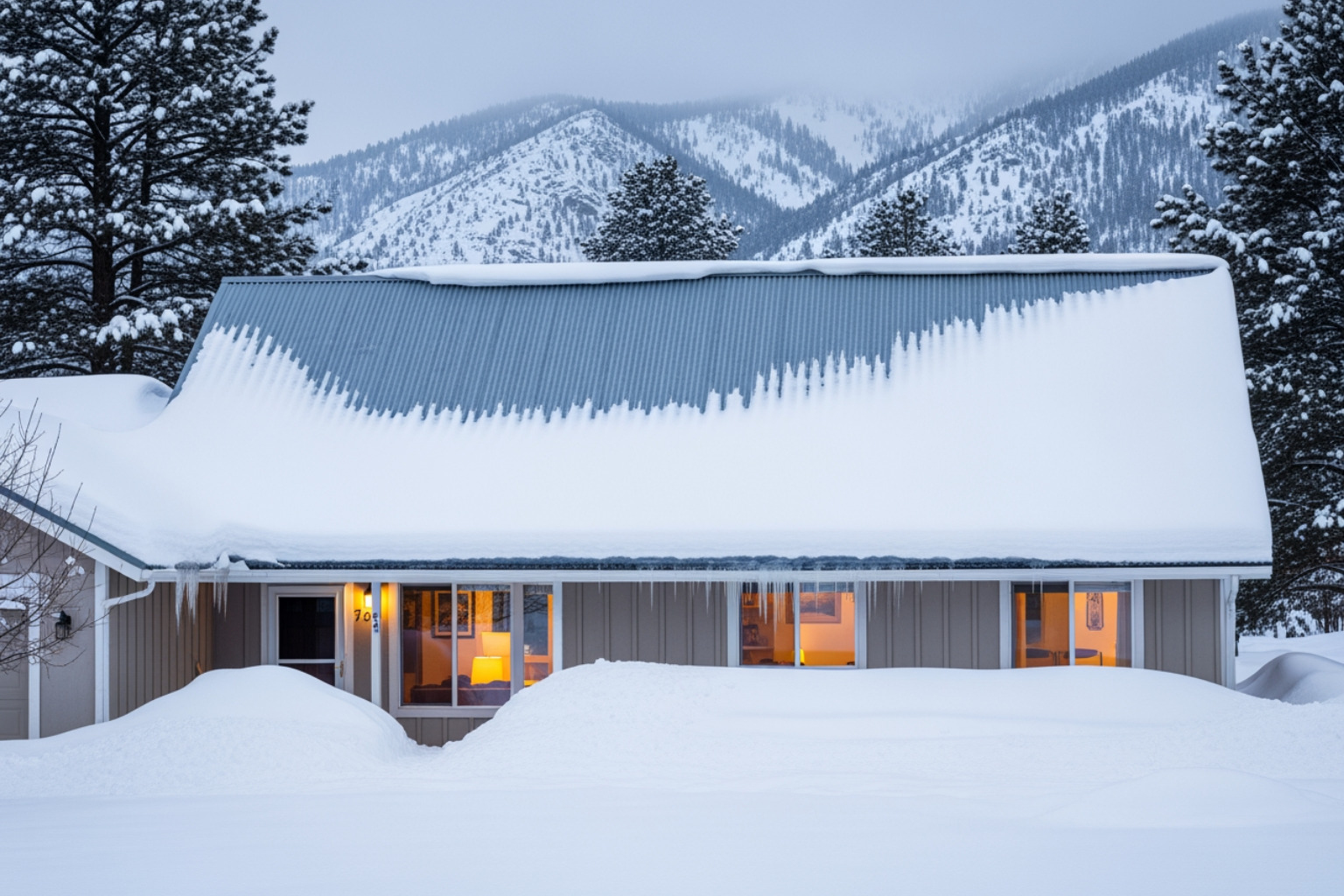
As a critical safety benefit, metal roofs are non-combustible and earn a Class A fire rating, which can lower homeowner’s insurance. They are also naturally resistant to rot and insects.
Beyond their robust nature, residential corrugated metal roofs are also champions of energy efficiency. Many earn an Energy Star rating by reflecting solar heat, which keeps homes cooler and reduces air conditioning costs. This “cool roof” technology leads to noticeable energy savings and contributes to your Home Energy Efficiency.
Finally, metal roofing is incredibly eco-friendly. Panels often contain recycled content and are 100% recyclable at the end of their long life, making them a great choice for Eco-Friendly Roofing Options for a Sustainable Home. Their lighter weight also puts less stress on a home’s structure.
Corrugated vs. Standing Seam: A Quick Comparison
When exploring metal roofing, you’ll often hear about two main types: corrugated and standing seam. While both offer excellent benefits, they have distinct characteristics that might make one a better fit for your home. We’ve seen many homeowners in Salt Lake City, Utah, weigh these options, and we’re here to help you How to Compare Different Roofing Options.
The primary difference is the fastening system. Corrugated roofs use exposed fasteners—visible screws that attach panels to the roof deck. This design makes them more affordable and easier to install.
Standing seam roofs use concealed fasteners, where panels interlock to hide the hardware. This creates a sleek, modern look with clean, continuous lines.
From a cost perspective, corrugated roofs are more affordable, often half the cost of standing seam. However, the concealed fasteners of standing seam roofs provide superior weather tightness and may come with longer warranties against leaks, as there are no exposed penetration points.
Corrugated roofs are simpler and faster to install. Standing seam requires specialized tools and expertise to form the seams correctly, adding to labor costs. You can learn more in this video: Corrugated Metal Roof vs. Standing Seam Roof.
The choice depends on budget, aesthetics, and performance goals. Both are excellent options, and understanding these differences will help you find the perfect fit for your Utah home.
Finding Your Perfect Match: Materials and Aesthetics
Choosing a residential corrugated metal roof for your Utah home isn’t just about durability; it’s also about finding the perfect aesthetic match. The beauty of corrugated metal lies in its versatility, offering a range of materials, colors, and finishes that can transform your home’s curb appeal. We love helping our clients in areas like Provo and Sandy find a look that truly reflects their style and improves their property. For inspiration, check out some Stylish Roofs in our gallery.
Choosing the Right Material for Your Residential Corrugated Metal Roof
The material you choose for your residential corrugated metal roof determines its longevity and performance. Here are the most common options for Utah homes:
- Galvanized Steel: Strong, affordable steel coated with zinc for rust protection.
- Galvalume: A popular choice for Utah, this is steel coated with a zinc-aluminum alloy for superior corrosion resistance compared to galvanized steel.
- Aluminum: Lightweight and completely rust-proof, aluminum offers exceptional durability at a higher price point than steel.
- Copper: A premium option, copper is incredibly durable and develops a beautiful, unique green patina over time. It’s a significant investment that can last a century.
- Zinc: Another premium material, zinc is extremely long-lasting and has self-healing properties for minor scratches. It develops a patina and is very eco-friendly.
Each of these Metal Roof Materials offers a unique set of pros and cons, which we’ve summarized in the table below to help you make an informed decision for your home.
| Material | Pros | Cons | Cost (Relative) | Best Use Cases |
|---|---|---|---|---|
| Galvanized Steel | Strong, durable, affordable, good rust resistance. | Zinc coating can wear over time, less rust-resistant than Galvalume. | Low-Mid | Budget-conscious, general residential. |
| Galvalume | Excellent corrosion resistance, strong, durable, good value. | Can be prone to “oil canning” (slight waviness) in flat areas. | Mid | All-around excellent choice for Utah homes. |
| Aluminum | Lightweight, completely rust-proof, good for coastal areas, durable. | More expensive than steel, can dent more easily than steel. | Mid-High | High humidity, specific aesthetic needs. |
| Copper | Extremely long lifespan (100+ years), develops beautiful patina, premium aesthetic. | Very high upfront cost, can be noisy in rain, soft (dents easily). | Very High | Luxury homes, historic renovations, unique architectural statements. |
| Zinc | Very long lifespan (80-100 years), self-healing properties, unique aesthetic. | High upfront cost, can be noisy in rain, limited color options. | Very High | Modern/contemporary designs, eco-conscious homes. |
Customizing Your Look: Colors and Finishes
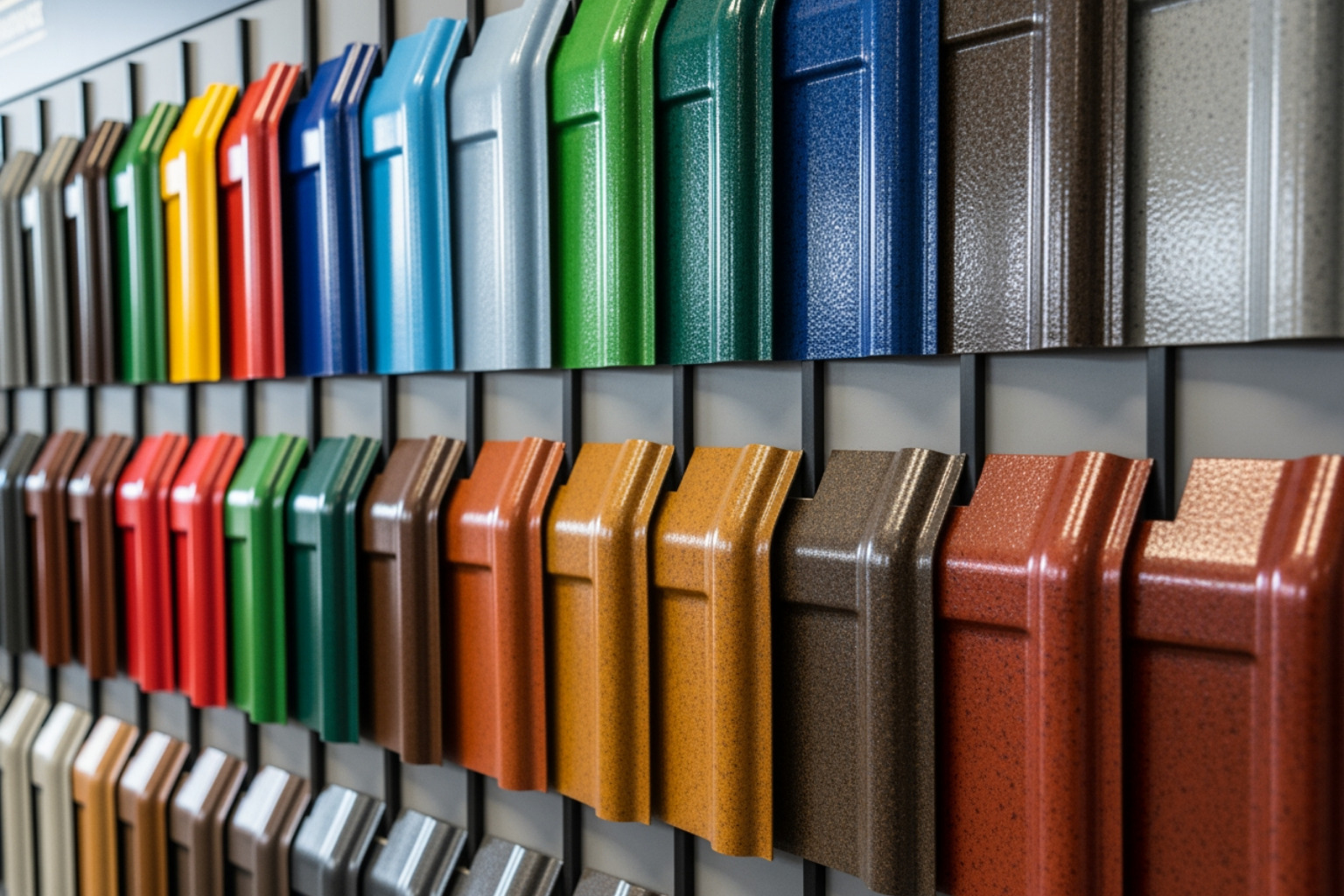
After choosing a material, the next step is selecting the perfect color and finish for your residential corrugated metal roof. This is where your roof becomes a statement piece that improves your home’s curb appeal. We’ve seen homes in Lehi and Draper transformed with just the right shade!
Popular color and finish options include:
- Classic Whites & Grays: Crisp whites offer maximum solar reflectivity for cooling, while shades like Charcoal Gray provide a sophisticated, modern look.
- Earthy Tones: Browns, greens, and terracotta hues blend well with natural landscapes for a rustic or traditional feel.
- Matte Black: A bold choice for modern and industrial farmhouse designs, providing a striking, contemporary edge.
- Weathered & Rusted Finishes: Specialized finishes can mimic the look of aged or rusted metal for a vintage or industrial aesthetic without structural compromise.
- Specialty Prints: Some manufacturers offer prints that add texture and unique designs, like patterns resembling wood grain.
The coating is also crucial for appearance and durability. High-performance PVDF coatings offer exceptional color retention and UV resistance, while SMP coatings provide a good balance of performance and affordability.
Many light-colored options are “Cool Roof” certified, reflecting solar energy to reduce cooling costs in Utah’s summers. It’s always best to view actual samples to see how they will impact your home’s aesthetic and contribute to a Stylish Modern Roofing design. You can even Order Literature, Product Samples from manufacturers.
The Practical Side of a Residential Corrugated Metal Roof
Beyond aesthetics and durability, homeowners in Utah often ask us about the practical considerations of a residential corrugated metal roof, namely cost and maintenance. While the initial investment might seem higher than traditional asphalt, the long-term value often makes it a smart financial decision. We’re committed to helping you find Affordable Roofing Without Compromising Quality.
Understanding the Costs and Long-Term Value
The cost of a residential corrugated metal roof is a significant factor. While more affordable than standing seam metal, it typically has a higher upfront cost than asphalt shingles. This initial investment is offset by substantial long-term savings and value.
In Salt Lake City, the installation of a new metal roof generally falls between $9,150 and $16,743, with an average expenditure of approximately $11,557. The cost per square (100 sq ft) for metal roofing can vary from $400 to $4,000, depending on the material and complexity. For example, aluminum roofing costs typically range from $6.50 to $21 per square foot installed, while copper can be $20 to $40 per square foot.
Several factors influence the overall cost:
- Roof Size and Complexity: Larger or more intricate roofs with multiple valleys, dormers, or chimneys will naturally cost more due to increased material and labor.
- Material Type: As discussed, steel (Galvalume) is generally more affordable, while aluminum, copper, or zinc increase the price.
- Roof Pitch and Height: Steeper pitches and higher roofs require more safety measures and specialized equipment, increasing labor costs.
- New Installation vs. Replacement: If we’re replacing an existing roof, there will be additional costs for removing and disposing of the old materials.
Despite the higher upfront cost, the long-term value of a residential corrugated metal roof is exceptional. A lifespan of 40 to 70 years means you’ll likely only need one roof, eliminating the cost of multiple asphalt replacements. Combined with energy savings and potential insurance discounts, the return on investment is substantial for Cost-Benefits of a Roof Replacement for Utah Homeowners.
Key Maintenance for Your Residential Corrugated Metal Roof
A key benefit of owning a residential corrugated metal roof is its minimal maintenance. While not entirely maintenance-free, the upkeep is simple and ensures your roof reaches its full 50+ year lifespan.
We recommend annual inspections to catch any potential issues early. This typically involves:
- Cleaning Debris: Periodically clear leaves, branches, and other debris from the roof surface, gutters, and downspouts. This prevents water from pooling and keeps drainage systems clear.
- Checking Fasteners: Since corrugated roofs use exposed fasteners, it’s wise to occasionally check that all screws are snug and that their rubber gaskets are intact. Over time, gaskets can degrade, or screws can loosen slightly. Replacing worn gaskets or tightening loose screws is a quick fix that prevents leaks.
- Gasket Integrity: These small rubber washers under the screw heads are crucial for watertight seals. If you notice any cracking or deterioration, they should be replaced.
- Scratch Repair: While metal roofs are tough, deep scratches that expose the bare metal can eventually lead to corrosion. Touch-up paint, specifically designed for your roof’s finish, can be applied to protect these areas. However, touch-up paint may not weather at the same rate as the original finish.
Following these steps extends your roof’s lifespan and prevents major problems. For more guidance, see our articles on Roof Maintenance: How to Extend the Lifespan of Your Roof and The Benefits of Regular Roof Inspections and Maintenance.
Addressing Common Concerns: Noise and Dents
Homeowners sometimes have concerns about noise and potential denting with residential corrugated metal roofs. Let’s address them head-on.
Noise Level: While rain can be more pronounced on metal, modern installation significantly mitigates this. A solid roof deck, quality underlayment, and proper Attic Insulation provide a sound barrier, making noise a non-issue for most homeowners.
Dent Resistance: Denting from hail is a valid concern in Utah. Resistance depends on the metal’s gauge (thickness). Thicker gauges are more impact-resistant, and many corrugated roofs earn a Class 4 impact rating, withstanding significant hail without structural damage. While large hail might cause cosmetic dents, the roof’s integrity remains intact. We can help you select the right gauge to maximize dent resistance for your area.
Installation, Codes, and Accessories
Installing a residential corrugated metal roof is a specialized job that requires precision and expertise. Avoiding common mistakes is crucial for a long-lasting, watertight roof, which is Why Professional Roof Installation Saves You Money in the Long Run.
The Installation Process and Mistakes to Avoid
The installation process for a residential corrugated metal roof typically involves:
- Roof Deck Preparation: Ensuring a clean, smooth, and structurally sound roof deck is paramount. Any existing damage must be repaired.
- Underlayment: A high-quality synthetic underlayment is installed over the entire roof deck, providing an additional layer of protection against moisture.
- Panel Placement and Overlap: Corrugated panels are laid in sequence, with proper overlap (typically one or two corrugations) and bead mastic for a watertight seal.
- Fastener Placement: Screws with neoprene washers are driven through the flat part of the corrugation into the purlins or roof deck.
- Trims and Flashings: Proper trim pieces and flashings are installed to seal all edges and penetrations, preventing water intrusion.
Common installation mistakes that we carefully avoid include:
- Inaccurate Measurements: Poor cuts lead to gaps, leaks, and wasted material.
- Ignoring Manufacturer Instructions: Deviating from installation guidelines can void warranties and compromise performance.
- Using Incorrect Fasteners: Using standard screws instead of specialized, self-sealing ones will lead to rust and leaks.
- Improper Panel Overlap: Incorrect overlap can cause leaks or an uneven appearance.
- Neglecting Roof Deck Preparation: Installing over a damaged deck can cause waviness or structural problems.
- Inadequate Sealing: Failing to properly seal overlaps and penetrations will cause leaks.
- Not Allowing for Thermal Expansion: Metal expands and contracts; installation must account for this movement to prevent warping and fastener issues.
- Overdriving or Underdriving Screws: Incorrect screw torque damages the washer’s seal, leading to leaks.
For a comprehensive guide, we often refer to detailed resources like this one: Installation Details. Understanding these steps and potential pitfalls is part of Understanding the Roof Installation Process: What to Expect.
Building Codes and Solar Panel Integration
Adhering to local building codes in Utah is paramount when installing a residential corrugated metal roof. General roofing codes apply, covering minimum pitch (typically 3:12), wind load resistance, and fire ratings. As a local Roofing Contractor, we are well-versed in all regional codes, including those for high-wind areas that require extreme weather resilience, similar to Notices of Acceptance Miami-Dade.
A fantastic benefit of metal roofs is their compatibility with solar panels. The durability and long lifespan of a metal roof make it an ideal foundation for a solar energy system.
Specialized mounting systems attach directly to the panel ribs, avoiding new penetrations and maintaining the roof’s watertight seal. The metal’s strength provides a secure anchor for the solar array, allowing you to enjoy a high-performance roof and clean energy for decades.
Frequently Asked Questions about Corrugated Metal Roofs
We often hear similar questions from homeowners considering a residential corrugated metal roof. Here are some of the most common ones we address:
How long does a corrugated metal roof last?
With proper installation and minimal maintenance, a quality residential corrugated metal roof can last 40 to 70 years. This is a significant improvement over asphalt shingles, which typically last 15 to 20 years. Longevity depends on the metal type, finish quality, and regular maintenance, making a new roof Why a New Roof is the Most Important Investment for Your Home.
What is the minimum pitch for a corrugated metal roof?
To shed water properly, a residential corrugated metal roof needs a sufficient slope. While the absolute minimum is sometimes cited as 2:12, most manufacturers recommend a pitch of at least 3:12 (a 3-inch rise for every 12 inches of horizontal run) for exposed fastener panels. Always check the manufacturer’s specifications, a key step in planning a Roof Replacement 101: Is Your Home Ready for an Upgrade?.
Does a corrugated metal roof rust?
While untreated steel can rust, modern residential corrugated metal roofs are designed to be highly rust-resistant. Materials are protected in several ways:
- Galvanized Steel: A zinc coating protects the steel from corrosion.
- Galvalume: A zinc-aluminum alloy coating offers superior, long-lasting rust resistance, making it a popular choice in Utah.
- Aluminum and Copper: These metals are naturally rust-proof.
- Corten Steel (Weathering Steel): This material is designed to form a stable, protective rust-like patina for a specific aesthetic.
Choosing the right material and finish is key to preventing rust, which helps Protect Your Home with These Roofing Maintenance Essentials.
Is a Corrugated Metal Roof the Right Choice for Your Utah Home?
It’s clear why residential corrugated metal roofs are making a comeback in Utah. They offer a compelling package of durability, longevity, energy efficiency, and aesthetic versatility for homeowners across the Salt Lake City and Wasatch Front areas.
Whether your home is a rustic farmhouse or a sleek modern design, there’s a corrugated option to match. Its robust nature is perfect for Utah’s climate, withstanding heavy snow, wind, and hail. The long-term value from minimal maintenance and an extended lifespan provides savings and peace of mind for decades.
At Heaton Bros. Roofing, we’ve been serving Utah homeowners for over 65 years across four generations. Our deep understanding of local conditions and commitment to quality means we can help you steer the choices and ensure your residential corrugated metal roof is installed to perfection. We believe in being your trusted local partner, and that’s Why Hiring a Local Roofer is the Best Choice.
If you’re ready to accept the blend of classic charm and modern performance that a residential corrugated metal roof offers, we’re here to help. Our team can provide a personalized consultation, discuss your material and aesthetic preferences, and ensure your new roof is a seamless, long-lasting addition to your home.
Don’t wait to upgrade your home with a roof that performs beautifully and looks stunning for decades. Explore your residential roofing options with our experts today, and let’s find your perfect match.