Identifying Brick Undertones and Architectural Style
For most homes, the best shingle color for a red brick house is charcoal gray: it gives the roof definition without fighting either warm orange-red brick or cooler burgundy brick. Slate gray is often the safest choice for cool, blue- or plum-cast brick; weathered wood and brown-gray blends work well with warm terracotta brick; and black can be effective on homes with substantial rooflines and dark trim.
The right choice is less about picking a universal “best” color and more about matching the roof’s granule blend to the brick, mortar, trim, and architecture. Start with the brick’s undertone, then compare full-size samples outside. For a practical starting point, see these five factors to consider when choosing a roof shingle color.
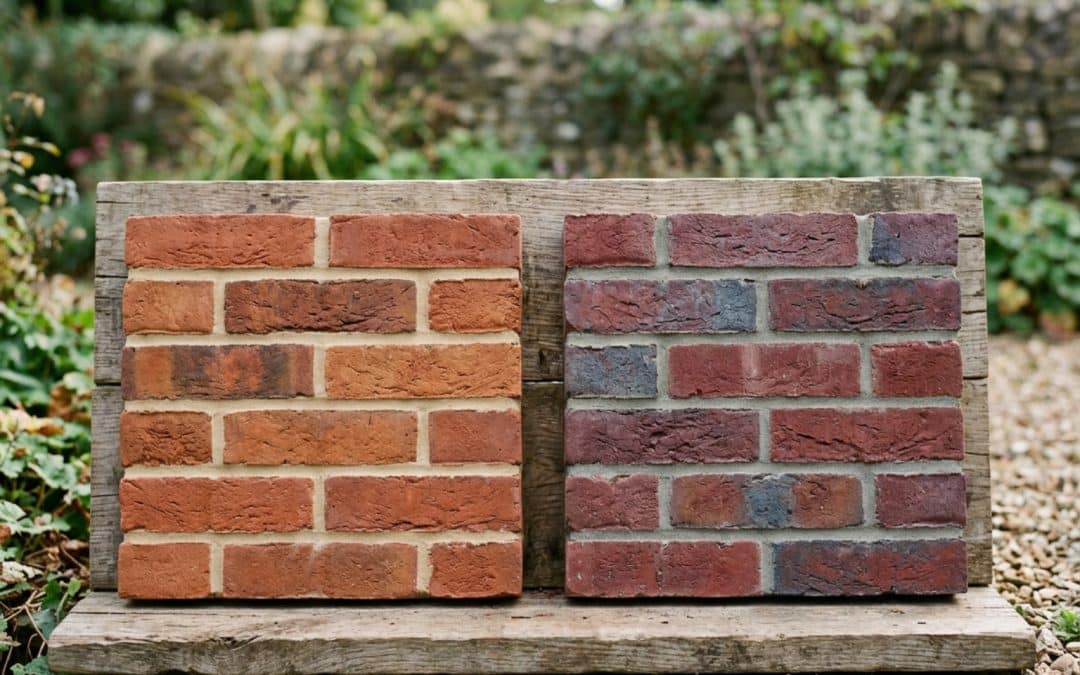
- Warm brick: Orange-red, terracotta, peach, and tan-flecked brick usually looks balanced with weathered wood, driftwood, warm gray, or brown-gray shingles.
- Cool brick: Burgundy, crimson, plum, and purple-brown brick generally pairs better with charcoal, slate, and restrained black-gray blends.
- Neutral or blended brick: Brick with brown, gray, buff, or dark mineral flecks is flexible. Pull a darker fleck from the masonry or a prominent mortar tone into the roof color.
Architectural style is the next filter. Weathered wood can add depth to Craftsman, ranch, and traditional homes. Charcoal and slate often suit Colonial, transitional, and contemporary exteriors. A very dark roof can sharpen a modern facade, but it may look visually heavy on a low-pitch, one-story home.
Evaluating the Best Shingle Color for Red Brick House Undertones
View the brick in open daylight, not only in shade, on a phone screen, or in an indoor showroom. Check the main brick faces, the darker fired edges, and the mortar together. Color shifts through the day, so inspect samples in morning sun, midday light, and late-afternoon shade.
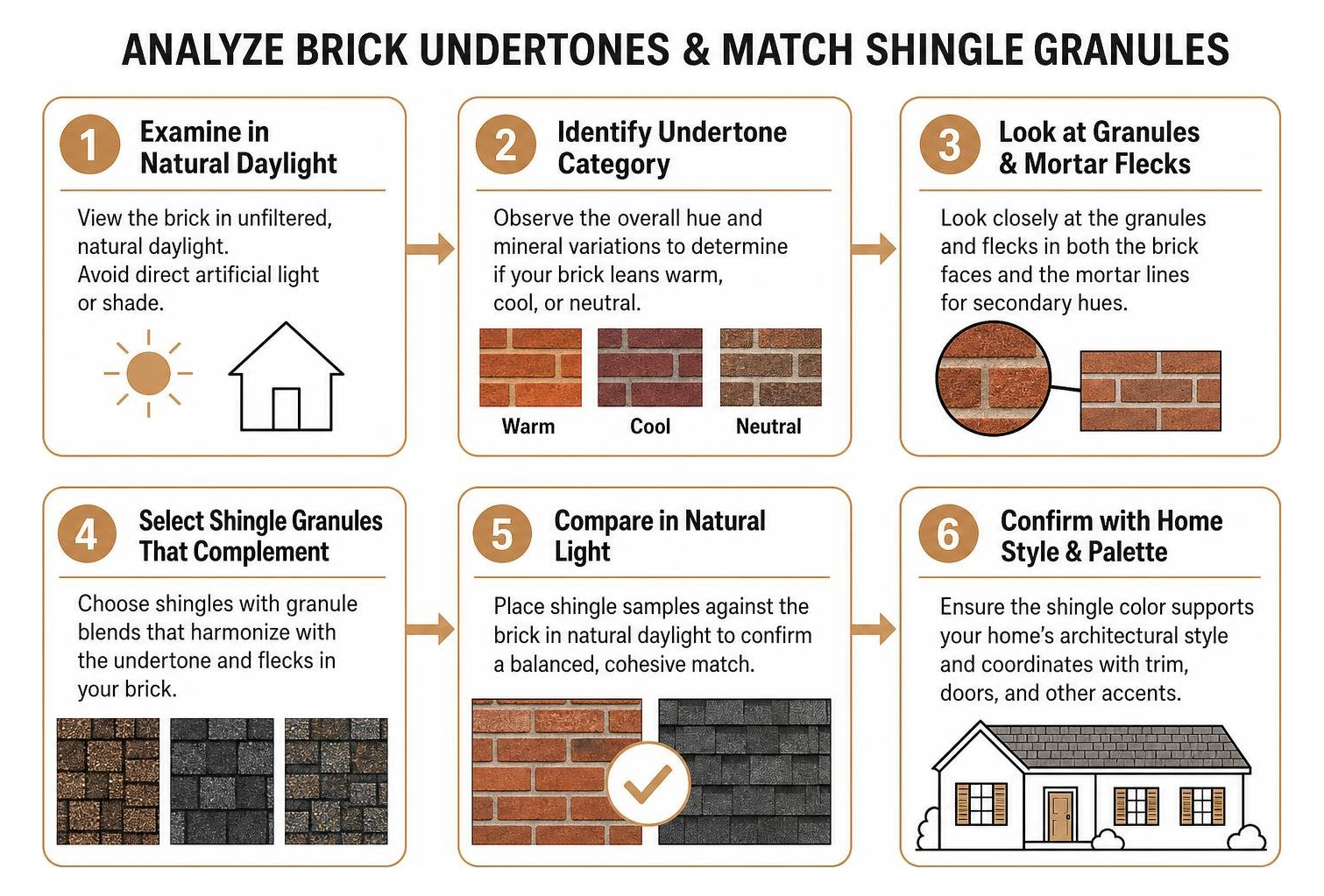
A shingle name can be misleading because asphalt shingles use mixed ceramic-coated granules. A product labeled gray may read blue-gray in bright light, while another charcoal blend may include warm brown or tan granules. Compare the actual product, not only its marketing photo. This guide to comparing roof shingle colors can help you narrow the options before requesting samples.
Coordinating Trim, Siding, and Accent Features
The roof should connect the entire exterior palette rather than match the brick alone. Consider fascia, gutters, window frames, shutters, the front door, stone accents, and any siding before deciding.
- White or cream trim: Slate, medium charcoal, and softened driftwood blends usually keep the contrast clean without making the roof dominate.
- Black, bronze, or charcoal accents: A deep charcoal or black-gray shingle can create a cohesive frame, particularly on taller homes or homes with strong roof geometry.
- Natural wood, olive, taupe, or bronze accents: Weathered wood, brown-gray, and warm slate blends often provide a more relaxed, layered appearance.
Manufacturer guidance also emphasizes evaluating the whole color scheme and the home’s architectural style rather than choosing from brick color alone. See Owens Corning’s red-brick roof-color guidance.
The Best Shingle Color for Red Brick House Palettes: Top Options Ranked
The best palette is one that gives the roof enough contrast to frame the home while repeating a subtle tone already present in the brick, mortar, or trim. The following options are dependable starting points for 2026 projects, but full-size outdoor samples should make the final decision.
| Shingle color family | Best with | Typical visual effect | Watch for |
|---|---|---|---|
| Charcoal gray | Most red brick, especially blended or neutral brick | Clean, grounded, versatile | Blue-heavy charcoal against very warm orange brick |
| Slate gray | Burgundy, crimson, and cool-red brick | Softer contrast with a classic feel | Light slate that makes a steep roof look pale |
| Black or black-gray | Deep red brick with black trim or strong rooflines | Crisp, modern definition | A heavy appearance on small or low-pitch homes |
| Weathered wood | Terracotta, orange-red, and tan-flecked brick | Warm, natural, textured | A blend that is too orange or too busy |
| Brown-gray or bronze | Warm brick, stone accents, and wood details | Rich, traditional coordination | Strong reddish-brown tones that compete with the brick |
Charcoal and Dark Gray Shingles
Charcoal gray is usually the most forgiving choice because it establishes contrast without looking as severe as solid black. It works especially well when the brick has both warm and cool variation or when the homeowner may repaint shutters and doors later.
Choose a charcoal blend with balanced black, gray, and subtle neutral flecks rather than an obviously blue cast. For more examples of this direction, review why charcoal gray shingles remain a popular choice and how estate gray works with brick exteriors.
Rich Black and Deep Slate
Black shingles can look excellent with dark window frames, black gutters, and a simple white-trim palette. They are most successful when the home has enough roof area, height, or angularity to carry a strong dark line.
For a more forgiving version of that look, consider deep slate or a black-gray blend. It maintains contrast but introduces enough granule variation to soften the roof from the street. Learn more about deciding whether a black roof is right for your home.
Weathered Wood and Earthy Browns
Warm red brick often benefits from weathered wood, brown-gray, or muted bronze blends. These shingles typically mix gray, taupe, and soft brown granules, which can bridge brick with cedar, stone, and bronze accents.
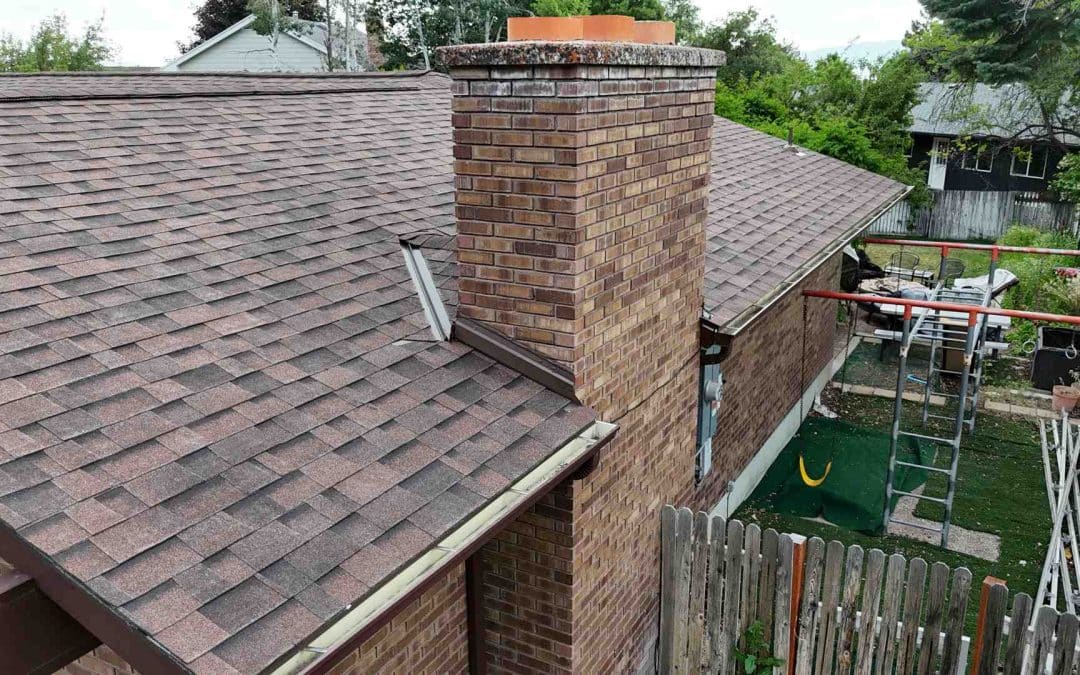
Avoid a bright orange-brown roof on orange-red brick; it can make the facade look overly uniform. A restrained, weathered mix generally creates more depth. For additional comparison ideas, see whether brownish-red roof shingles suit your exterior.
Multi-Tone and Variegated Shingle Blends
Architectural shingles often use several granule colors to create depth. That can complement masonry, but the mix should be subtle. Red brick already has texture from joints, faces, and natural color variation, so a sharply patchy roof pattern can compete with it.
Look for a tight blend in the charcoal-to-slate range or the taupe-to-brown-gray range. Stand at curb distance with a sample board: if individual color patches jump out before the overall roof color does, choose a calmer blend.
Colors to Avoid and Energy Efficiency Considerations
Red brick accommodates many neutrals, but a few choices commonly create a disjointed look:
- Bright red, orange, or terracotta shingles: These can make the brick and roof blend into one large field of color instead of giving the home a defined roofline.
- Highly saturated blue or pastel colors: These usually conflict with the earthy, mineral character of red brick unless they are part of a carefully designed historic palette.
- High-contrast patchwork blends: Strong light-and-dark blocks can look busy next to mortar joints and variegated masonry.
Roof color can also influence roof-surface temperature, but it should not be the only energy decision. Darker roofs generally absorb more solar heat than lighter roofs; attic ventilation, insulation, roof assembly, local climate, and the specific shingle product all affect comfort and energy use. If energy performance is a priority, ask your contractor to compare the manufacturer’s published solar-reflectance or cool-roof information for the exact products under consideration.
For Utah homes, consider the roof as a complete system: proper intake and exhaust ventilation, insulation at the ceiling plane, flashing, and ice-and-water protection can matter more than a minor difference between two similar dark neutral colors. A professional inspection can also confirm whether a proposed color coordinates with roof pitch, sun exposure, and existing materials.
For product-specific color-selection advice, consult GAF’s guide to choosing a roof color for a red brick house.
How to Test and Finalize Your Shingle Choice
Digital renderings and small swatches are useful for shortlisting colors, but they should not be the final decision. Request physical sample boards or full shingles and compare them at your home before ordering material.

Use this simple field test:
- Bring home full-size samples. Small chips rarely show the full granule blend found across an architectural shingle.
- Place samples near the roofline. Lean them against the brick where they receive the same direct sun and shade as the roof.
- Look at three times of day. Morning, midday, and late-afternoon light can change whether a gray reads warm, cool, or nearly black.
- Step back to curb distance. View the roof sample with brick, mortar, trim, gutters, landscaping, and neighboring roof colors in frame.
- Check rules before ordering. If applicable, confirm HOA or historic-district requirements and request written approval for the exact color name.
Testing and Verifying the Best Shingle Color for Red Brick House Exteriors
A sample that seems perfect under showroom lighting can read differently in natural light. The best shingle color for red brick house exteriors is the one that remains balanced through the day and does not pull an unwanted blue, orange, or green cast from the brick.
Take photos from the street in different lighting, but trust your eyes over camera processing. Compare no more than three sample boards at once; too many options make undertones harder to judge. If your exterior includes both brick and siding, place the samples where you can see both materials together.
Common Selection Mistakes to Avoid
- Choosing from a catalog only: Photos, screens, and print samples do not reliably show granule color in outdoor light.
- Ignoring mortar and gutters: Mortar and metal accents occupy enough visual space to affect the final palette, especially from curb distance.
- Forgetting roof pitch: A steep roof exposes much more shingle surface than a low-slope roof, so an intense dark color will have greater visual weight.
- Matching instead of coordinating: The roof does not need to be the same color as the brick. A related neutral usually looks more intentional.
- Skipping installation details: A durable roof depends on the system, including ventilation, flashing, underlayment, and workmanship, not color alone.
Frequently Asked Questions About Roof Colors for Red Brick
Should my roof shingles be lighter or darker than my red brick?
Most red brick homes look balanced with a roof that is darker than the wall color, because the darker roof visually anchors the structure. That is a guideline, not a rule. A medium gray or weathered blend can be a better choice than near-black when the home is one story, the roof is very large, or the brick is already deep burgundy.
What shingle colors are the safest choices for resale appeal on red brick homes?
Charcoal, slate, weathered wood, and restrained brown-gray blends tend to have broad appeal because they coordinate with many door, trim, and gutter colors. Avoid treating any color as a guaranteed resale upgrade: the strongest choice is a cohesive palette that fits the home’s architecture, condition, and neighborhood context.
How do variegated shingles look on red brick exteriors?
Variegated shingles can work very well when the blend is controlled. Choose gentle transitions, such as charcoal with slate flecks or weathered wood with taupe and soft gray. Avoid dramatic checkerboard effects, because brick already provides visual texture.
Can I choose black shingles for a red brick house in Utah?
Yes, provided the home’s trim, roof pitch, and overall scale support the contrast. Compare black with a dark charcoal sample outdoors, then ask your roofer to review ventilation and the exact product options for your home. A black-gray blend often delivers a similar look with a little more softness.
Conclusion
The best roof color for a red brick house is usually a neutral that supports the brick’s undertone rather than trying to match it. Start with charcoal gray for the most versatile option, then consider slate for cool brick, weathered wood for warm brick, or black-gray for a stronger modern contrast.
Before making a final selection, compare full-size samples against your brick, mortar, trim, and gutters in real daylight. That step prevents the most common disappointment: a shingle that looked right in a showroom but reads too blue, too brown, or too dark once installed.
At Heaton Bros. Roofing, we help Utah homeowners evaluate roofing materials, ventilation, and installation details as part of the same roof-replacement decision. If you are planning a project in the Salt Lake Valley or along the Wasatch Front, request a free roofing consultation to compare options on-site.