When Sparks Fly: Are Composite Roofs Fire Resistant Enough to Protect Your Home?
Are composite roofs fire resistant? Yes — most modern composite roofs achieve a Class A fire rating, which is the highest level of fire resistance available for roofing materials. Here’s a quick summary:
- Class A rated: Most premium composite shingles resist severe fire exposure
- Not fireproof: No roof material is 100% fireproof, but Class A is as good as it gets
- Better than wood: Composite dramatically outperforms natural cedar shake in fire resistance
- System matters: The full roof assembly — including underlayment and decking — determines the final rating
- WUI compliant: Class A composite roofs meet Wildland Urban Interface (WUI) fire codes in most high-risk areas
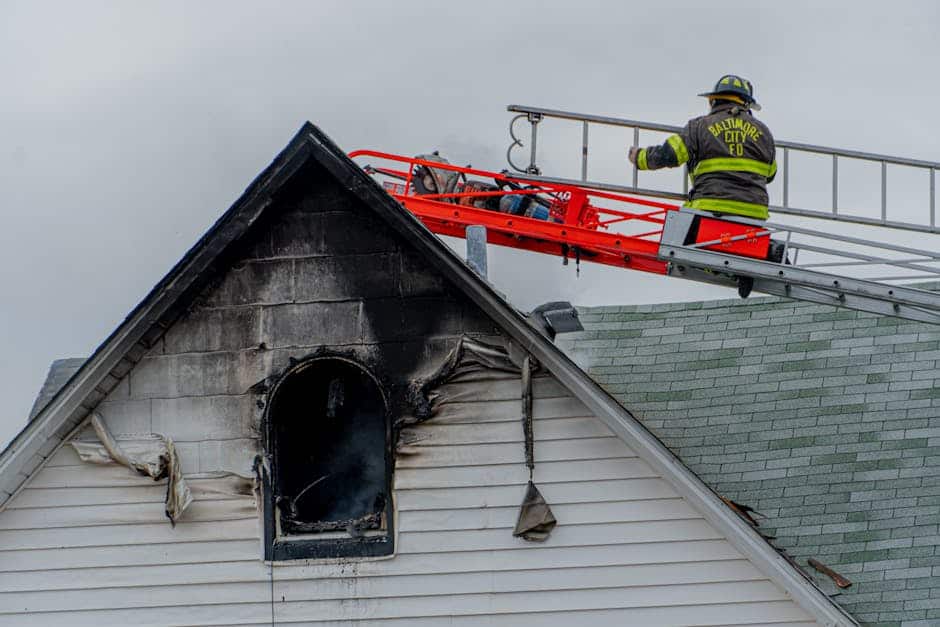
If you live in Utah, fire risk is a real concern. More than 46 million homes across 70,000 communities are at risk from Wildland Urban Interface (WUI) fires. In 2020 alone, fires caused $21.9 billion in property damage across the U.S. — with a home fire reported every 89 seconds.
Your roof is the first line of defense when embers travel from a distant wildfire. The material you choose can mean the difference between a close call and a total loss.
This guide breaks down exactly how composite roofs perform in fire scenarios, what the ratings actually mean, and what Utah homeowners need to know before replacing their roof.
Understanding the Basics: Are Composite Roofs Fire Resistant?
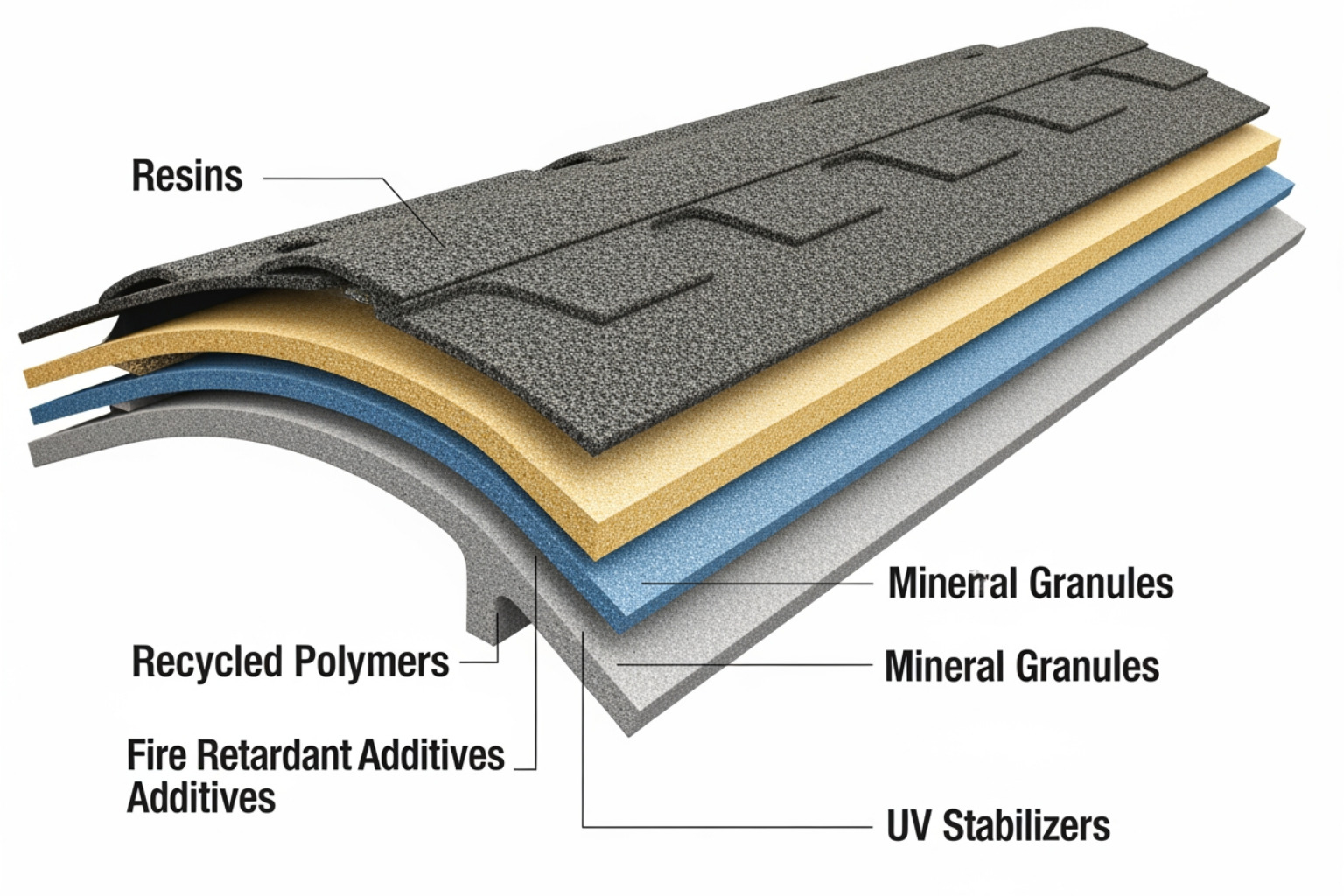
When we talk about composite roofing, we are looking at a state-of-the-art material engineered to solve the problems of the past. Traditional roofs often rely on organic materials that can rot or burn. Composite shingles, however, are a “recipe” of high-tech ingredients. They are typically made from a blend of virgin resins, recycled polymers (like high-density polyethylene), and UV stabilizers.
To answer the burning question—are composite roofs fire resistant?—we have to look at what’s inside them. During the manufacturing process, proprietary fire retardants are baked into the material. This isn’t just a surface coating that can wash away in a Salt Lake City snowstorm; it is part of the shingle’s DNA.
Fireproof vs. Fire-Resistant: Know the Difference
It is a common myth that any roof can be “fireproof.” In the roofing world, we use the term “fire-resistant.” Why? Because under extreme conditions—like a total structure fire where the inside of the house is reaching thousands of degrees—every material will eventually succumb. However, a fire-resistant roof is designed to prevent an external spark or ember from turning into a house-destroying blaze.
Composite roofs often utilize mineral granules and crushed stone to provide a non-combustible outer layer. This helps the roof withstand intense heat without igniting. If you want to dive deeper into the science of these materials, you can Understand the Different Types of Fire Resistant Roofing Materials to see how they stack up against each other.
How Are Composite Roofs Fire Resistant Compared to Wood?
For decades, the cedar shake roof was the gold standard for aesthetics in mountain communities like Park City and Alpine. But there’s a major problem: wood burns. As natural wood shakes age, they undergo organic degradation. They dry out, curl, and split, creating perfect little “pockets” where a wind-blown ember can land and fester.
Composite roofing is the ultimate alternative for homeowners who love the look of wood but hate the fire risk. Because they are synthetic, composite shakes do not rot or decay. They are “ignition-resistant,” meaning they actively resist catching fire even when exposed to direct flames. In fact, many high-end composite shingles contain technology that helps extinguish the flame spread rather than fueling it.
While wood shingles can be treated with fire retardants, those chemicals can leach out over time. Composite roofs maintain their fire resistance for their entire 30-to-50-year lifespan. This makes them a much safer bet for the Wildland Urban Interface zones we see throughout the Wasatch Front. You can read more about this comparison in this Fireproof Roof Versus Fire Resistant Roofing Materials breakdown.
Decoding Fire Ratings: Class A, B, and C Explained
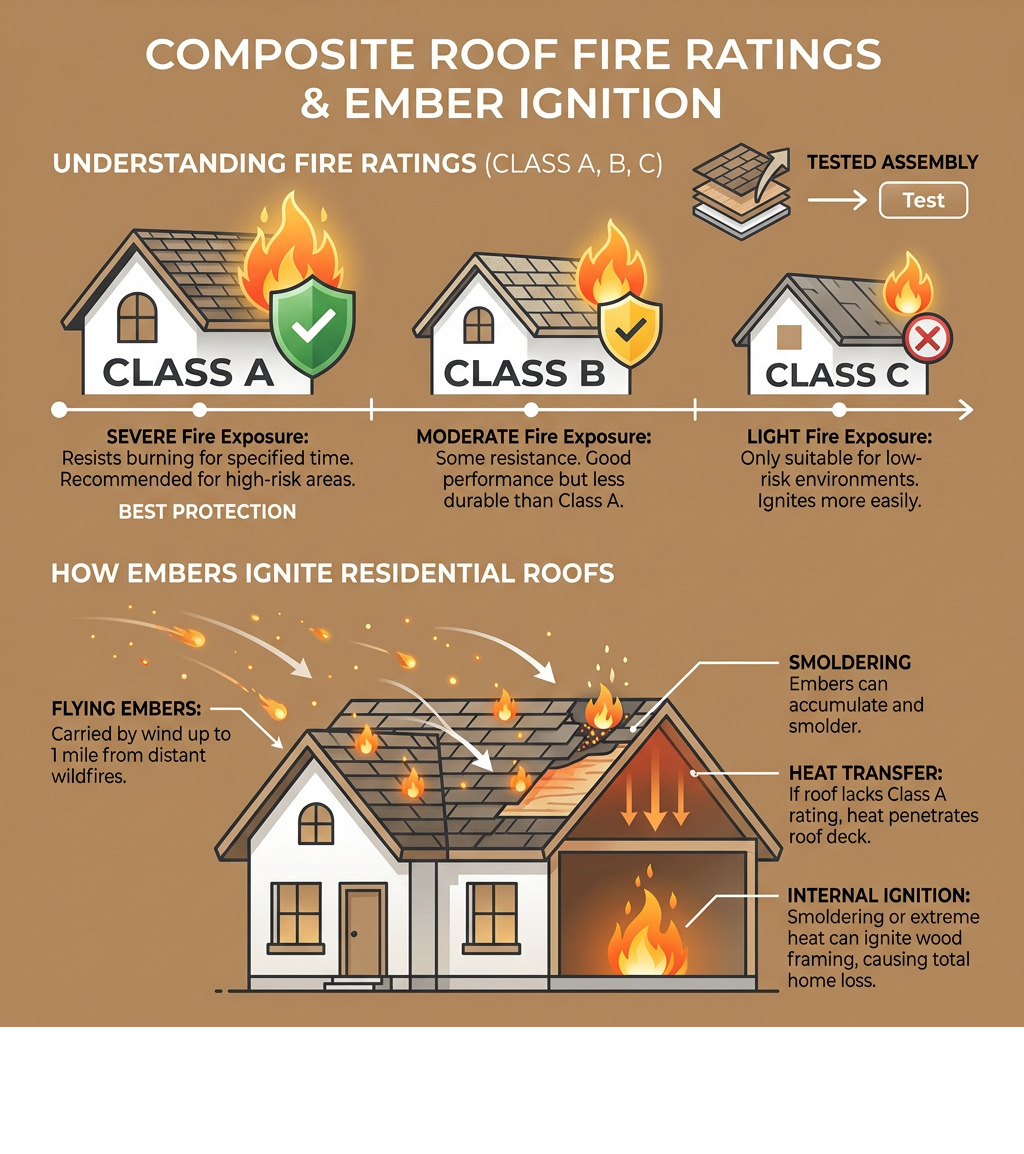
Not all roofs are created equal. To help homeowners and insurance companies understand safety levels, the industry uses a standardized grading system: Class A, Class B, and Class C.
- Class A (The Gold Standard): This is the highest rating. Materials with a Class A rating are effective against “severe fire test exposure.” They do not easily ignite and do not spread flames. Most premium composite roofs fall into this category.
- Class B (Moderate Protection): These materials are effective against “moderate fire test exposure.” You might see this rating on some pressure-treated wood shakes or lower-end synthetic products.
- Class C (Minimum Protection): These provide protection against “light fire test exposure.” Standard un-treated wood shingles often fall here.
In many parts of Utah—especially if you are building in Draper, Herriman, or near the canyons—local building codes may actually require a Class A roof.
Standardized Testing: UL 790 and ASTM E108
How do we know if a shingle is actually Class A? It has to go through the “gauntlet” of laboratory testing. The two primary standards are Standard Test Methods for Fire Tests of Roof Coverings and ASTM Testing (specifically ASTM E108).
The testing involves three brutal stages:
- Intermittent Flame Test: A gas flame is applied to the roof deck in 15 cycles of two minutes on and two minutes off. The material must not ignite or show failure.
- Spread of Flame Test: A flame is applied to the roof for 10 consecutive minutes while a wind is simulated. The tester measures how far the flame travels. To pass Class A, the flame spread must be extremely limited.
- Burning Brand Test: This is the most famous one. A “brand”—a 12×12 inch block of wood that has been set on fire—is placed directly on the roofing material. It is left there for 90 minutes while a fan blows air over it to simulate wind-driven embers. The roof must not allow the fire to burn through to the wooden deck below.
If you want to see this in action, there is a great video of fire testing that shows exactly how Class A composite materials stand up to the heat.
Composite vs. Traditional Materials: A Safety Comparison
When we help our customers in Salt Lake City choose a new roof, we often compare composite to other popular materials. Here is how they generally rank in terms of fire safety:
| Material | Typical Fire Rating | Why? |
|---|---|---|
| Metal | Class A | Non-combustible; excellent for shedding embers. |
| Composite | Class A | Engineered with fire retardants and fiberglass mats. |
| Slate / Clay Tile | Class A | Naturally non-combustible stones and minerals. |
| Asphalt Shingles | Class A | Uses a fiberglass mat and mineral granules to resist heat. |
| Wood Shake | Class B or C | Organic material; highly flammable unless heavily treated. |
As you can see, composite roofing sits right at the top with metal and stone. One reason for this is the fiberglass mat used as a base in many composite products. Fiberglass doesn’t provide fuel for a fire, which helps the shingle act as a shield for your home. You can explore more about these categories at our fire-resistant roofing resource page.
Performance in Real-World Wildfire Scenarios
Laboratory tests are great, but what happens when a real wildfire hits the Wasatch Front? Most homes lost to wildfires aren’t actually consumed by a massive wall of flames. Instead, they are destroyed by ember attacks.
Embers can travel miles ahead of a fire. They land in gutters, on porches, and—most importantly—on roofs. If your roof is made of a flammable material, that single ember can ignite the entire structure. With 1.4 million fires occurring annually in the U.S., resulting in billions in property damage, the stakes are incredibly high.
Real-world evidence shows that homes with Class A roofs have significantly higher survival rates. In many California and Colorado wildfires, investigators found “islands” of surviving homes that remained intact simply because they had fire-resistant roofing and proper defensible space, while neighboring homes with wood roofs were leveled.
Beyond the Shingle: Factors Influencing Total System Fire Resistance
It’s important to remember that a “roof” isn’t just the shingles you see from the street. It is a system. Even the best Class A composite shingle can fail if the rest of the system isn’t up to par.
- Underlayment: This is the layer of protection between the shingles and the wood deck. To achieve a true Class A rating, many composite manufacturers require a specific fire-rated underlayment.
- Roof Pitch: Steeper roofs (high slope) are actually better for fire resistance. Why? Because embers are more likely to roll off a steep roof before they can transfer enough heat to ignite anything.
- Attic Ventilation: Proper ventilation keeps the roof deck cool. If an attic gets too hot, it can actually make the roofing materials more susceptible to ignition from the inside out.
- Maintenance: This is the part we always emphasize at Heaton Bros. Roofing. You can have the best fire-rated roof in Salt Lake City, but if your gutters are full of dry pine needles and leaves, you’ve just created a “fuse” for your house.
Why Are Composite Roofs Fire Resistant Enough for WUI Zones?
The Wildland Urban Interface (WUI) is the zone where human development meets undeveloped wildland. If you live in Bountiful, North Ogden, or Sandy near the mountains, you are likely in a WUI zone.
Local building codes in these areas are becoming stricter every year. Many Utah municipalities now mandate Class A roofing for all new construction and roof replacements. Composite roofs are a favorite for these zones because they meet the strict requirements of the International Wildlife-Urban Interface Code (IWUIC).
Beyond just following the law, choosing a fire-resistant roof can save you money. Many insurance companies offer up to 30% discounts on homeowners insurance premiums for homes with Class A rated roofs. They know that a composite roof is much less likely to result in a total loss claim. For a deeper dive into how these ratings affect your home’s value and safety, check out the Composite Roof Shingles Fire Rating Explained guide.
Frequently Asked Questions about Composite Roof Fire Safety
Can a composite roof be completely fireproof?
No material is 100% fireproof in a total structure fire. If the fire starts inside the house and reaches the attic, the roof structure (the wooden rafters) will eventually burn. However, Class A composite roofs offer the highest level of external fire resistance. They are designed to prevent your house from catching fire because of a neighbor’s house fire or a nearby wildfire.
Do all composite shingles have a Class A rating?
Most premium synthetic shingles achieve a Class A rating, but it isn’t automatic. Some products might only achieve a Class C rating on their own, but “jump” to a Class A rating when installed with a specific fire-rated underlayment. Always check the manufacturer’s specifications and ensure your roofer is following the “rated assembly” requirements.
How long does the fire retardant in composite roofs last?
Unlike wood treatments that can wear off, the fire retardants in high-quality composite shingles are integrated into the polymer blend during manufacturing. This means the fire resistance is “baked in” and will typically last the entire 30-to-50-year lifespan of the shingle. It won’t wash away with rain or degrade significantly with UV exposure.
Conclusion
When you ask, “are composite roofs fire resistant?” the answer is a resounding yes. They represent the pinnacle of modern roofing technology, offering the beauty of natural materials like wood and slate without the terrifying fire risks.
For homeowners in the Salt Lake Valley, the Wasatch Front, and our mountain communities, choosing a fire-resistant roof isn’t just an aesthetic choice—it’s a safety decision. At Heaton Bros. Roofing, we’ve seen a lot in our 65 years and four generations of family ownership. We know that Utah weather (and fire season) can be unpredictable. That’s why we emphasize safety-first installations and help our clients choose materials that provide real peace of mind.
Whether you are in Provo, Ogden, Park City, or right here in Salt Lake City, we are here to help you protect your biggest investment. If you’re ready to upgrade to a safer, more durable roof, we invite you to learn more about our roofing services and see how we can help you “test the heat” and come out on top.