
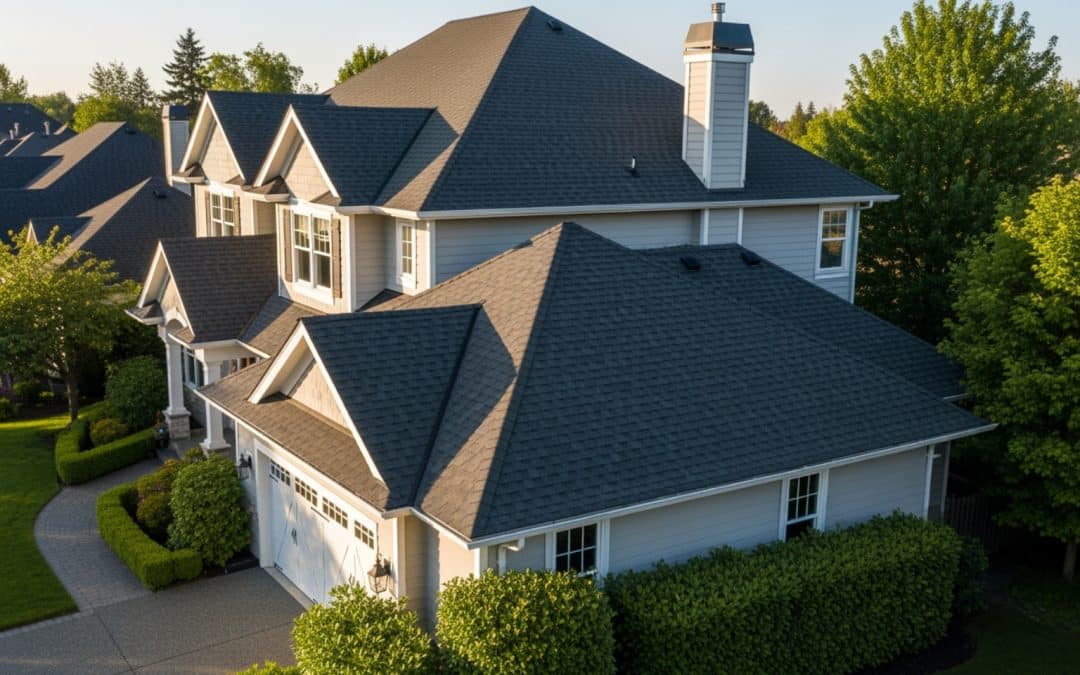
Why Re-Roofing Your Home Is One of Your Best Investments
When you need to re roof home, you’re making one of the most important investments in your property’s future. A new roof protects everything inside your house, boosts curb appeal, and can even lower your energy bills. But the process involves big decisions—from choosing materials to finding the right contractor—and most homeowners only do it once or twice in their lifetime.
Quick Answer: The Re-Roofing Process in 5 Steps
- Assess Your Roof – Check for warning signs like missing shingles, leaks, or age over 20 years
- Plan and Budget – Get multiple quotes, choose materials, and understand costs ($5,000-$15,000 average)
- Hire a Licensed Contractor – Verify credentials, insurance, and warranties
- Installation Process – Tear-off, deck repair, underlayment, new shingles (typically 3-4 days)
- Final Inspection – Walk-through, cleanup, and warranty documentation
The national average for a complete roof replacement ranges from $5,855 to $13,116, with most homeowners spending around $10,000. In Utah, your specific cost depends on your roof size, material choice, and complexity.
A new roof isn’t just about fixing leaks. It can deliver a 100% return on investment when you sell your home, according to the National Association of Realtors. Homes with newer roofs also typically cost less to insure than those with aging roofs.
This guide walks you through every step of the re-roofing process—from recognizing the warning signs to understanding your material options, hiring the right contractor, and maintaining your investment for decades to come.
Is It Time for a New Roof? Key Warning Signs
How do you know when it’s time to re roof home? As a vital part of your home’s structure, your roof provides clear warning signs when it needs attention. With over 65 years of experience, we’ve identified the most critical indicators.
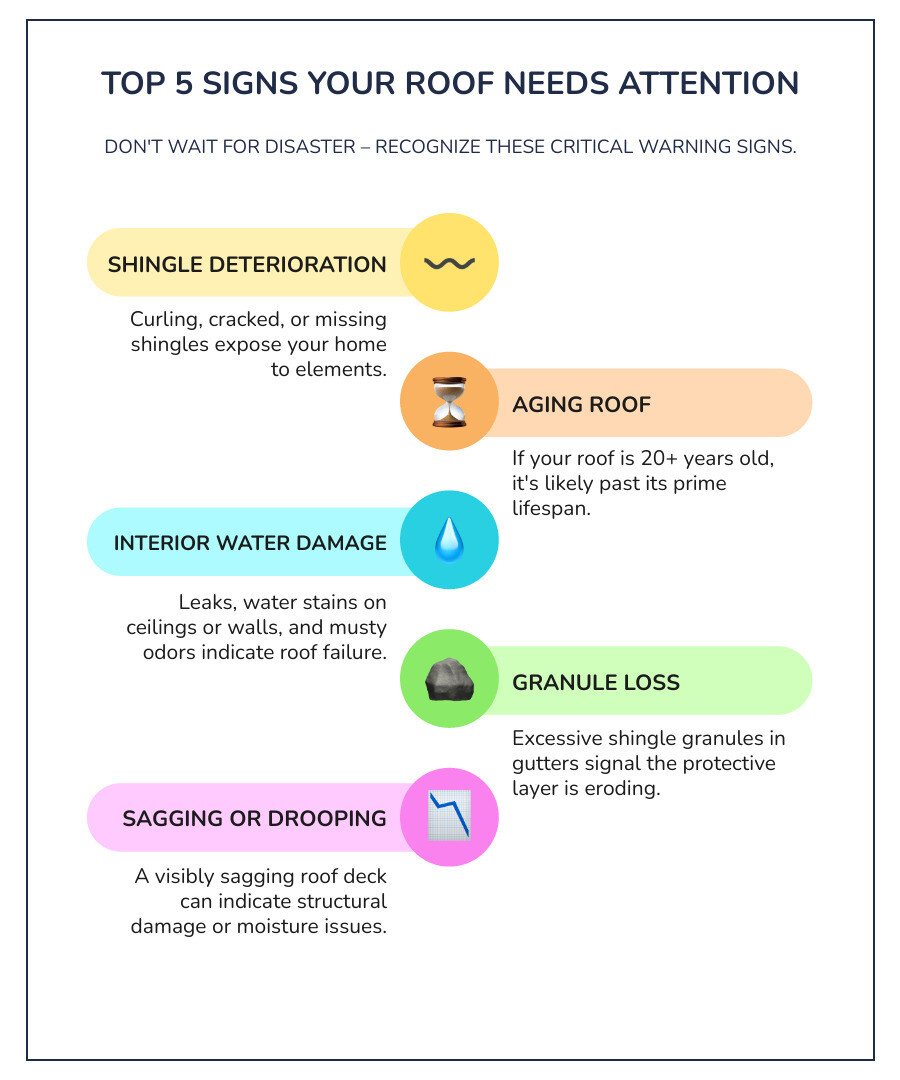
One of the most straightforward indicators is roof age. While asphalt shingles typically last 15 to 20 years, architectural shingles can last 25 to 30 years, and metal roofs can last 40 to 80 years. If your roof is nearing its expected lifespan, it’s wise to start planning for a replacement.
Beyond age, look for visual cues like curling shingles (cupped or clawed) and cracked or missing shingles. These are clear signs of wear that leave your roof vulnerable to water intrusion. A sagging roof deck or soft spots point to serious structural or moisture issues. Likewise, leaks and water stains on ceilings are undeniable proof that your roof’s integrity is compromised.
Don’t overlook your gutters. Finding excessive shingle granules in gutters indicates your asphalt shingles are shedding their protective top layer and nearing the end of their life. Moss or algae growth, especially if widespread, can trap moisture and lead to decay. Finally, storm damage from hail or high winds can necessitate immediate replacement, even on a newer roof. Gaps in roof boards or chimney flashing are also critical problems.
Regular professional inspections are key to catching these issues early and accurately assessing your roof’s condition.
Top 5 Signs Your Utah Roof Needs a Roof Inspection
When to Get a Roof Inspection
Deciding Between Repair and Replacement
Once you’ve identified trouble, the next question is whether to repair or replace. The decision often boils down to the age of the roof, the extent of damage, and a cost-benefit analysis.
For minor, localized issues on a relatively young roof, a repair (costing $382 to $1,829 on average) may suffice. However, if your roof is over 20 years old, has widespread damage, or shows structural weakness, a full replacement is the smarter long-term investment. Patching an old, failing roof is often a temporary fix that leads to recurring, costlier problems.
Replacing an old roof before selling your Salt Lake City home can smooth the process and increase its value. We focus on solutions that offer lasting protection for your home.
Roof Replacement vs. Repair: How to Decide
Protect Your Home with the Right Roof Repair
Planning Your Re-Roof Home Project
Planning to re roof home can feel daunting, but a clear plan makes it manageable. Careful budgeting, material selection, and project timing are key to a successful outcome.
A new roof is a major investment. Materials make up about 55% of the cost and labor 25%–35%, so your choices matter. Always get at least three estimates from reputable Salt Lake City contractors to ensure you’re getting a fair price.
The optimal roofing season in Utah is typically late spring to early fall, when the weather is consistently dry. However, we can often extend work into winter, depending on the weather’s severity.
Planning a Roof Replacement: The Ultimate Guide
Cost-Benefits of a Roof Replacement for Utah Homeowners
Choosing Materials to Re-Roof Home
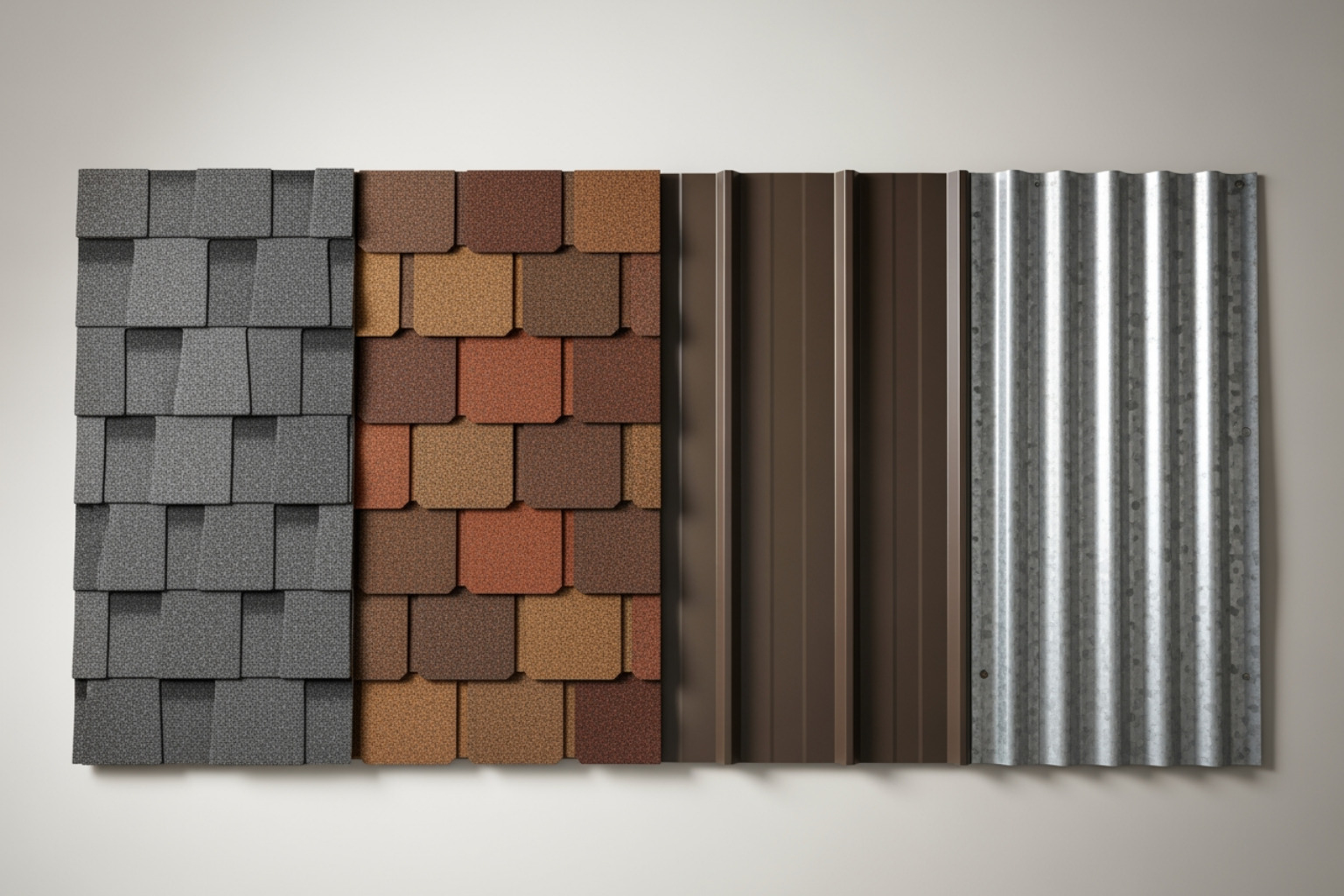
Choosing the right material when you re roof home is pivotal, affecting aesthetics, durability, and cost. We offer a variety of materials designed for Utah’s unique climate.
Asphalt Shingles: These remain the most common and budget-friendly choice.
- Pros: Affordable, wide range of colors, easy to install and repair.
- Cons: Shorter lifespan compared to other materials, less durable in extreme weather.
- Lifespan: 15-30 years (3-tab: 15-20 years; Architectural: 25-30 years)
- Cost per sq ft: $3 – $5
Architectural Shingles: A step up from traditional 3-tab asphalt.
- Pros: Thicker, more durable, better aesthetic appeal, good wind resistance.
- Cons: Higher cost than 3-tab, heavier.
- Lifespan: 25-30 years
- Cost per sq ft: $4 – $7
Metal Roofing: Gaining popularity for its durability.
- Pros: Exceptional durability, leak and wind resistance, energy-efficient, long lifespan.
- Cons: Higher upfront cost, requires specialized installation expertise.
- Lifespan: 40-80 years
- Cost per sq ft: $5 – $12
When comparing options, consider long-term value, maintenance needs, and suitability for your home’s style and Utah’s weather.
The Pros and Cons of Metal Roofing for Your Home
How to Compare Different Roofing Options
Roofing Buying Guide
Understanding the Cost to Re-Roof Home
The cost to re roof home varies, with national averages for a full replacement between $5,855 and $13,116. Your final price in Utah will depend on several factors:
- Roof Size and Complexity: Larger or more complex roofs (steep pitch, multiple valleys, dormers) cost more due to added labor and materials.
- Material Choice: Asphalt is most affordable, while metal costs more but offers greater longevity. Materials account for about 55% of a tear-off’s cost.
- Labor Costs: Skilled labor is essential and accounts for 25%–35% of the total cost.
- Permit Fees: Permit fees for local code compliance in the Salt Lake City area will be included in your estimate.
- Debris Disposal: Disposal of old materials adds to the cost (around 5% of the total).
- Decking Repairs: Repairs to rotten or damaged decking found after tear-off will add to the cost.
- Additional Components: Upgrades like new ventilation or ice and water shields (recommended for Utah) will also affect the price.
We always provide a detailed estimate that breaks down these costs, so you know exactly what you’re paying for.
What to Expect From a Roofing Estimate
Affordable Roofing Without Compromising Quality
Full Tear-Off vs. Roof Overlay
When you re roof home, you have two main options: a full tear-off or a roof overlay. The process and long-term results are very different.
Roof Overlay (Re-Roofing): This involves installing new shingles directly over your existing ones. Utah code permits up to two layers of roofing.
- Pros:
- Cost Savings: Generally cheaper as it saves on labor and disposal costs.
- Faster: The installation process is typically quicker.
- Cons:
- Hidden Damage: Cannot inspect or repair the roof deck, leaving rot or damage unaddressed.
- Added Weight: Adds significant weight to your home’s structure.
- Aesthetics: May not lie flat, and old irregularities can show through.
- Warranty Complications: Can void some manufacturer warranties.
- Limited Lifespan: May not last as long due to a compromised foundation.
Full Tear-Off (Replacement): This method involves completely removing all existing roofing materials down to the roof deck before installing new ones.
- Pros:
- Deck Inspection: Allows for full inspection and repair of the roof deck for a solid foundation.
- Improved Durability: Maximizes new roof’s lifespan and performance.
- Better Warranty: Offers more comprehensive warranty coverage.
- Improved Energy Efficiency: Allows for insulation and ventilation upgrades.
- Higher Home Value: Preferred by appraisers and buyers.
- Cons:
- Higher Cost: More expensive due to increased labor and disposal fees.
- Longer Process: Takes more time to complete.
While an overlay is cheaper upfront, we usually recommend a full tear-off. It ensures the best long-term performance and addresses hidden issues, providing peace of mind.
Watch our video, “Can I Put a New Roof Over the Top of My Existing Roof?” here
The Roof Replacement Process: Step-by-Step
Knowing what to expect when we re roof home can help you prepare. Here’s our step-by-step process:
-
Property Preparation: Before work begins, we document any existing damage and set up precautions to protect your home and landscaping, like tarps and protective boards. Materials are delivered to a paved surface before the project starts.
-
Tear-Off: Our crew carefully tears off the old roof in sections, managing debris efficiently to minimize mess and potential damage.
-
Deck Inspection and Repair: With the old roof removed, we inspect the bare deck for rot or damage. We replace any compromised boards to ensure a solid foundation for your new roof, as required by shingle warranties.
-
Underlayment and Flashing Installation: With a sound deck, we install protective layers: Drip Edge for protection, Ice and Water Shield in vulnerable areas like valleys (crucial for Utah winters), a synthetic Underlayment as a secondary moisture barrier, and new Flashing around chimneys and vents to prevent leaks.
-
Shingle Installation: This is where your new roof takes shape. We install Starter Shingles for wind resistance, followed by your chosen Main Shingles in straight, overlapping rows. Finally, we install Ridge Capping along the peaks.
-
Ventilation Installation: Proper attic ventilation is installed or upgraded during this phase, typically with ridge vents and soffit vents, to ensure healthy airflow and prevent heat and moisture buildup.
-
Site Cleanup: After installation, our crew performs a thorough cleanup. We remove all debris from the roof and gutters, roll up tarps, and use powerful magnets to pick up stray nails, leaving your property clean.
-
Final Walkthrough: Our project manager conducts a final inspection and walks through the project with you to answer questions and ensure your complete satisfaction. We also provide all warranty information.
Understanding the Roof Installation Process: What to Expect

Hiring a Professional vs. DIY
Many Salt Lake City homeowners wonder about a DIY roof replacement. While the DIY spirit is commendable, roofing is a complex and hazardous job where professional expertise is invaluable.
The primary concern is safety. Roofing involves working at heights on steep surfaces with heavy materials. Without proper training and safety gear, the risk of falls and serious injury is substantial.
Professionals have the required expertise and specialized tools. They understand proper installation, local building codes, and have access to equipment most homeowners don’t own.
A DIY project has a significant time commitment, often taking weeks. Our professional crew can typically finish in a few days, minimizing disruption.
Most importantly, a professional installation includes warranty protection on both materials and workmanship. A DIY mistake can void manufacturer warranties and leave you responsible for costly repairs. A pro job protects your investment.
Why Professional Roof Installation Saves You Money in the Long Run
Finding and Vetting a Roofing Contractor
Choosing the right contractor is as crucial as selecting the right materials. A good contractor ensures quality, safety, and reliable warranties. Here’s what to look for:
- Licensing and Insurance: Always verify the contractor is licensed in Utah and carries both liability and workers’ compensation insurance. This protects you from liability in case of accidents.
- Local Reputation: Look for a contractor with a strong local presence and positive reviews. Ask for references and check their BBB standing. Our family-owned business has served Utah for over 65 years.
- Written Estimates: Obtain detailed, written estimates from at least three contractors that break down all costs.
- Contract Details: Ensure the contract is comprehensive, including scope, timelines, payment schedule, and warranty info. Read it carefully.
- Workmanship Warranty: A reputable contractor stands by their work with a strong workmanship warranty covering installation errors.
- Material Warranty: Understand the manufacturer’s warranty on your chosen materials, including its duration and what it covers.
Questions to Ask a Roofing Contractor:
- Are you licensed and insured? Can I see proof?
- How long have you been in business in the Salt Lake City area?
- Can you provide local references?
- What materials do you recommend, and why?
- What is included in the estimate (materials, labor, disposal, permits, etc.)?
- What kind of warranties do you offer (workmanship and material)?
- What is your project timeline?
- How do you handle property protection and cleanup?
- What happens if you find unexpected damage to the roof deck?
- Do you handle permits?
How to Find a Reliable Roofing Contractor in Your Area
The Top 8 Questions to Ask Your Roofing Contractor Before Hiring
Beyond the Shingles: Other Key Considerations
When you re roof home, you’re not just getting new shingles; you’re upgrading an entire system that impacts your home’s performance and value. Beyond the visible surface, several other factors deserve your attention.
Roofing Trends for Modern Utah Homes in 2026
Energy Efficiency, Ventilation, and Modern Trends
A new roof offers an excellent opportunity to improve your home’s energy efficiency.
- Cool Roofs: Especially beneficial in Utah’s sunny climate, “cool roof” shingles reflect more sunlight. White roofs reflect 60-90% of sunlight, while “cool colored” options reflect 30-60%. This can lower attic temperatures by 5-10 degrees and cut cooling costs by up to 15%, saving money and increasing comfort.
- Attic Ventilation: Proper attic ventilation is paramount. Without it, your attic can trap excess heat and moisture, leading to mold, warped wood, and ice dams. Installing effective ridge and soffit vents ensures healthy airflow, extending your roof’s lifespan.
- Solar Shingles: For those interested in renewable energy, solar shingles from manufacturers like GAF, CertainTeed, and Tesla integrate solar power into your roof. While a significant investment, a 30% federal tax credit is available for solar roofs through the end of 2025.
Home Energy Efficiency Starts With Your Roof
Roles of Attic Insulation and Ventilation
Learn about cool roofs
Insurance, Permits, and Post-Installation Care
The administrative and care aspects of a new roof are just as important as the installation.
- Homeowners Insurance: A new roof can lower your insurance premiums, as newer roofs are less risky. Replacing an old roof, especially with durable materials, may qualify you for discounts. Your policy may cover storm damage, but not normal wear and tear.
- Permits and Regulations: Most roof replacements in our service areas require a building permit to ensure compliance with local codes. Our team handles this process for you.
- New Roof Maintenance: To maximize your roof’s lifespan, simple maintenance is key:
- Regular Inspections: Periodically check for any signs of damage, especially after severe weather.
- Gutter Cleaning: Keep gutters and downspouts clear of debris to ensure proper water drainage.
- Trim Branches: Trim any overhanging tree branches that could fall on or rub against your roof.
Understanding Hail Damage and How to Navigate Insurance Claims
Utah Roof Maintenance Tips to Extend Its Lifespan
Frequently Asked Questions about Roof Replacement
How long does a new roof last?
The lifespan of a new roof depends heavily on the material chosen, the quality of installation, and regular maintenance. Asphalt shingles typically last 15 to 20 years, while architectural shingles can extend that to 25 to 30 years. If you opt for a metal roof, you’re looking at a lifespan of 40 to 80 years. Proper installation is crucial; even the best materials won’t last if poorly installed. Regular inspections and maintenance also play a significant role in achieving the maximum lifespan for your roof.
Will my homeowner’s insurance pay for a new roof?
Generally, homeowner’s insurance policies do not cover roof replacements due to normal wear and tear or aging. However, they often cover damage caused by sudden, unforeseen events like severe storms, hail, or fallen trees. The specifics depend entirely on your policy, including your deductible and coverage limits. If you suspect storm damage, it’s important to contact your insurance provider promptly. That homes with newer roofs tend to have lower insurance premiums.
What are the hidden costs of a roof replacement?
While we strive for transparent pricing, some costs can arise unexpectedly during a roof replacement:
- Rotten Decking Replacement: If we find rotten or compromised decking after tear-off, it must be replaced to ensure a solid foundation.
- Damaged Flashing: Existing flashing around chimneys or vents might be outdated or damaged and need replacement to ensure a watertight seal.
- Gutter Repair/Replacement: Older gutters may be damaged during tear-off or simply need replacement. Upgrading them with the roof is cost-effective.
- Upgraded Ventilation: If current attic ventilation is inadequate, upgrading it is highly recommended and adds to the cost.
- Permit Fees: Local building permits are a necessary cost to meet safety standards.
- Unforeseen Structural Issues: Though rare, significant structural issues found during tear-off would require immediate attention and add to the cost.
We always aim to identify potential additional costs during the initial inspection and provide a comprehensive estimate.
Your Partner for a Secure and Stylish Roof
Choosing to re roof home is a significant decision, a long-term investment that protects your most valuable asset. The journey from recognizing the first signs of wear to enjoying a beautiful, durable new roof involves careful planning, material selection, and, most importantly, professional execution. We hope this guide has empowered you with the knowledge to make informed choices.
At Heaton Bros. Roofing, we believe in the value of quality materials and expert installation. As a 4th-generation, family-owned roofing company, we’ve been serving Salt Lake City, the Wasatch Front, and surrounding Utah communities for over 65 years. Our experience means we bring reliability and a commitment to customer satisfaction to every project, ensuring your new roof is not just installed, but crafted to last.
Don’t let the thought of a roof replacement nail down your peace of mind. We’re here to guide you through every step, providing quality, affordable roof repairs, replacements, and new construction with the expertise only decades in the business can provide.