
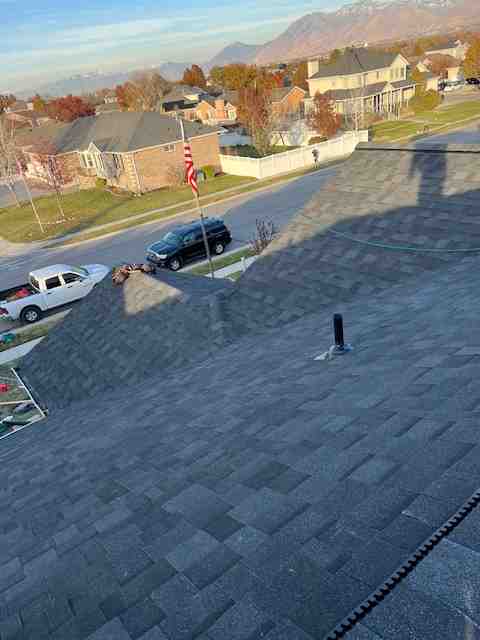
What Happens to Your Roof Warranty When You Sell Your Home?
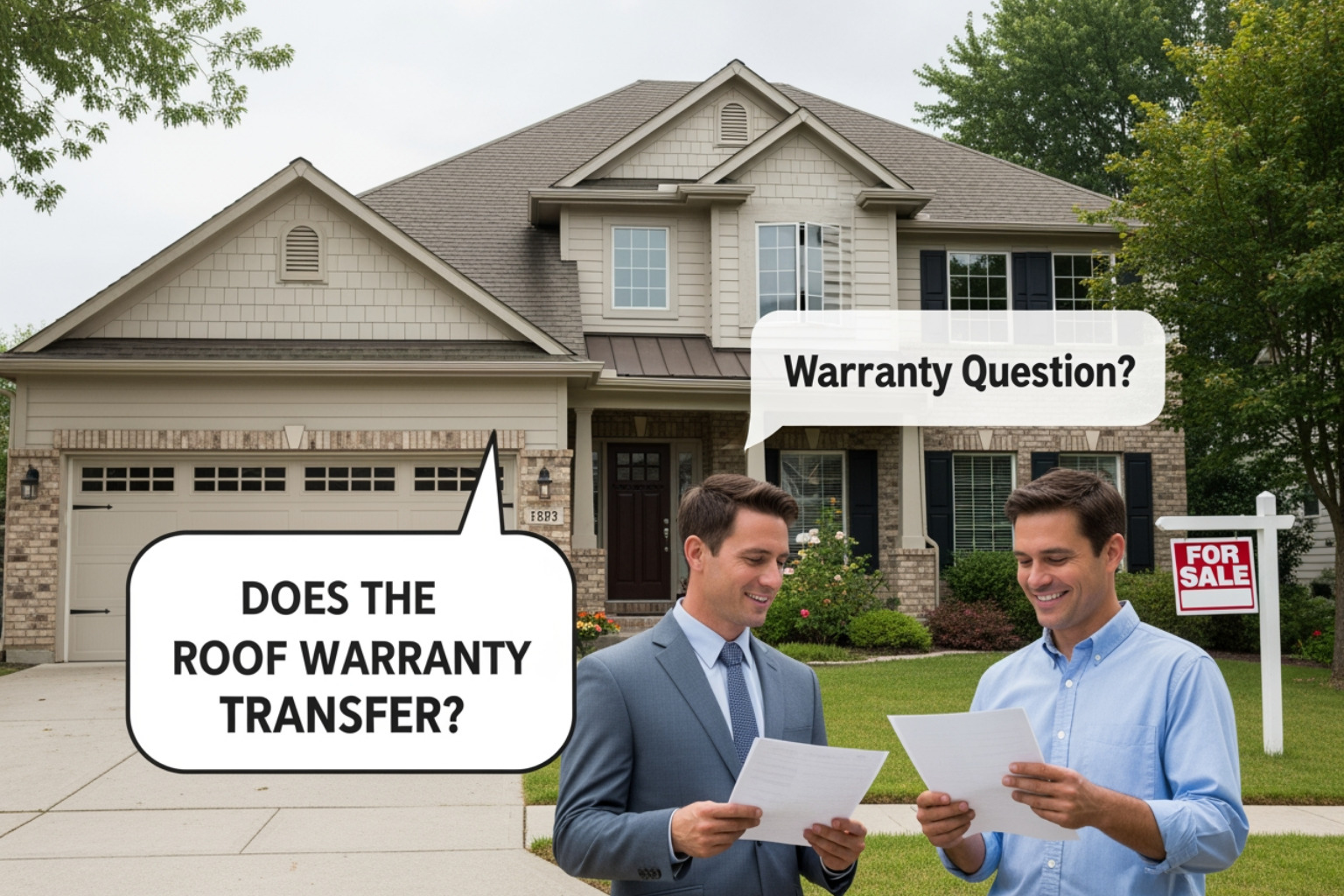
Does roof warranty transfer to new owner — and the short answer is: yes, often it can, but not automatically and not always in full.
Here is what most homeowners need to know upfront:
- Manufacturer warranties (covering shingle defects) are usually transferable at least once, with conditions
- Contractor warranties (covering installation quality) are less commonly transferable and vary widely
- Most transfers require written notice, documentation, and action within a set deadline — often 30 to 90 days after closing
- Some warranties reduce in coverage after transfer (prorated terms)
- Missing the transfer window can mean the new owner gets no warranty at all
So if you are selling your home — or buying one — the roof warranty does not just follow the keys. You have to make it happen.
Here is why this matters: The median American homeowner stays in their home for about 13 years. But most asphalt shingle roofs carry warranties of 25 to 30 years — sometimes up to 50. That means when you sell, there could be decades of coverage still on the table. Protecting that coverage for the next owner is not just a courtesy — it can directly affect your home’s value and how fast it sells.
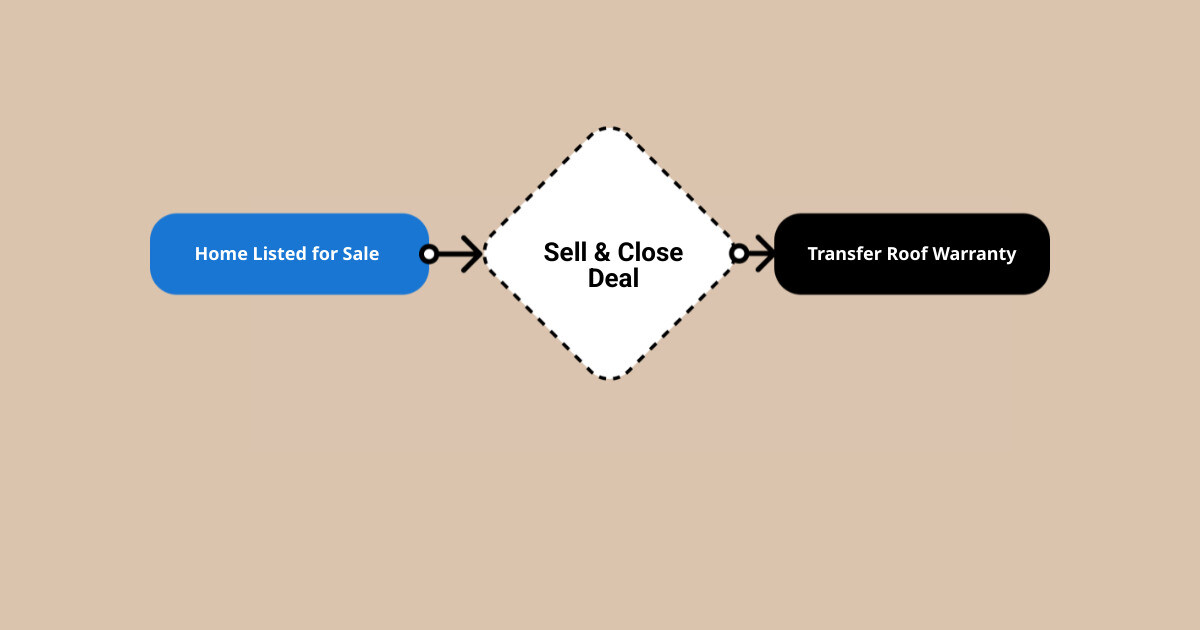
Does Roof Warranty Transfer to New Owner? Understanding the Basics
When we talk about whether a transferable warranty actually moves from one person to another, we have to look at the fine print. In the roofing world, a warranty is a promise from a company that their product or their work will last for a specific amount of time. If it doesn’t, they’ll fix it or replace it.
However, many homeowners are surprised to learn that these promises are often tied to the person who bought the roof, not just the house itself. To ensure the coverage continues, you usually have to perform a formal transfer. This process protects the new owner against material defects (like shingles that crack or lose granules prematurely) and workmanship errors (like improper flashing that leads to leaks).
At Heaton Bros. Roofing, we believe in the truth about roofing warranties: they are only as good as the paper they are written on and the actions you take to maintain them. Coverage duration can span decades, but the new homeowner must often take on specific obligations—like regular maintenance—to keep that protection alive.
Manufacturer vs. Contractor Warranties
It is vital to distinguish between the two main types of protection.
- Manufacturer Warranties: These are provided by the companies that make the shingles (like Owens Corning or GAF). They primarily cover product defects. If the shingles themselves fail due to a manufacturing flaw, the manufacturer steps in. These are the most likely to be transferable.
- Contractor Warranties: These are provided by the roofing company that installed the roof. These cover the “workmanship”—essentially, the quality of the installation. If a leak occurs because a nail was driven incorrectly, that is a workmanship issue. Whether these transfer depends entirely on the specific contractor’s policy.
Why does roof warranty transfer to new owner timelines matter?
Timing is everything. Most manufacturers have strict “notification windows.” If you close on your home on June 1st, you might only have until July 30th to notify the company of the change in ownership.
For example, how to transfer a roof warranty involves meeting a 60-day rule for some brands, while others give you up to a year. If you miss this window, the warranty may permanently expire, leaving the new owner with no recourse if the roof fails. We frequently discuss these nuances in our roofing warranties category to help Utah residents stay ahead of the clock.
Comparing Manufacturer vs. Contractor Warranty Rules
To give you a clearer picture of what to expect, we’ve broken down the general differences between these two types of coverage.
| Feature | Manufacturer Product Warranty | Contractor Workmanship Warranty |
|---|---|---|
| What is Covered? | Shingle defects, premature aging | Installation errors, leaks, labor |
| Typical Duration | 25 years to “Lifetime” | 2 to 25+ years |
| Transferability | Usually allowed once | Varies by contractor |
| Fees | Often a small admin fee | Usually no fee, but needs written notice |
| Labor Included? | Only in “enhanced” warranties | Almost always |
The type of shingle you choose also plays a role. Standard 3-tab shingles often have shorter, 20-to-30-year limited warranties. In contrast, architectural shingles frequently come with “lifetime-limited” terms, which provide much better long-term value for a roofing warranties tag you can pass on to a buyer.
Manufacturer-Specific Transfer Rules
Every brand has its own “playbook” for transfers. Here is a quick look at the big names:
- Owens Corning: They generally require the transfer request to be submitted within 60 days after the real estate transaction closes.
- CertainTeed: Their asphalt shingle warranties are often transferable once without a fee to the first subsequent owner, provided it’s done within a specific timeframe (usually 60 days).
- GAF: Most of their residential warranties can be transferred within the first year after the property transfer occurs.
That many warranties change from “non-prorated” (full coverage) to “prorated” (coverage that decreases as the roof gets older) once they are transferred.
Contractor Workmanship Transferability
In the Salt Lake City area, local standards for contractor warranties vary. While some companies offer labor guarantees that stay with the house, others consider the contract “personal” to the original buyer. At Heaton Bros. Roofing, we prioritize transparency. If you are looking to transfer a workmanship warranty, you will typically need written consent from the roofing company and may need to provide proof that the roof hasn’t been altered by anyone else.
The Step-by-Step Process and Documentation for Transfer
Transferring a warranty isn’t a “handshake deal.” It requires a paper trail. If you are a seller in the Wasatch Front, you should start gathering these documents as soon as you list your home.
Essential Documentation for Sellers
To make the process seamless, keep a folder containing:
- The Original Invoice: This proves when the roof was installed and how much was paid.
- The Shingle Brand and Style: Manufacturers need to know exactly what product is on your house.
- The Warranty Certificate: If the contractor registered the roof, you should have a certificate with a unique ID number.
- Proof of Ownership Change: A copy of the deed or closing settlement statement is usually required to prove the house actually changed hands.
Verification Steps for Home Buyers
If you are buying a home in Sandy, Draper, or Park City, do not take the seller’s word for it.
- Ask for the paperwork: Request the original contract and warranty details during the due diligence period.
- Check the remaining term: If the roof is 12 years old on a 25-year warranty, verify if the coverage is now prorated.
- Confirm transfer limits: Has the warranty already been transferred once? If so, you might not be able to transfer it again.
- Review maintenance history: Some warranties require annual inspections. Ask the seller for records of any repairs or cleanings.
Why a Transferable Warranty is a Major Selling Point
In a competitive real estate market like Salt Lake City or Provo, every advantage counts. A transferable roof warranty is an attractive selling point because it removes a massive “what if” for the buyer.
A new roof is a significant investment. When a buyer sees that the roof is covered for the next 20 years, they feel a sense of peace of mind. It can even be used as negotiation leverage; a seller might hold firm on their price because they are providing a “guaranteed” roof, whereas a house with an old, un-warrantied roof might face heavy repair credits during inspections.
Common Pitfalls: What Voids a Roof Warranty?
Even the best transferable warranty can be rendered useless if certain conditions aren’t met. We’ve seen many homeowners lose their coverage because of:
- Unlicensed Contractors: Having a “handyman” fix a leak can void the entire manufacturer warranty.
- DIY Repairs: Never try to “patch” a warrantied roof yourself.
- Poor Ventilation: If your attic isn’t venting heat properly, the shingles can “bake” from the inside out, which manufacturers often exclude from coverage.
- Unauthorized Alterations: Installing solar panels or a new skylight without following specific manufacturer guidelines can end your coverage instantly.
- Neglect: If you let moss and debris pile up for years, the company may argue that the failure was due to lack of maintenance, not a product defect.
Frequently Asked Questions
Does roof warranty transfer to new owner more than once?
Generally, no. Most manufacturers allow for a one-time transfer. This means the warranty goes from the person who bought the roof to the first person they sell the house to. If that second owner sells the house five years later, the third owner usually won’t be covered. However, some premium “lifetime” warranties may have different rules, so always check the specific terms for subsequent owners.
Are there fees associated with transferring a roof warranty?
Yes, administrative fees are common. They typically range from $100 to $500. For example, Owens Corning often requires a fee along with their 60-day notification. Some companies, like CertainTeed, may offer a no-fee transfer window for certain products. Usually, these fees are paid via check or online portal during the notification process.
What happens if the original warranty wasn’t registered?
This is a common headache. Most warranties must be registered within 30 to 60 days of installation. If your contractor didn’t do this, or you forgot, you might still be able to transfer it if you have the original proof of purchase (the invoice). Some manufacturers are more lenient than others, but without that initial registration, the transfer process becomes much more difficult.
Conclusion
Transferring a roof warranty is one of those small moving tasks that can have a massive financial impact. Whether you are selling a family home in South Jordan or buying your first place in Bountiful, taking 30 minutes to handle the paperwork can protect an investment worth tens of thousands of dollars.
At Heaton Bros. Roofing, we have spent over 65 years serving the Wasatch Front. As a 4th-generation, family-owned business, we understand that a roof is more than just shingles—it’s the protection for everything you love. We pride ourselves on providing the kind of quality and reliability that makes warranties easy to stand behind.
If you are preparing to sell your home and need an inspection to ensure your warranty remains valid, or if you’ve just moved in and need help navigating the transfer process, we are here to help. Protect your home’s value with our professional roofing services and ensure your Utah home stays dry and secure for generations to come.