
Why Finding the Right Roofer Matters
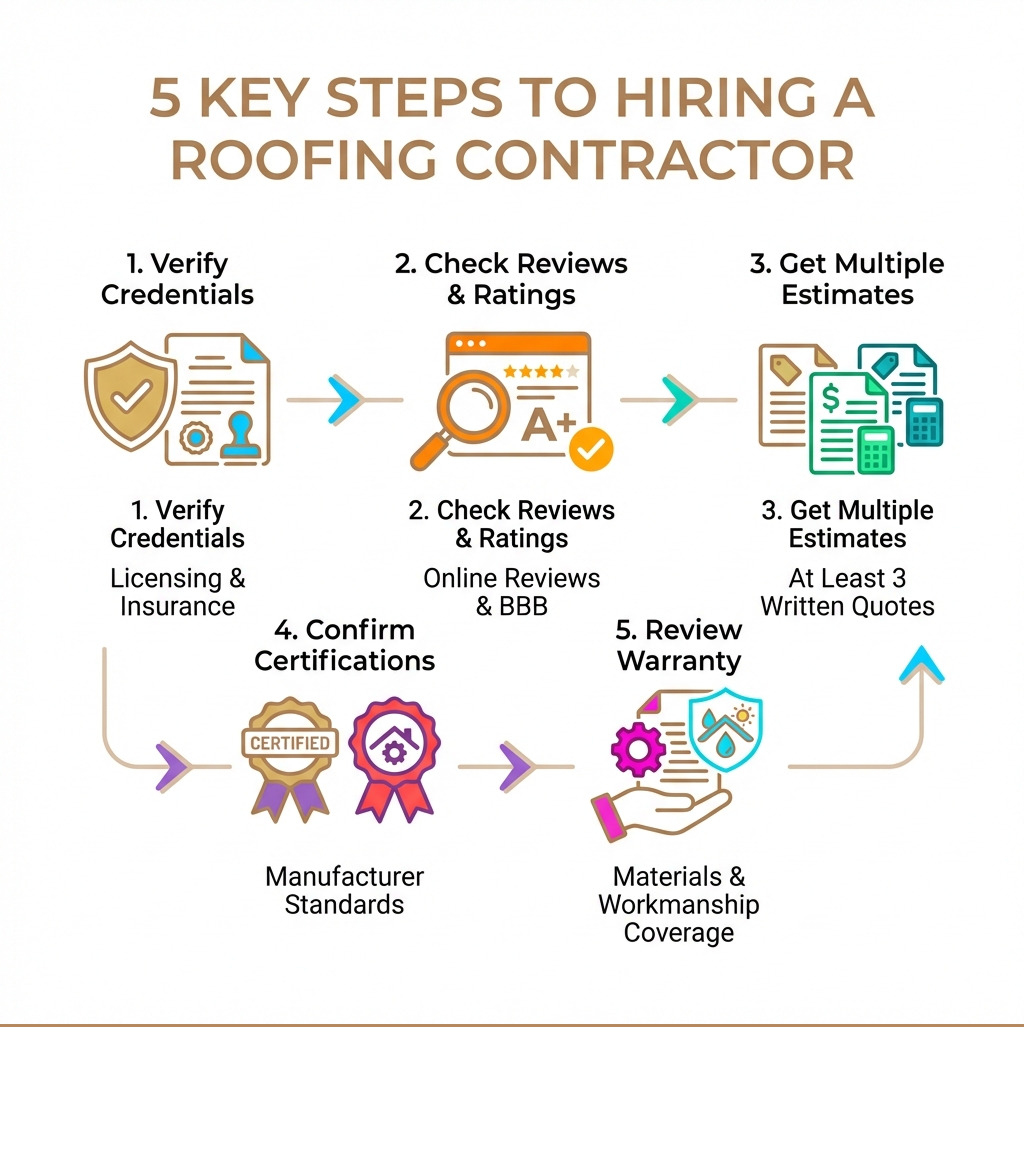
Roofing near me searches help homeowners connect with local contractors who can inspect, repair, or replace their roofs. Here’s how to find a qualified roofer in your area:
- Check licensing and insurance – Verify contractors carry proper credentials and liability coverage
- Read online reviews – Look for A+ BBB ratings and positive customer testimonials
- Ask for references – Contact previous customers to gauge satisfaction
- Get multiple quotes – Compare at least 3 written estimates before deciding
- Verify certifications – Ensure contractors are certified by manufacturers like GAF or CertainTeed
- Confirm warranties – Ask about both material and workmanship guarantees
Your roof protects everything underneath it. When it fails, water damages your walls, foundation, and belongings. Storm damage, aging shingles, and leaks don’t wait for convenient timing.
But finding a trustworthy contractor isn’t easy.
Some companies disappear after collecting deposits. Others cut corners with subpar materials. A few pressure you into unnecessary replacements when simple repairs would work.
The stakes are high. According to industry data, more homes in the U.S. are protected by GAF roofs than any other product. A long track record of success is a key indicator of reliability. For example, our family-owned company, Heaton Bros. Roofing, has earned the trust of homeowners across the Wasatch Front for over 65 years.
These numbers matter because they represent reliability.
This guide walks you through every step of hiring a reputable local roofer. You’ll learn when to repair versus replace, how to compare materials and costs, what questions to ask contractors, and what red flags to avoid.
Whether you’re dealing with storm damage or planning ahead, you’ll make an informed decision that protects your home and your wallet.
Spotting the Signs: When to Call a Roofer
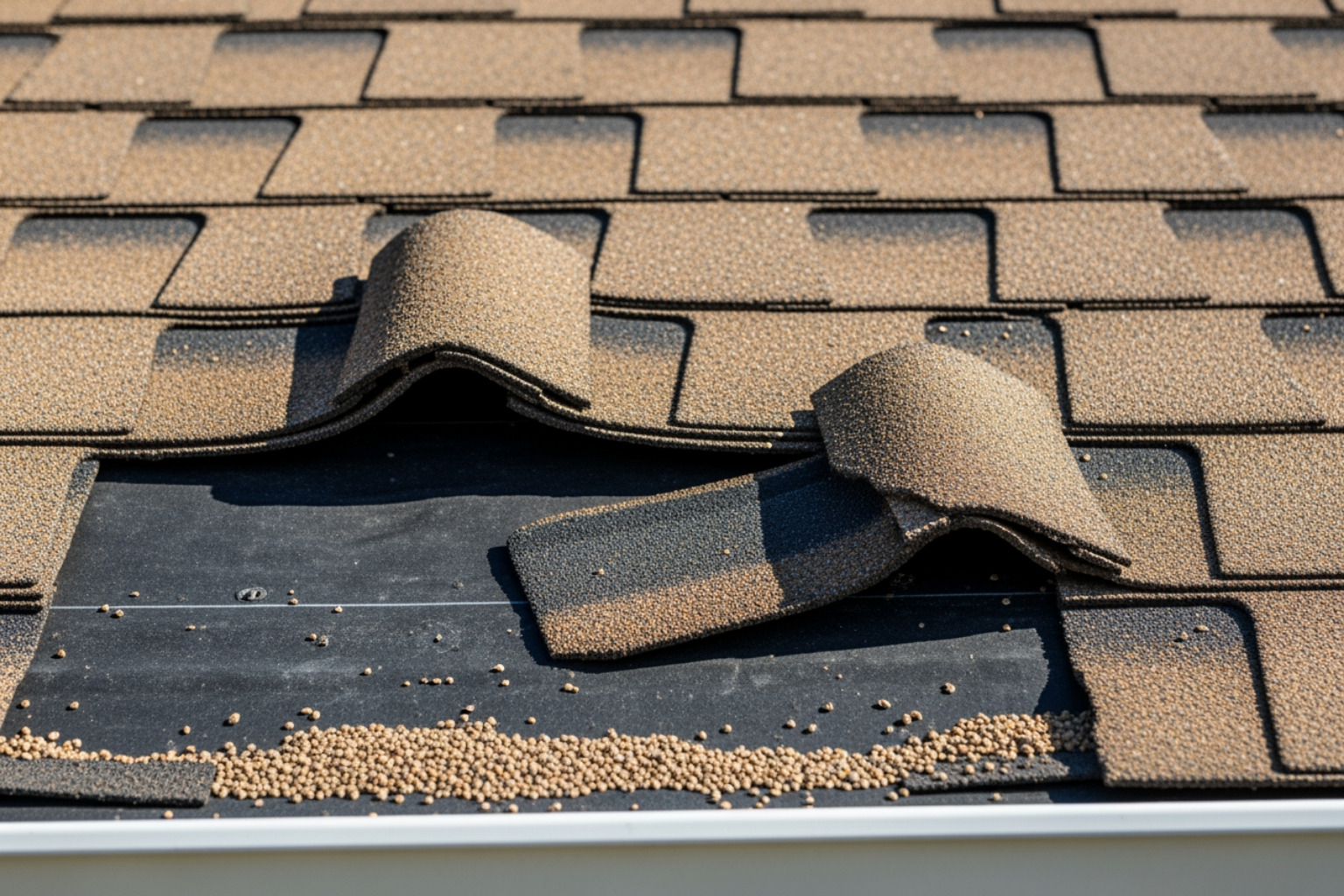
Waiting too long to address roof damage turns small issues into big, expensive ones. Call us if you notice:
- Leaks or water stains on ceilings or in the attic, especially after wind, hail, or heavy snow
- Damaged, curling, or cracked shingles
- Bald spots where shingle granules are missing (look for granules in gutters)
- Sagging roof deck or soft spots when walking near the eaves
- Rusted or loose flashing around chimneys, skylights, and vents
- Moss/algae growth that won’t wash off
- Daylight visible through the roof boards in the attic
- Roof age: asphalt shingles typically last 15–30 years; older roofs deserve a professional inspection
Want a quick checklist to use from the ground with binoculars? See our guide: Local Roofer Insights: How to Spot Early Signs of Roof Damage.
Repair vs. Replacement
Not every issue requires a full tear-off. Use these guidelines (and our free evaluation) to decide:
- Localized vs. widespread: A few missing shingles or a single flashing leak? That’s usually repairable. Multiple leaks across slopes or widespread granule loss often point to replacement.
- Age matters: If the roof is near end-of-life, pouring money into patchwork rarely pays off. A new roof can be the better investment.
- Hidden damage: Underlayment or decking rot, or chronic ice dam problems, may warrant replacement to fix the root cause.
- Insurance and storms: Hail and wind can cause widespread damage that merits a replacement claim.
Get the full breakdown in Roof Replacement vs. Repair: How to Decide.
A Homeowner’s Guide to Roofing Materials and Costs
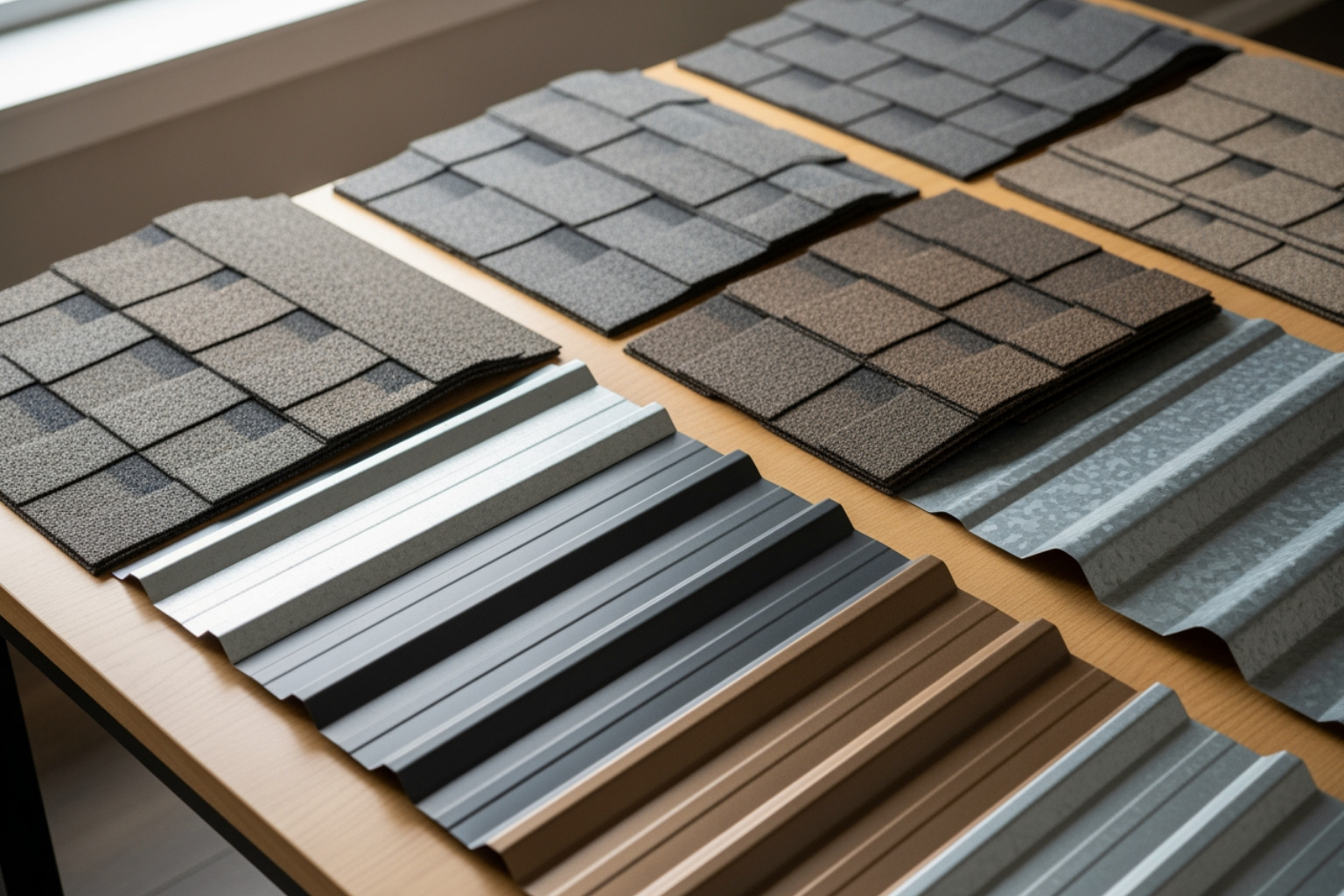
Choosing the right material for homes across the Wasatch Front (Salt Lake City, South Jordan, Bountiful, Park City, Ogden, Provo, and beyond) means balancing:
- Budget: Upfront cost vs. long-term value
- Durability: Resistance to hail, wind, heavy snow, and freeze-thaw cycles
- Aesthetics: Architectural style and HOA guidelines
- Energy efficiency: Reflectivity, insulation, and ventilation as a system
Pro tip: A roof’s energy performance is a result of the whole system—materials, color, underlayment, attic insulation, and ventilation. Learn how it all works together in Home Energy Efficiency Starts With Your Roof.
Common Roofing Materials
- Asphalt shingles
- Most common across our Utah service areas for good reason: solid performance, great color/style options, and budget-friendly.
- Advanced lines (like GAF Timberline HDZ, America’s #1-selling shingle brand) emphasize wind uplift performance and long-term appearance.
- Metal roofing
- Excellent longevity, strong wind and snow performance, and fire resistance. Standing seam panels shed snow well on steeper pitches.
- Consider snow retention in snowy zones to protect walkways and landscaping.
- See our deep dive: The Pros and Cons of Metal Roofing for Your Home.
- Tile and slate
- Beautiful and long-lasting but heavy—often requires structural evaluation/reinforcement. Not ideal for every home or budget.
- Wood shakes
- Classic mountain look with higher maintenance. Not typically recommended near wildfire-prone areas and may face HOA or code limits.
| Material | Typical Lifespan | Relative Cost | Durability in Hail/Wind/Snow | Notable Advantages |
|---|---|---|---|---|
| Asphalt shingles | 15–30 years | $ | Good | Widely available, affordable, many colors |
| Metal (standing seam) | 40–70+ years | $$–$$$ | Excellent | Long life, snow-shedding, fire resistant |
| Concrete/Clay Tile | 50+ years | $$$ | Very good (weight matters) | Distinctive look, very durable if supported |
Tip: In hail-prone pockets along the Wasatch Front, ask about UL 2218 Class 3 or Class 4 impact-rated shingles. Manufacturers like GAF publish impact-resistance information in their resources. You can browse technical documents and brochures here: View documents.
Understanding the Average Cost
Every roof is unique, but the main cost drivers are consistent:
- Roof size and complexity (steepness, number of stories, dormers, skylights, valleys)
- Material choice (asphalt vs. metal, standard vs. impact-rated)
- Tear-off and disposal vs. overlay (we’ll advise you on code and best practice)
- Decking repairs, if needed
- Flashing upgrades and code-required ventilation
- Access to the property (staging, delivery, safety setup)
- Season and crew availability
Small repairs vary based on materials and scope. As a general reference, minor patches can run a few hundred dollars, and more extensive repairs can reach into the low thousands depending on damaged components and labor. For help budgeting your specific project, explore our Roofing Estimate resources.
Weather and Energy Efficiency
Our Utah climate demands materials and detailing that stand up to hail, high winds, heavy snowfall, and intense UV.
- Hail: Consider impact-rated shingles or sturdy metal profiles. Many manufacturers publish impact-resistance details (UL 2218). GAF also outlines hail protection considerations in their product literature.
- Wind: Look for shingles with advanced sealing technology and higher wind ratings. Proper nailing patterns matter as much as the shingle.
- Snow and ice: Ice and water shield in eaves/valleys, correct attic insulation and ventilation, and proper flashing help prevent ice dams.
- Heat and UV: Reflective shingles and lighter colors can reduce attic temperatures. Ventilation helps expel heat and moisture year-round.
Get winter-specific tips in How to Prepare Your Roof for Utah’s Harsh Winters.
How to Find Qualified “Roofing Near Me”
Finding a reputable local pro in Salt Lake City, South Jordan, Bountiful, Draper, Park City, Ogden, Provo, and nearby areas gives you:
- Faster response times after storms
- Familiarity with local codes, snow loads, and wind exposure
- Easier warranty support and ongoing maintenance
- References you can actually drive by
Start here: Why Hiring a Local Roofer is the Way to Success
Starting Your Search for roofing near me
- Use precise searches such as “best roofer Salt Lake City” or “roof repair near me” and look for complete business details (physical address, phone, license).
- Ask neighbors, your HOA, or trusted local groups for referrals.
- Check for an established local presence and years in business.
- Review recent project photos and read recent, detailed reviews.
- Compare apples-to-apples written estimates and scope.
- See our checklist: How to Find Utah’s Best Roofing Contractor
Must-Have Contractor Qualifications
- Years of proven local experience across the Wasatch Front
- State licensing and active liability/worker’s comp insurance
- Strong online reviews and A+ BBB track record
- Written, detailed proposals (materials, scope, cleanup, timeline)
- Manufacturer certifications that open up stronger warranties and prove training, such as Certainteed SELECT ShingleMaster™ Certified
- Ability to explain roof system components (underlayment, flashing, ventilation) and why they chose them
For product education, manufacturer resources are helpful:
- GAF’s product brochures and roof system details: View documents
- Full-line residential reference guide (includes ventilation and system components): Download Timberline® – America’s #1-selling shingle brand keeps getting better…
Key Questions to Ask Before Hiring a roofer near me
Use these in your interviews:
- Who will perform the work (in-house crew vs. subcontractors)? Who supervises daily?
- What is the timeline and what happens if weather delays the job?
- How will the property be protected (landscaping, siding, driveway)? Where will materials and dumpsters go?
- How do you handle tear-off, decking repairs, and unforeseen change orders?
- Which shingle/metal line and underlayment are included, and why?
- How will you ensure proper ventilation and code compliance?
- What is included in cleanup (magnet sweep, daily cleanup, final walkthrough)?
- What are the material and workmanship warranties? Are warranties transferable?
- Will you handle permits and inspections?
Grab a ready-made list in The Top 8 Questions to Ask Your Roofing Contractor Before Hiring.
The Roofing Process: What to Expect
Here’s how we run a smooth, low-stress project from start to finish across Salt Lake County and the surrounding cities:
- Pre-construction
- Detailed inspection and written proposal
- Product selections and color confirmation (we can bring samples)
- Permits pulled and HOA docs handled as needed
- Schedule set, materials staged, and protection plan finalized
- Installation day(s)
- Safety setup and property protection
- Tear-off to deck, repair/replace damaged sheathing if found
- Installation of ice/water barrier (eaves, valleys), synthetic underlayment
- New flashings, drip edge, vents, and pipe boots to code
- Shingle or metal installation per manufacturer specs (nailing patterns matter)
- Ridge ventilation and finishing details
- Cleanup and handoff
- Daily cleanup, magnetic nail sweep
- Final walkthrough, photo documentation as requested
- Warranty package and maintenance tips
For a deeper look, see Understanding the Roof Installation Process: What to Expect.
Understanding Warranties
There are two main warranty categories to confirm in writing:
- Material warranty (manufacturer)
- Covers defects in the shingles/metal. Improved coverage may require certified installers and a full system (underlayment, accessories).
- Some metal systems carry robust finish warranties; for example, leading manufacturers outline lifetime, non-prorated coverage details and even hail protection on certain lines. See an example of clear terms here: Learn More.
- Workmanship warranty (contractor)
- Covers how the roof was installed. This is only as strong as the company that backs it—another reason to choose a reputable local roofer with staying power.
Tip: Ask if the warranty is transferable to a new homeowner (this can help resale value).
The Role of Ventilation and Maintenance
Roofing isn’t only about shingles—it’s a system. Two often-overlooked pillars:
- Ventilation
- Balanced intake (soffits) and exhaust (ridge/roof vents) helps prevent ice dams, reduces attic heat, and extends material life.
- Proper airflow reduces moisture buildup that can damage decking and insulation.
- Maintenance
- Keep gutters clean to prevent ice dams and overflow.
- Trim overhanging branches; remove debris on valleys.
- Schedule periodic inspections, especially after big wind or hail events.
Get practical checklists in Roof Maintenance 101: Tips From Your Local Roofing Company. For attic-specific insights, see Roles of Attic Insulation and Ventilation.
Frequently Asked Questions about Roofing
How long does a typical roof replacement take?
Most standard residential roofs are completed in 1–3 days once work begins. Factors that can extend duration:
- Roof size and complexity (steep pitch, multiple facets, skylights)
- Decking repairs finded during tear-off
- Weather delays (we always prioritize safety and quality)
- Materials (some metal or specialty details require additional time)
What is the difference between residential and commercial roofing?
- Slope: Residential roofs are often steep-slope; commercial roofs are often low-slope/flat.
- Materials: Homes typically use asphalt shingles or metal; commercial roofs often use TPO, PVC, or coatings for low-slope systems.
- Installation: Low-slope systems require specialized heat-welded seams or adhesives and different drainage strategies (scuppers, internal drains) compared to gutters/downspouts on steep-slope homes.
- Maintenance: Commercial systems benefit from routine, documented maintenance to preserve warranties and performance.
What are the latest trends in the roofing industry?
- Solar-integrated roofing
- Manufacturers are advancing solar shingles and integrated systems that blend energy production with curb appeal.
- Resilient, energy-smart shingles
- Impact-resistant shingles for hail zones and cool-roof options for better attic performance.
- Better visualization tools
- See colors and profiles on your home with AI tools like CertainTeed’s ColorView: Start Designing
- System-first thinking
- Emphasis on complete roof systems (underlayments, ventilation, accessories) engineered to work together for longer life and stronger warranties.
- Local design trends
- In Utah’s foothill and mountain communities, we see continued interest in architectural shingles in earth tones and standing seam metal on accent roofs.
- Explore what’s next in our area: Roofing Trends for Modern Utah Homes in 2026
Conclusion
If you remember just a few things from this guide, make it these:
- Confirm licensing, insurance, and local experience.
- Compare at least three detailed, written estimates.
- Verify manufacturer certifications and understand your warranties.
- Choose the right materials for Utah’s hail, wind, snow, and sun.
- Treat ventilation and maintenance as part of the roof—not afterthoughts.
When you search for roofing near me, choose a proven local partner. We’re Heaton Bros. Roofing, a 4th-generation, family-owned roofing company serving Salt Lake City and communities across the Wasatch Front—South Jordan, Bountiful, Draper, Herriman, Layton, Lehi, Ogden, Park City, Provo, Tooele, West Jordan, and many more. For over 65 years we’ve focused on quality, affordability, and customer satisfaction. We’re here when you need us—whether it’s a small repair, a storm response, or a full replacement.
Ready for straight answers and a roof that’s built to last? Contact us for all your roofing service needs.