
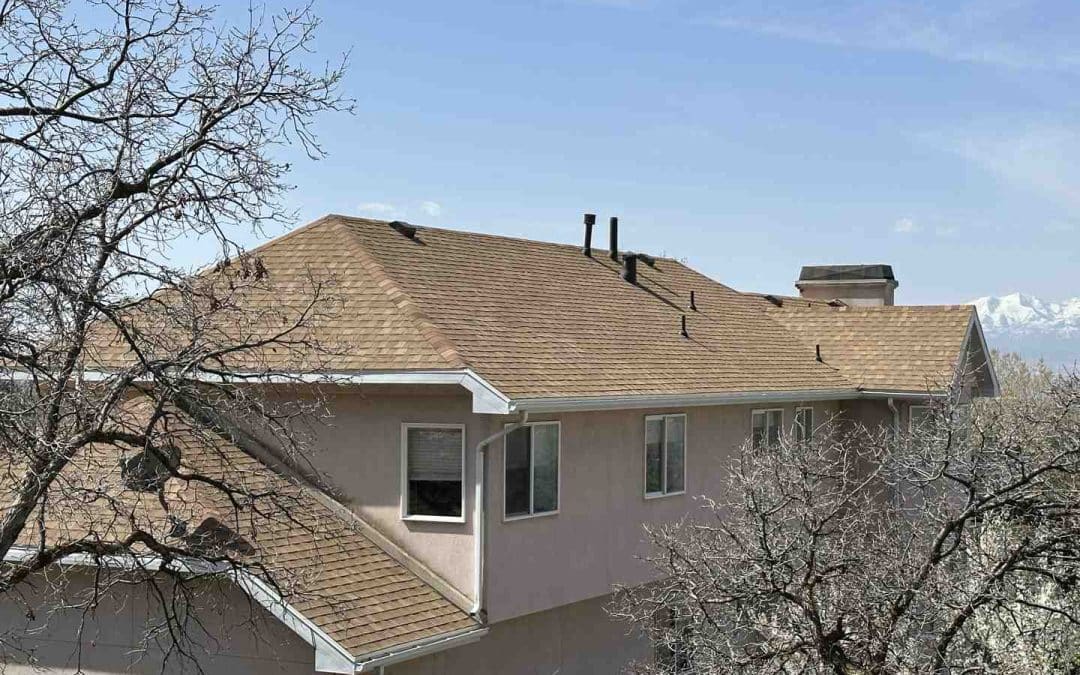
Understanding Roofing Costs in Salt Lake City
Finding quality roofing on a budget in Salt Lake City comes down to selecting cost-effective architectural shingles, collecting multiple itemized bids from licensed local roofers, and addressing repairs promptly. In the Salt Lake Valley, typical residential roof replacements range from $4,200 for smaller homes up to $11,000 for standard single-family homes, while minor leak and storm repairs typically cost between $350 and $1,200. Balancing long-term durability with upfront affordability starts with understanding how project costs are calculated across northern Utah, including roof pitch, square footage, structural accessibility, and tear-off requirements.
Roofing projects generally involve both labor expenses and material costs. Labor rates reflect the complexity of the installation, disposal fees for existing roofing materials, and safety measures required for steep slopes. In the Salt Lake Valley, material logistics also play a role, as high-grade underlayments and climate-tested shingles are necessary to withstand the region’s wide temperature swings.
Whether you need a minor flashing repair after a windstorm or a complete tear-off and re-decking, understanding the top services offered by Salt Lake City roofers ensures you invest your budget where it matters most: long-term structural protection.

Typical Repair vs Replacement Pricing from Roofers Salt Lake
Knowing the difference between minor maintenance costs and full system overhauls allows homeowners to plan their home improvement budgets effectively. The following table provides an overview of typical pricing ranges in the Salt Lake City area:
| Project Type / Home Size | Typical Cost Range | Common Inclusions | Average Timeframe |
|---|---|---|---|
| Minor Spot Repair (Any size) | $350 – $650 | Replacing 1-5 damaged shingles, resealing pipe boots, small flashing touch-ups | 2 – 4 hours |
| Moderate Storm Repair (Any size) | $650 – $1,200 | Valley leak repairs, flashing replacement around chimneys, wind-lifted section repairs | 4 – 8 hours |
| Small Home Replacement (~1,200 sq ft) | $4,200 – $7,500 | Full tear-off, synthetic underlayment, ice barrier, 3-tab or architectural shingles | 1 – 2 days |
| Standard Home Replacement (~1,700 sq ft) | $5,500 – $11,000 | Complete tear-off, drip edge, ice/water shield, architectural shingles, cleanup | 1 – 2 days |
| Large Home Replacement (~2,500+ sq ft) | $8,500 – $16,000+ | Multi-layer tear-off, upgraded architectural shingles, ridge vent installation | 2 – 4 days |
Repairing localized damage early is the most practical way to avoid premature replacements. However, when an aging roof reaches the end of its useful lifespan, a complete replacement provides greater value than ongoing, piecemeal repairs.
Key Cost Factors and Budget-Friendly Materials
Choosing the right roofing material allows you to maximize longevity without overspending. Salt Lake City homeowners generally choose between three primary material categories:
- Traditional 3-Tab Asphalt Shingles: This is the most economical upfront option. While lightweight and easy to install, 3-tab shingles carry lower wind ratings and a shorter service life in regions with heavy winter storms.
- Architectural (Laminated) Shingles: The standard choice for value-focused homeowners along the Wasatch Front. These shingles feature multi-dimensional layers that resist wind uplift, shed snow effectively, and offer a strong balance of aesthetic appeal and affordability.
- Standing Seam Metal Roofing: Offering superior lifespan and rapid snow shedding, metal systems carry a higher upfront price point but require minimal maintenance over their lifespan.
Additional variables such as tear-off fees, old decking replacement, and waste disposal also influence the total cost. Exploring a comprehensive guide to Salt Lake City roofing will help you evaluate how material choices align with your property’s specific architecture and budget.
How Salt Lake Valley Climate Impacts Your Roof Lifespan
Salt Lake City features a distinct semi-arid climate characterized by hot, dry summers and cold, snowy winters. With an average annual snowfall exceeding 50 inches in the valley and significantly more along the foothills, roofing systems undergo severe seasonal stress.
During the summer months, high-altitude ultraviolet (UV) radiation accelerates the drying of asphalt binders, which can lead to granule loss and brittle shingles. When winter arrives, the freeze-thaw cycle begins. Snow accumulates on the roof deck, melts slightly during sunny afternoons or from attic heat loss, and refreezes as evening temperatures drop.
This thermal cycling can force water beneath shingle edges, creating ice dams that back up under the roof covering and damage the underlying wooden deck. While standard asphalt roofs across the country can last up to 25 to 30 years, extreme local weather can reduce an improperly maintained roof’s lifespan by 5 to 10 years. Adequate attic insulation and balanced ridge-and-soffit ventilation are critical to moderating roof deck temperatures year-round.
How to Hire Reliable Roofers Salt Lake Homeowners Trust
Selecting the right roofing partner involves assessing safety practices, local track records, and craftsmanship standards. Because roofing is a major investment, working with an established local contractor ensures your installation meets regional building standards.
To make an informed decision, review resources on choosing the best Salt Lake roofer and gather multiple itemized estimates. A reliable contractor will evaluate your roof deck, identify existing ventilation issues, and outline clear timelines without requiring high-pressure sales tactics.
Licensing, Insurance, and Local Permitting Regulations
In Utah, professional roofing contractors must hold an active license with the Utah Division of Professional Licensing (DOPL). Always ask prospective contractors to verify the following credentials before signing an agreement:
- Active DOPL Contractor License: Confirms the business meets state competency and financial responsibility requirements.
- General Liability Insurance: Protects your home and landscaping from accidental property damage during construction.
- Workers’ Compensation Insurance: Protects homeowners from liability in the event an installer is injured on the job site.
- Local Building Permits: Salt Lake City and surrounding municipalities require building permits for structural re-roofing projects to ensure compliance with current building codes.
Warranties and Workmanship Guarantees
A new roof is protected by two distinct warranties: the manufacturer warranty on materials and the contractor’s workmanship warranty.
- Manufacturer Warranties: Typically cover factory defects in shingles, underlayments, and accessories for 20 to 50 years.
- Workmanship Guarantees: Provided directly by the contractor to cover installation errors, flashing integration, and water tightness, usually ranging from 2 to 10+ years.
Make sure you understand whether manufacturer warranties require certified installation techniques and whether the coverage is transferable if you choose to sell your home. Learning the fundamentals of professional roof installation in Salt Lake City will help you confirm that your installation satisfies every manufacturer requirement.
Spotting Storm Damage and Preventing Costly Winter Issues

High winds coming through the mountain canyons and spring hail storms can create immediate roof vulnerabilities. Identifying these issues early prevents minor surface defects from turning into costly interior ceiling repairs.
Key warning signs of storm damage include:
- Missing or Creased Shingles: Strong gusts can break shingle adhesive seals and tear shingles away from fastener lines.
- Excessive Granule Loss: Heavy hail or aging shingles lose their protective mineral granules, leaving the underlying asphalt exposed to UV breakdown.
- Dented Metal Components: Dents on valley flashing, roof vents, or drip edges often indicate hail impact across the broader roof area.
- Attic Moisture or Stains: Water stains on rafters, damp insulation, or mold spots after a storm point to active exterior leaks.
Essential Maintenance Tips from Roofers Salt Lake
Consistent maintenance preserves your roof’s integrity and extends its serviceable life across every season:
- Clear Gutters and Downspouts: Remove leaves and debris each autumn to allow melting snow to drain freely away from the eaves.
- Install Self-Regulating Heat Cables: For persistent roof valleys or cold eaves prone to ice dams, heat cables help maintain open drainage channels.
- Upgrade Attic Insulation and Air Sealing: Keep warm indoor air from warming the roof deck, reducing uneven snowmelt and subsequent refreezing.
- Trim Overhanging Branches: Keep tree limbs at least 10 feet away from the roof to avoid surface abrasion and impact damage during windstorms.
- Schedule Routine Professional Inspections: Partnering with professionals for roofing services in Salt Lake City, UT ensures flashing, boots, and sealants are inspected before winter weather arrives.
Frequently Asked Questions About Salt Lake City Roofing
What is the most cost-effective roofing material for Salt Lake homes?
Architectural asphalt shingles are generally the most cost-effective choice for Salt Lake City residential properties. They provide stronger wind resistance and better snow-load performance than standard 3-tab shingles, while remaining significantly more affordable than slate, tile, or premium standing seam metal. With regular maintenance, architectural shingles typically last 20 to 25 years in our climate.
How do local building codes affect roof replacements in Utah?
Local building codes along the Wasatch Front require specific ice-barrier membranes along roof eaves, extending at least 24 inches inside the interior wall line to guard against ice dams. Additionally, building codes restrict the maximum number of shingle layers allowed on a residential structure (typically no more than two layers, though complete tear-offs are strongly recommended for optimal weight distribution and leak protection).
How often should a Salt Lake City roof be inspected?
We recommend having your roof inspected twice a year: once in the spring to evaluate winter wear and tear, and once in the late autumn before freezing temperatures and snow arrive. You should also arrange a quick visual inspection after severe windstorms or major hail events.
Conclusion
Finding affordable, dependable roofing along the Wasatch Front does not require cutting corners on materials or craftsmanship. By choosing durable architectural shingles, maintaining proper attic ventilation, and addressing minor storm damage early, you can protect your home’s structural integrity while keeping long-term maintenance costs predictable.
When you need an experienced, family-owned team dedicated to honest pricing and reliable workmanship, turn to Heaton Bros. Roofing. We have served Salt Lake City, South Jordan, Draper, Sandy, and communities across the valley for four generations, bringing over 65 years of local roofing experience to every home we protect.