
Analyzing National Patterns in Affordable Roofing Reviews
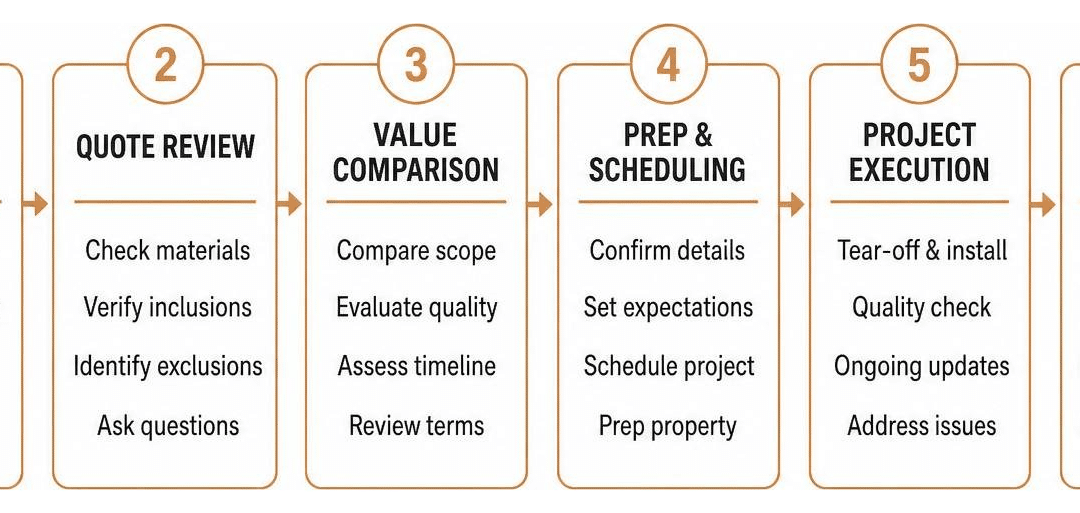
When analyzing broad national patterns in affordable roofing reviews, two distinct narratives emerge. On one hand, cost-conscious homeowners celebrate finding budget-friendly contractors who deliver prompt service and clean properties. On the other hand, negative feedback frequently centers around post-installation surprises, hidden fees, and inadequate communication. Understanding these trends helps homeowners in Salt Lake City and across the Wasatch Front evaluate whether a competitive quote represents true long-term value.
Positive Themes vs Common Complaints in Affordable Roofing Reviews
Positive feedback in affordable roofing reviews consistently highlights efficient project execution. Satisfied customers frequently praise crews capable of completing a full asphalt shingle tear-off and replacement in a single day, minimizing disruption to daily life. Other positive themes include thorough property cleanup—such as using magnetic sweeps to clear stray nails from driveways—and transparent, ongoing communication from site supervisors.
Conversely, recurring complaints point to structural and detail-oriented failures that only become apparent over time. Common issues cited in reviews include:
- Stack Pipe Boot Leaks: Improperly sealed or low-grade rubber boots around vent stacks that degrade prematurely, causing localized ceiling leaks.
- Debris and Property Damage: Trash, wood scraps, and stray nails left scattered across yards, flowerbeds, or garage spaces.
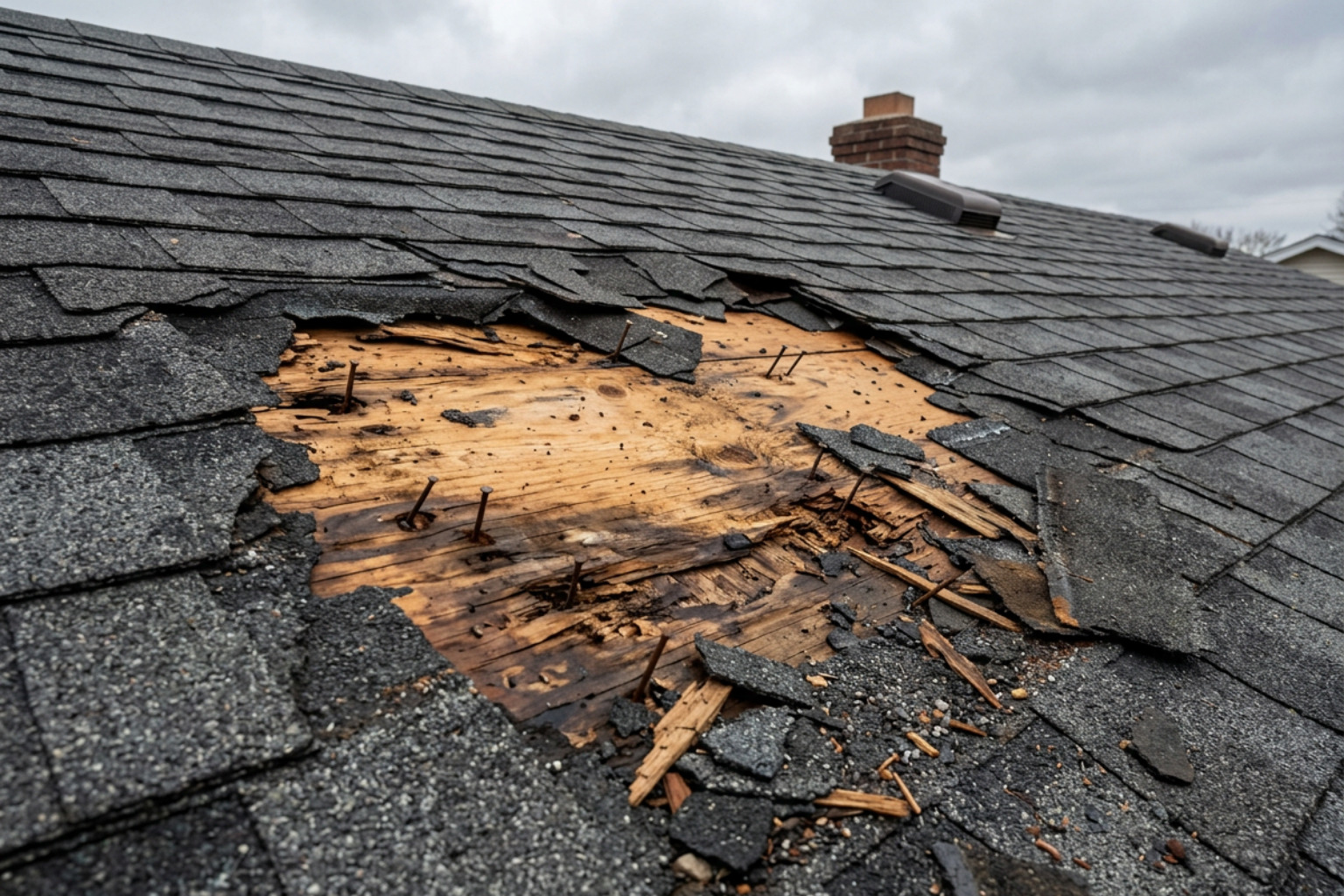
- Unaddressed Decking Damage: Installing new shingles over rotted or damaged plywood decking without notifying the homeowner or offering proper repairs.
- Scope Expansion: Unexpected bills added at the end of a project for unscheduled items like extra vents or drip edge modifications.
Homeowners looking for high value without sacrificed standards should review our guide on top 5 affordable roofing options that don’t skimp on quality.
Regional Differences: Florida, Illinois, Wyoming, and Beyond
Customer experiences and review patterns vary significantly depending on local climate demands and regional building standards. Across various markets, review data reflects how budget contractors adapt to local environment challenges:
| Region / Climate Zone | Dominant Review Focus | Common Regional Pitfalls Reported |
|---|---|---|
| High Wind & Mountain (e.g., Wyoming, Wasatch Front) | Impact resistance, wind uplift, snow load integrity | Failure to replace underlying rotted decking; poor ice dam protection |
| High Humidity & Storm (e.g., Central Florida) | Emergency tarping response, high-wind shingle sealing | Disputed insurance claim scope; delayed emergency leak repairs |
| Severe Freeze/Thaw (e.g., Illinois, Northern Utah) | Stack boot leaks, flashings, gutter drainage | Improper vent routing; ice barrier omissions leading to winter leaks |
Whether dealing with severe snowfall in Park City or high winds in Salt Lake City, regional standards demand that cost savings never come at the expense of proper flashing and weather barriers. For more details on maintaining high installation standards on a budget, read about affordable roofing without compromising quality.
Review Aggregators vs BBB Complaint Records

Relying solely on star ratings can give an incomplete picture of a roofing contractor. Aggregator review platforms often tilt positive because satisfied homeowners leave immediate feedback right after the roof looks shiny and new. However, official dispute registries like the Better Business Bureau (BBB) provide insight into how a contractor handles issues when things go wrong years later.
Independent Review Sites vs Official Dispute Logs
Independent review platforms like Angie’s List, Directorii, ProsGrade, and TrustATrader are excellent tools for gauging overall customer sentiment, crew demeanor, and initial pricing competitiveness. High average star ratings across these platforms show that a business consistently manages day-to-day customer interactions well.
However, formal dispute logs—such as those maintained by the BBB—tell a different story. Unlike star aggregators, BBB profiles record formal grievances regarding billing disputes, deposit forfeitures, material availability failures, and denied warranty claims. While raw customer reviews on BBB profiles do not directly impact a business’s letter grade rating (which is calculated using proprietary BBB criteria), the public log of complaints and company rebuttals reveals a contractor’s true commitment to customer resolution. Homeowners should explore verified client sentiment on our reviews page to see how dedicated service translates to long-term satisfaction.
Longevity Marketing vs Actual Complaint Resolution
It is common for budget roofing contractors to heavily market their longevity and BBB ratings, showcasing decades of experience and A+ ratings on marketing material. While decades in business demonstrate stability, homeowners must look closer at actual complaint volume and resolution patterns.
Key metrics to evaluate when reading complaint logs include:
- Response Promptness: Does the company respond quickly and professionally to complaints, or do they offer defensive, argumentative rebuttals?
- Pattern of Issues: Are complaints isolated incidents, or do multiple customers report identical billing add-ons and deposit retention disputes?
- Resolution Willingness: Does the contractor work toward an equitable compromise, such as replacing damaged decking or repairing a leak, or do they immediately deny responsibility based on fine-print exclusions?
To learn more about how transparent service builds lasting trust, see our article on happy homeowners happy roofs the secret to roofing customer satisfaction.
Common Billing, Deposit, and Material Supply Disputes
Billing disputes and deposit misunderstandings represent a substantial portion of negative affordable roofing reviews. Because budget roofers operate on thinner margins, disputes over unexpected scope additions, deposit retentions, and material substitutions can quickly escalate.
| Contract Risk Area | Typical Budget Roofer Pitfall | Recommended Homeowner Safety Precaution |
|---|---|---|
| Upfront Deposits | Requiring large cash deposits ($2,500+) with unclear refund clauses | Limit initial deposit; tie payments to explicit project milestones |
| Material Shortages | Retaining deposits when chosen shingle colors are backordered | Include contract clauses allowing full refund if delays exceed 30 days |
| Mid-Project Add-ons | Invoicing hundreds for unexpected decking or vent work without approval | Require written change orders signed by both parties before extra work begins |
| Site Cleanup | Leaving wood scraps, old nails, and torn underlayment on property | Detail explicit cleanup, nail sweep, and debris disposal requirements in writing |
Deposit Retention and Supply Chain Interruptions
During periods of supply chain volatility, specific asphalt shingle lines or popular shingle colors may become backordered or discontinued by manufacturers. Disputes arise when a homeowner pays a substantial deposit—such as $2,500 on a residential contract—and the contractor encounters material supply delays.
If the owner attempts to cancel due to prolonged start-date delays, some low-cost contractors attempt to retain the deposit, citing administrative costs or material hold fees. A reputable contractor will maintain open lines of communication, offer equivalent national brand substitutions in writing, or return the deposit if material delays exceed agreed-upon timeframes. For practical tips on managing cost-effective repairs without administrative headaches, review the savvy homeowner’s guide to affordable roof fixes.
Key Lessons from Affordable Roofing Reviews Before Signing a Contract
A deep dive into customer complaints reveals specific clauses every homeowner should inspect before signing a roofing agreement:
- Detailed Written Estimates: Ensure the bid outlines exact material brands, underlayment types, flashing specifications, and waste removal fees.
- Change Order Authorization: Require that any additional charges for rotted plywood decking or extra roof vents be approved in writing prior to installation.
- Building Permit & Inspection Clauses: Confirm the roofer is responsible for pulling required city permits and correcting any code violations identified by local building inspectors.
- Debris & Cleanup Requirements: Specify that the crew must conduct magnetic sweeps for stray nails and clear all job-related trash from yards, driveways, and gutters prior to final payment.
For a complete breakdown of contract preparations, consult the all-in-one guide to affordable roofing and construction.
Warranty Claims, Roof Degradation, and Ownership Transfers
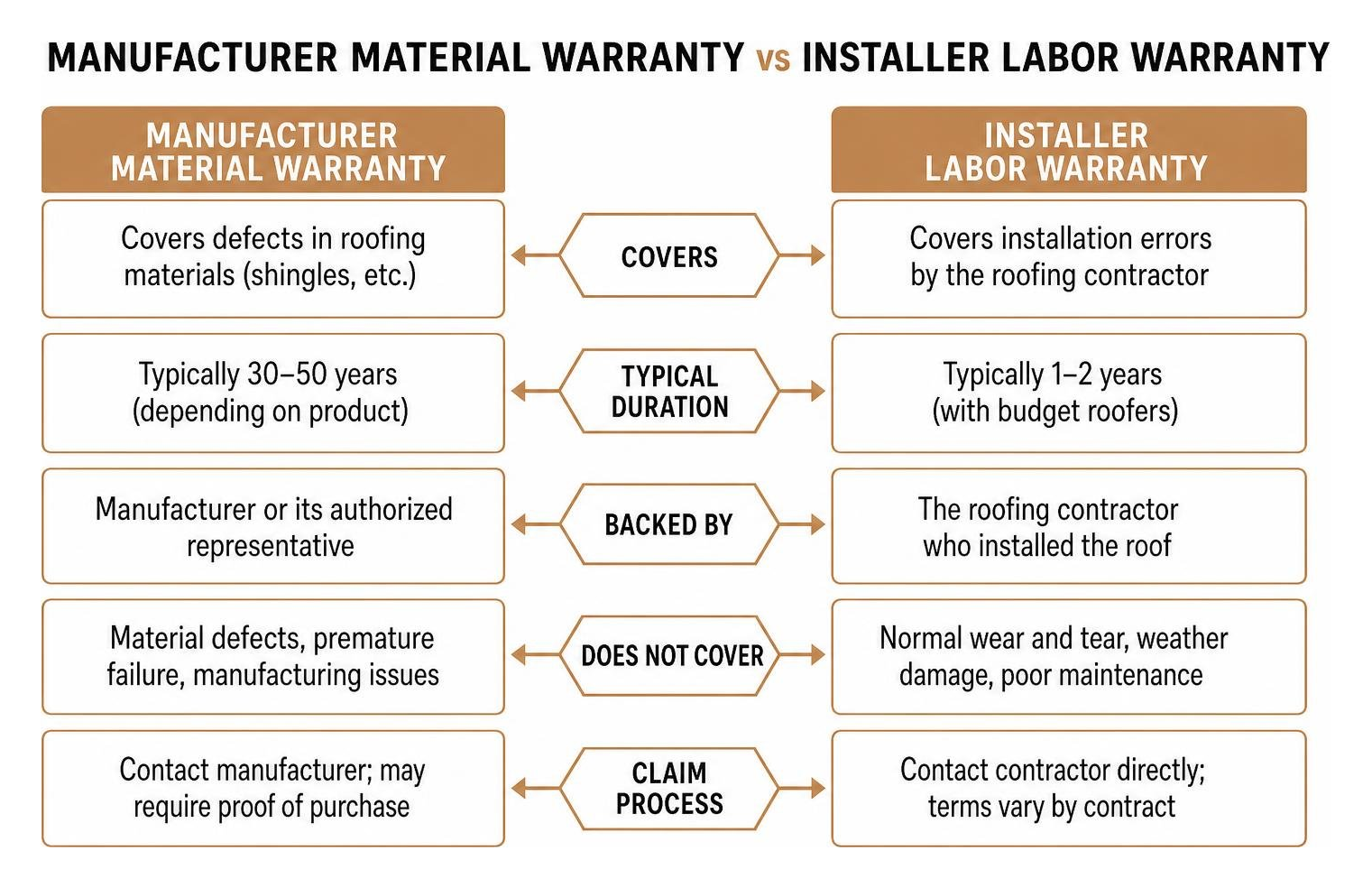
One of the most significant pitfalls revealed in negative affordable roofing reviews involves warranty coverage. Homeowners often assume that a “50-year shingle warranty” covers every repair that might arise over half a century. In reality, manufacturer material warranties and contractor workmanship warranties are entirely separate guarantees.
Workmanship vs Normal Wear and Tear Denials
A standard asphalt shingle roof carries two distinct forms of protection:
- Manufacturer Material Warranty: Covers manufacturing defects in the shingles themselves (often rated for 30 to 50 years).
- Installer Workmanship Warranty: Covers installation errors made by the crew (frequently lasting only 1 to 2 years with low-cost installers).
When leaks develop 3 to 5 years after installation, budget roofers often deny coverage by attributing the damage to “normal wear and tear,” storm damage, or existing decking rot. Reviews show that budget installers sometimes cut corners during surface preparation—nailing new shingles directly over soft or rotted plywood decking instead of replacing the wood. When the decking degrades further and causes water intrusion, contractors may disclaim liability because their short labor warranty has expired. Homeowners in Layton and across Northern Utah can read about long-lasting options in affordable roof repair in layton that actually lasts.
Transferability Pitfalls During Property Sales
Another common point of friction in affordable roofing reviews occurs when a home changes hands. Buyers frequently purchase a property assuming the recently installed roof carries full warranty protection, only to experience a leak and discover the coverage is void.
Many contractor workmanship warranties and extended manufacturer warranties do not transfer automatically to new home buyers. They often require:
- Formal written notice to the contractor within 30 to 60 days of the property closing.
- Payment of a warranty transfer fee.
- Explicit registration with the shingle manufacturer.
If these steps are missed, the new owner is left paying out-of-pocket for structural leaks or installation defects. For guidance on securing reliable contractors who stand by their warranties, see our resource on how to stop the drip with these affordable roofing contractors.
Frequently Asked Questions About Budget Roofers
Does a roofing warranty automatically transfer when buying a home?
No. Most contractor labor warranties and manufacturer extended warranties do not transfer automatically to a new home buyer upon property sale. Transferring a warranty usually requires explicit written registration with the contractor or material manufacturer within a strict timeframe (typically 30 to 60 days after closing), along with any required administrative transfer fees. Short-term installer workmanship warranties (such as 1 or 2-year labor guarantees) often expire entirely upon ownership change.
What happens if chosen shingle colors are backordered or discontinued?
If a selected shingle line or color becomes backordered or discontinued due to manufacturing interruptions, the contractor should notify the homeowner immediately in writing. The homeowner can either select an alternative color/brand of equivalent quality or wait for restocking. Contracts should specify that if a acceptable material substitution cannot be agreed upon, or if supply delays extend past a reasonable window, the homeowner retains the right to cancel the contract and receive a full deposit refund.
Can a contractor keep a deposit if work is delayed past the estimated timeframe?
Whether a contractor can retain a deposit during project delays depends on the specific language in the signed contract. If the agreement explicitly outlines an estimated start window and contains a clear cancellation clause regarding contractor-caused delays, the homeowner is entitled to a refund. However, if the contract lacks start-date guarantees or includes strict deposit forfeiture language, disputes can arise. Homeowners should never pay excessive upfront deposits and should always insist on written completion terms before issuing funds.
Conclusion

Reading affordable roofing reviews is one of the most effective steps you can take to evaluate contractor quality, spot contract red flags, and avoid common service disputes. While low estimates are appealing, real affordability is defined by durable materials, expert installation, clear contract terms, and a company that honors its warranties long after the final nail is driven.
At Heaton Bros. Roofing, our family-owned team brings over 65 years and 4 generations of experience to every project across Salt Lake City and the Wasatch Front. We believe in providing competitive, honest pricing backed by superior craftsmanship and complete customer satisfaction. Whether you need a simple roof fix, emergency leak repair, or a complete residential replacement, we are here to protect your home.