
Your First Steps After Roof Damage
Insurance claim roof repair starts the moment you find damage to your roof—whether it’s missing shingles after a windstorm, dents from hail, or water stains on your ceiling. If you’ve just found roof damage and need to know what to do right now, here’s your quick-start guide:
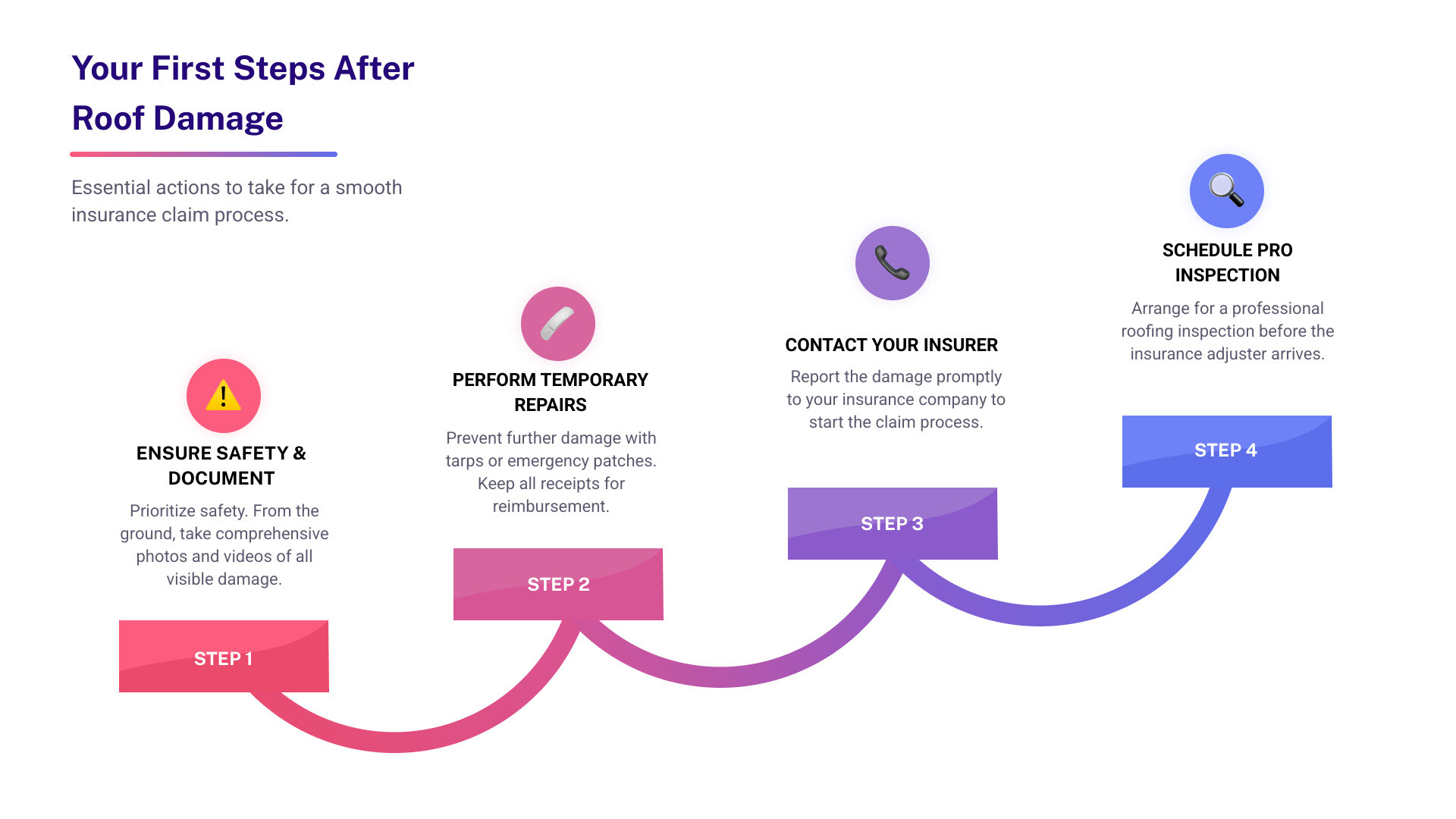
Immediate Actions After Finding Roof Damage:
- Document everything – Take photos and videos of all visible damage from a safe location
- Make temporary repairs – Prevent further damage with tarps or emergency patches (save all receipts)
- Contact your insurance company – Report the damage promptly to start your claim
- Schedule a professional inspection – Get an expert assessment before the adjuster arrives
- Prepare your documentation – Gather photos, repair receipts, and maintenance records
Most homeowners in North America have insurance, but not many truly understand their policy or how it can help with roof repairs. According to industry data, roof claims have skyrocketed over the last five years due to increased storm activity—yet many claims are denied or underpaid simply because homeowners don’t know the process.
The good news? Sudden and accidental damage from storms, wind, hail, falling trees, or fire is typically covered by standard homeowners insurance. The challenge is knowing how to steer the claim process, what documentation you need, and how to avoid common pitfalls that lead to denial.
Whether it’s a harsh Utah winter, heavy windstorm, or unexpected leak, understanding the insurance claim roof repair process can mean the difference between a smooth, successful claim and a frustrating denial. This guide will walk you through every step—from that first moment of findy to final repairs—so you can protect your home and maximize your insurance benefits.
What to Do Immediately After a Storm
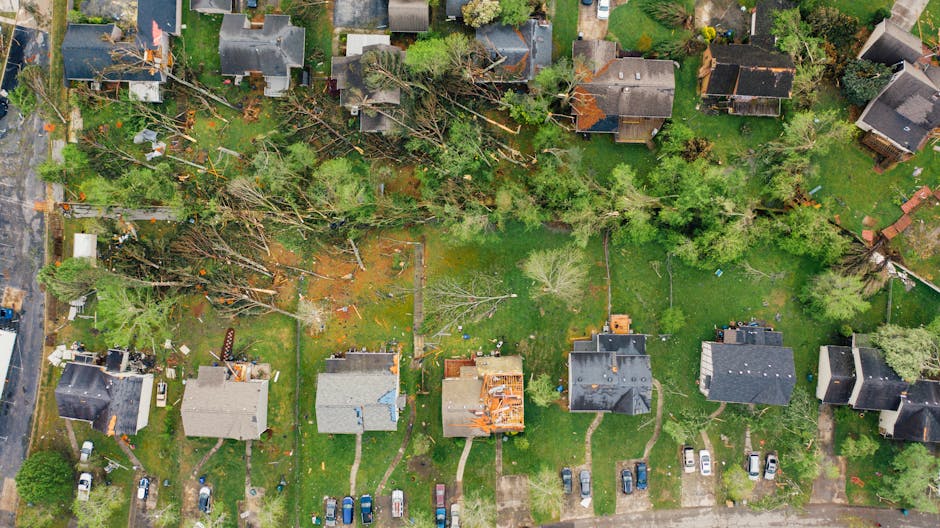
- Safety first. Check for downed power lines, live wires, or unstable structures. Assess from the ground—no DIY roof climbing.
- Take clear photos and short videos of:
- The possible source of damage (fallen limbs, blown-off shingles, hail on the ground)
- All visible exterior damage (missing or creased shingles, damaged vents/flashing)
- Any interior signs (ceiling stains, attic moisture, damp insulation)
- Make temporary repairs to stop active leaks (tarping, plastic sheeting). Save receipts—insurers typically reimburse reasonable emergency mitigation.
- Call your insurer to start the claim. Ask about your deductible and claim timeline.
- Schedule a professional roof inspection. An independent report strengthens your claim. For what to expect in a thorough inspection, see Your Guide to a Roof Inspection for Insurance Claim: NRCIA.
Preparing for the Insurance Adjuster’s Inspection
- Gather your documentation in one file:
- Photos and videos, weather date/time notes
- Temporary repair receipts
- Any prior roof maintenance or inspection records
- Clear debris from safe areas (ground-level) to make damage visible.
- Be present for the inspection. If possible, have your roofing contractor there to point out storm-related damage and code requirements.
- Have your contractor’s written report and estimate ready to share.
- Ask questions about next steps, timelines, and how supplemental items are handled if something is missed initially.
Decoding Your Policy: Is Your Roof Damage Covered?

Most Utah homeowners carry HO-3 policies, which typically cover the dwelling on an “open perils” basis (sudden, accidental events unless excluded). Understanding your coverage helps you anticipate out-of-pocket costs and avoid surprises.
Key concepts to know:
- Covered perils vs. exclusions (storm, wind, hail, fire, falling objects vs. wear-and-tear, neglect)
- Deductibles (often $500–$2,000+ or a percentage of the insured value)
- Policy limits and sublimits (for example, debris removal)
- Actual Cash Value (ACV) vs. Replacement Cost Value (RCV) payouts
- Filing deadlines and statute of limitations (often 2–6 years; check your policy and state rules)
GAF’s homeowner guide offers a plain-English overview of how roof claims typically work: Roof damage insurance claims.
Types of Damage Typically Covered by Insurance
Utah’s Wasatch Front experiences wind, hail, heavy snow, falling limbs, and the occasional wildfire smoke exposure. Most standard homeowners policies typically cover:
- Storm and wind damage (torn or creased shingles, lifted flashing, wind-driven rain after roof damage)
- Hail impact damage
- Falling objects (trees, large branches, debris)
- Fire and smoke damage, and water damage from firefighting
- Vandalism or accidental impact
For a succinct overview of roof leaks and covered causes, see Allstate’s guide: Roof leaks and what’s covered. Debris removal often is included—but may have a sublimit after debris is off the roof. Learn more about debris removal nuances: Tree damage to roof: when does debris removal sublimit apply?
Understanding Common Exclusions and Limitations
Insurers typically do not cover:
- Wear and tear or aging materials (granule loss, brittle shingles)
- Neglect or poor maintenance (e.g., clogged gutters causing ice dams)
- Long-term or “slow” leaks and damage from poor ventilation
- Growths such as moss that indicate prolonged moisture
- Improper installation or code violations
- Certain regional exclusions or special deductibles (wind/hail riders)
Allstate reiterates a key principle: insurance usually covers sudden, unexpected events—not gradual deterioration: Roof leaks and coverage basics.
How the Age of Your Roof Affects Coverage
Many carriers reduce coverage for older roofs (often at or past the 20-year mark), switching from RCV to ACV. That means you may only receive the depreciated value of the roof—especially if its condition is poor or maintenance was lacking.
- Roofs typically last 15–50 years depending on material and workmanship.
- Insurers may require proof of maintenance to consider full replacement on older systems.
- Older roofs are more likely to be reimbursed at depreciated value (ACV) rather than full replacement cost (RCV). See Allstate’s note on age-based reimbursement: How roof age can affect coverage.
The Ultimate Guide to the Insurance Claim Roof Repair Process
Here’s the process we guide our Utah neighbors through, from Salt Lake City to Ogden, Provo, and across the Wasatch Front:
- Report the loss to your insurer and obtain a claim number.
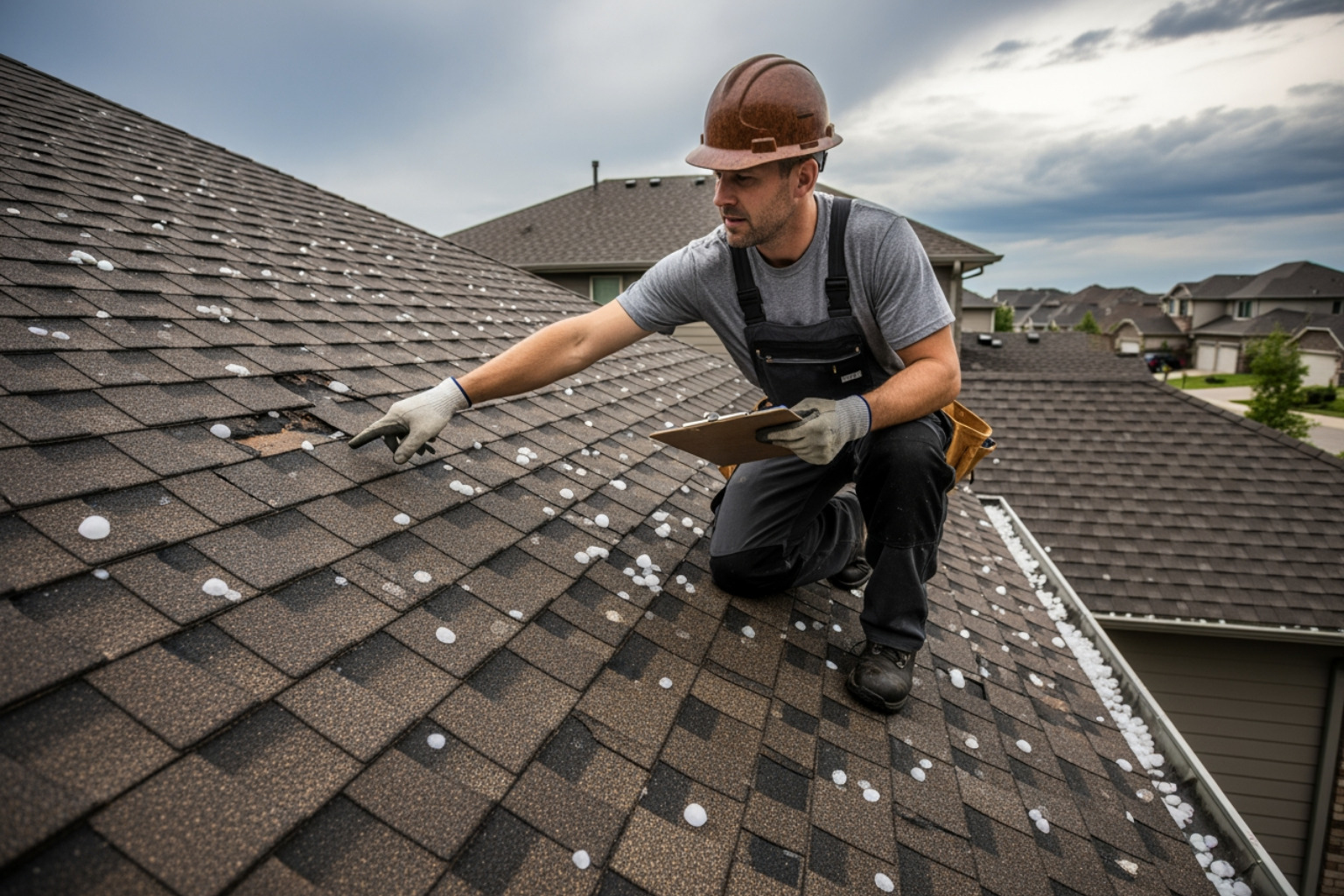
- Schedule a professional inspection and get a written report with photos.
- Meet the adjuster; have your roofer present if possible.
- Compare the insurer’s scope with your roofer’s estimate. If items are missing, ask your contractor to submit supplements.
- Once approved, schedule repairs. If you have RCV, “recoverable depreciation” is usually paid after work is completed.
- Keep all documentation organized—photos, invoices, permits—for final payment.
For a step-by-step homeowner walkthrough, see GAF’s guide: Roof damage insurance claims.
Key Documentation for Your Insurance Claim Roof Repair
In our experience, thorough documentation is the fastest path to approval and a fair settlement:
- Photos and videos (exterior and interior)
- Your contractor’s inspection report and repair estimate
- Weather reports for the date of loss (hail/wind)
- Maintenance records (gutter cleaning, prior repairs, inspections)
- Receipts for temporary repairs, tarps, or mitigation
- Home inventory details if interior property was damaged
Tip: Label photos by area (back slope, north slope, ridge, etc.) and tie them to the date/time. The adjuster will thank you.
ACV vs. RCV: Understanding Your Payout
The type of policy you have significantly affects your out-of-pocket costs.
ACV (Actual Cash Value)
- Pays the depreciated value of your roof at the time of loss
- Often results in a lower payout (ACV policies are often 20–25% less than RCV when depreciation is figured)
- You pay the difference to get a new roof
- Good to know: see Actual Cash Value
RCV (Replacement Cost Value)
- Pays the cost to replace damaged materials with new, minus your deductible
- Typically paid in two checks: initial payment, then “recoverable depreciation” after the work is completed
- More comprehensive coverage for full replacement
- Learn more about RCV basics here: Replacement Cost Value
Deductibles in Utah are commonly a fixed dollar amount (e.g., $500–$2,000+) or sometimes a percentage of your insured value. Insurers usually subtract your deductible from the settlement amount when issuing payment.
The Role of a Professional Roofer in Your Claim
A seasoned local roofer can be the difference between a patch and a proper fix:
- Expert damage assessment: Distinguishes storm damage from wear-and-tear
- Accurate, code-compliant estimates: Includes underlayment, flashing, ventilation, ice/water shielding where required
- Adjuster meeting: Points out storm impacts, helps align scope with real-world repairs
- Advocacy and supplements: Adds missed items (e.g., ventilation upgrades, drip edge, code-required components)
Working with certified professionals matters. Manufacturer-certified roofers and independent inspectors with credentials (for example, NRCIA-certified inspectors) bring standardized reporting, ethical guidelines, and credibility in the claims process. See what a thorough inspection entails: NRCIA’s inspection guide.
Navigating Claim Denials and Common Pitfalls
Even valid claims can get tripped up by missing documentation, unclear causation, or policy details.
Common Reasons for a Denied Insurance Claim Roof Repair
- Damage attributed to wear and tear or aging (not a sudden event)
- Lack of maintenance or evidence of neglect (clogged gutters, moss, long-term leaks)
- Improper installation identified by the adjuster or engineer
- Damage doesn’t exceed your deductible
- Claim filed too late or after the statute of limitations (policies and jurisdictions vary; commonly 2–6 years)
- Cosmetic-only hail damage that doesn’t affect performance (depends on policy)
Debris removal is often covered, but sublimits may apply once debris is removed from the roof. Keep an eye on line items like disposal fees and code-required upgrades.
What to Do If Your Claim Is Denied
- Request the denial in writing. Ask for the specific policy language cited.
- Re-read your policy. Confirm covered perils, exclusions, deductibles, and timelines.
- Get a second opinion. An independent, certified inspection can clarify damage origin and extent.
- Submit an appeal with new evidence. Include additional photos, a detailed contractor report, and any relevant weather data.
- If needed, escalate. Utah homeowners can review guidance and contacts here: Home Claims Information | Utah Insurance Department
For a general consumer primer on claims process and rights, this resource outlines best practices for documentation and dispute steps: Residential Property Claims Guide. Always verify processes and rights with Utah’s regulations and your own policy.
Proactive Measures: Maintenance, Upgrades, and Your Insurance
Good news—prevention and smart upgrades can reduce surprises and sometimes help with premiums.
- Schedule routine inspections, especially after severe wind or hail. Many Utah roofs take a beating from spring winds and winter freeze-thaw cycles.
- Maintain clear gutters and downspouts, trim overhanging limbs, and ensure attic ventilation is up to code. Insurers look favorably on well-maintained roofs.
- Consider impact-resistant shingles (UL 2218 Class 3 or 4). Some carriers offer discounts for lower-risk roofing systems.
- Explore the FORTIFIED Roof standard for resilience against high winds and severe weather. Incentives vary: fortifiedhome.org/incentives. Note: Insurance discounts, grants, and incentives are not guaranteed and vary by provider and state.
Know your costs to make smart decisions:
- A new roof averages about $8,500 nationally, though Utah jobs vary by size, pitch, and material
- Re-roofing can run $10,000+ depending on size and materials
Source: HomeAdvisor – install a new roof
Also consider lifespan:
- Asphalt shingles: commonly around 20 years (architectural varieties can last longer)
- Metal: up to 50 years
- With material and workmanship together, roofs generally last 15–50 years, which insurers consider when deciding ACV vs. RCV and depreciation.
Frequently Asked Questions about Roof Repair Insurance Claims
Can I choose my own roofing contractor for an insurance claim?
Yes. You have the right to choose a licensed and insured local contractor. Your insurer may recommend vendors, but you are not obligated to use them. We recommend choosing an experienced Utah roofer who handles insurance claim roof repair regularly and understands local codes from Bountiful to Draper, Ogden to Provo.
What’s the difference between a roofer’s estimate and the insurance adjuster’s scope of work?
- A roofer’s estimate reflects the full, code-compliant cost to restore your roof to pre-loss condition, including necessary line items (underlayment, ice/water shield, flashings, ventilation, permits, disposal).
- The adjuster’s scope is what the insurance carrier initially agrees to pay based on their assessment. It may miss components or code items. Your contractor can submit a supplement with documentation to align the scope with real-world repair requirements.
Will my insurance premiums go up if I file a roof claim?
It depends on your carrier and claim history. One weather-related claim (a no-fault event) doesn’t automatically raise premiums, but multiple claims in a short period can impact rates or renewal. This varies by provider and underwriting practices in Utah. Consider your deductible and the scope of damage before filing.
How long do I have to file a roof claim?
Policies differ, but many require prompt reporting and set deadlines for filing and completing repairs. Statutes of limitations for claims typically range from two to six years. Don’t wait—document, mitigate, and call both your insurer and a roofer as soon as possible.
What if only part of my roof is damaged?
Your insurer will assess whether partial repairs or full replacement are warranted. Safety, code requirements, and availability of matching materials factor in. If a full replacement is needed to restore uniform performance and appearance (and meet code), your contractor can document why.
Does homeowners insurance cover roof leaks?
If the leak results from a sudden, covered event (wind damage, hail impact, a fallen limb), it’s often covered. Leaks from age, wear, or maintenance issues usually are not. More here: Allstate – roof leaks and coverage basics.
Will insurance cover debris removal and interior repairs?
Debris removal is commonly included, but sublimits may apply once debris is off the roof. Interior damage tied to the covered roof incident (like ceiling repairs or flooring) often is covered under your policy’s dwelling or personal property lines—save receipts and document thoroughly.
What’s the difference between ACV and RCV again?
- ACV pays the depreciated value of your roof at the time of loss.
- RCV pays today’s replacement cost, minus your deductible, often in two payments (initial plus recoverable depreciation after completion).
See Actual Cash Value and Replacement Cost Value.
Should I have my roofer meet the adjuster?
If possible, yes. Adjusters aren’t roof installers, and Utah’s local codes and weather demands can be nuanced. A roofer’s presence helps ensure all legitimate storm-related damage and code-driven work is identified and documented at the first visit.
Get Your Roof Right with Expert Help
Success with insurance claim roof repair comes down to three things: clear documentation, prompt action, and the right professional partner. We’ve helped Utah homeowners for over 65 years—from Salt Lake City and West Jordan to Park City, Layton, Logan, and beyond—repair storm damage and steer claims with confidence.
- Document the damage and mitigate quickly.
- Understand your policy (perils, exclusions, deductibles, ACV vs. RCV).
- Bring a trusted local roofer into the process early to assess damage, meet the adjuster, and produce a thorough, code-compliant scope.
When you’re ready, we’re here to help. Explore our services and book a roof inspection at Heaton Bros. Roofing: roof repair services.