
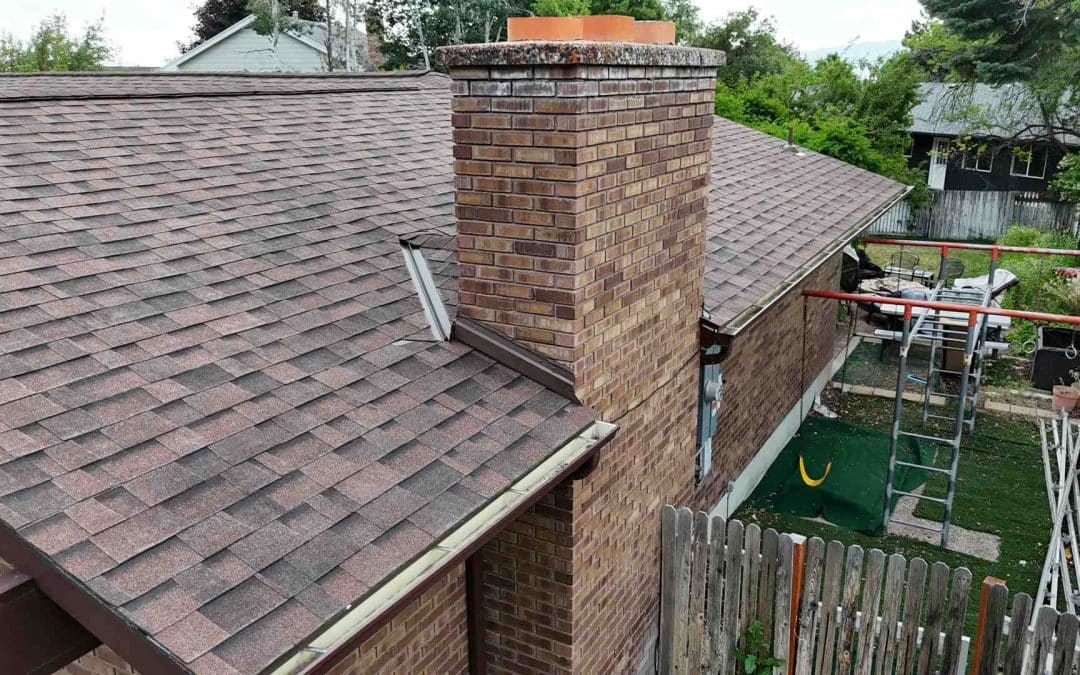
Why Storm Damage Roofing Demands Your Immediate Attention
Storm damage roofing involves repairing or replacing your roof after severe weather like wind, hail, or heavy rain. If your roof is damaged, you must act quickly.
Quick Action Checklist:
- Stay safe – Don’t climb on your roof.
- Document everything – Take photos from the ground and inside your attic.
- Call your insurance – Report the damage promptly.
- Get a professional inspection – Have a licensed roofer assess the full extent of damage.
- Act fast – Delays can lead to leaks, mold, and denied insurance claims.
For Utah homeowners, severe weather is a reality. The 2020 windstorm in Salt Lake and Davis counties caused millions in damage, and with frequent high winds, storm damage is a matter of when, not if. Nationally, the costs are staggering. In 2021, the average homeowner hail claim exceeded $12,000. A small crack in a shingle can quickly escalate into a major leak, causing interior water damage, mold, and costly structural problems.
Fortunately, with the right knowledge and a trusted local roofer, you can steer storm damage roofing effectively. This guide covers everything from spotting damage to filing insurance claims and choosing the right solution for your home.
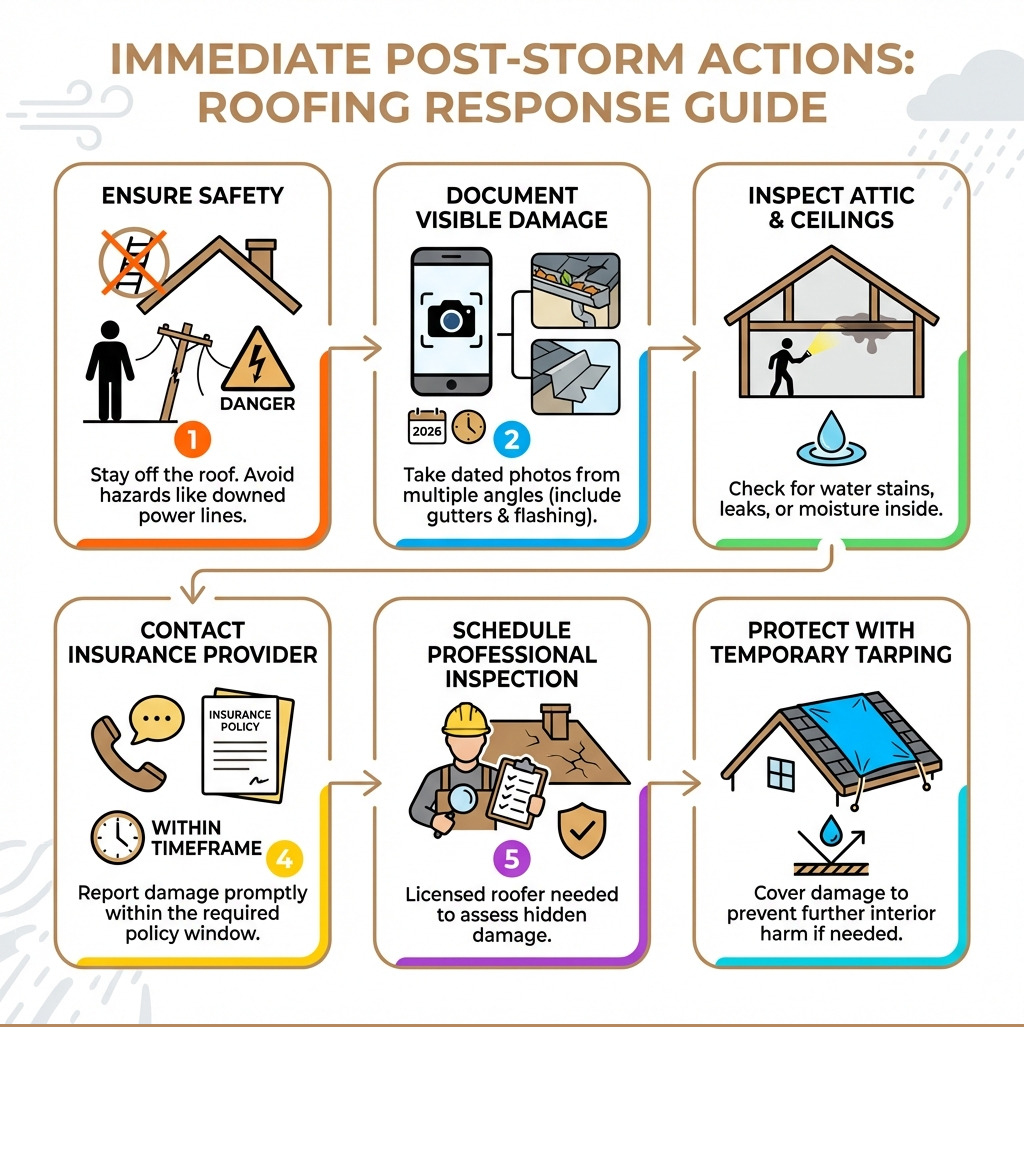
Immediate Actions & Damage Assessment After a Storm
After a storm in Utah, from Salt Lake City to Park City, safety is the top priority. Avoid downed power lines and never climb on a potentially unstable roof. Your safety is paramount.
Once it’s safe, these steps can significantly impact your repair process and insurance claim:
- Prioritize Safety: Leave high-up inspections to professionals. A damaged roof can be unstable and dangerous.
- Document Everything: Use your phone to take clear, date-stamped photos and videos of all visible damage from the ground. Look for missing shingles, dented gutters, and debris. Check your attic and ceilings for leaks or water stains. This documentation is vital for your insurance claim.
- Prevent Further Damage: Use buckets to contain active leaks. For severe damage, temporary tarping may be needed to protect your home’s interior. In some emergencies, programs like Operation Blue Roof provide temporary sheeting at no cost.
- Contact Your Insurance Provider: Notify your insurance company as soon as possible, as most policies have time limits for filing claims.
- Schedule a Professional Inspection: This is a critical step. A professional roofer from Heaton Bros. Roofing can conduct a thorough inspection to identify all hidden damage and provide an accurate repair estimate.
Neglecting roof damage leads to a cascade of problems, including interior water damage, harmful mold growth, and structural issues. Don’t let a small problem become a catastrophe. For more tips, see our guide on Protecting Your Home from Storm Damages and GAF’s post-storm resources: What to do after a storm damages your roof.
Early Signs of Roof Storm Damage
Subtle signs can indicate serious underlying problems. Here are the early signs of storm damage roofing to look for:
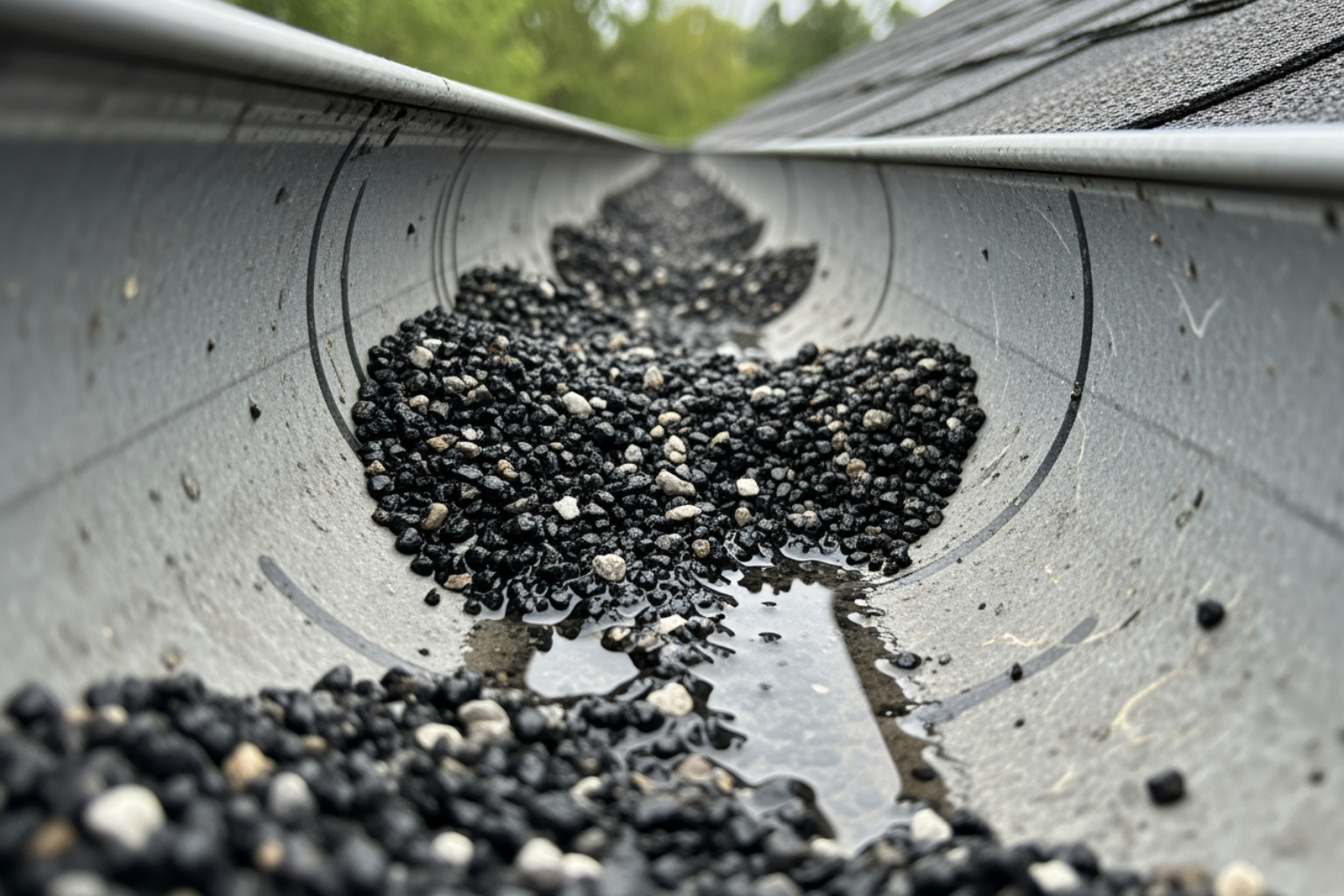
- Granule Loss: Finding sand-like shingle granules in gutters means your shingles’ protective layer is compromised.
- Missing Shingles: High winds can rip shingles off, exposing the underlayment. This is often visible from the ground.
- Curled or Lifted Shingles: Wind can break shingle seals, causing them to curl or lift and allow water underneath.
- Dented Gutters: Dents in metal gutters and downspouts from hail suggest your roof likely has hail damage too.
- Damaged Flashing: Wind and hail can lift, bend, or crack the metal strips around chimneys and vents, creating entry points for water.
- Debris on Roof: Branches and other debris can scrape or puncture shingles.
- Leaks in Attic or Ceilings: Water spots or drips are an urgent sign that water has already penetrated your roof system.
Common Types of Storm Damage
Utah roofs face a variety of challenges. Here are the most common types of storm damage roofing we see:
- Wind Damage: High winds (gale-force 39-54 mph; hurricane-force 74+ mph) can lift, tear, or remove shingles and damage flashing, creating structural concerns.
- Hail Damage: Even small hail can cause dents, cracks, and granule loss on shingles. The damage can be substantial, with the average homeowner hail claim exceeding $12,000.
- Water Damage: Often resulting from wind or hail damage, water penetration can lead to leaks, rot, and extensive interior issues.
- Debris Impact: Falling branches or airborne objects can puncture or scrape your roof, causing structural damage.
- Structural Issues: In severe cases, extreme wind or heavy impact can compromise your roof’s underlying structure, including trusses and decking.
- Mold Growth Potential: Any water intrusion creates a breeding ground for mold and mildew, which can cause health issues and further property damage.
Understanding Wind and Hail Damage to Your Roof
Wind and hail are two of the most formidable adversaries your roof can face. Understanding how they inflict damage is key to protecting your home.
Several factors influence how much punishment your roof can take:
- Roof Age: Older roofs (over 10-15 years) are more brittle and vulnerable.
- Roof Pitch: The slope affects how wind and hail interact with the surface.
- Material Type: Different materials have varying degrees of resistance.
- Wind Speed and Direction: Sudden gusts or wind blowing against the shingle grain can cause more damage.
- Hail Size and Shape: Larger, irregular hail delivers more impact force.
How Wind Affects Different Roofing Materials
Utah’s unique geography creates distinct and powerful wind patterns. Understanding wind’s impact on your specific roofing material is crucial.
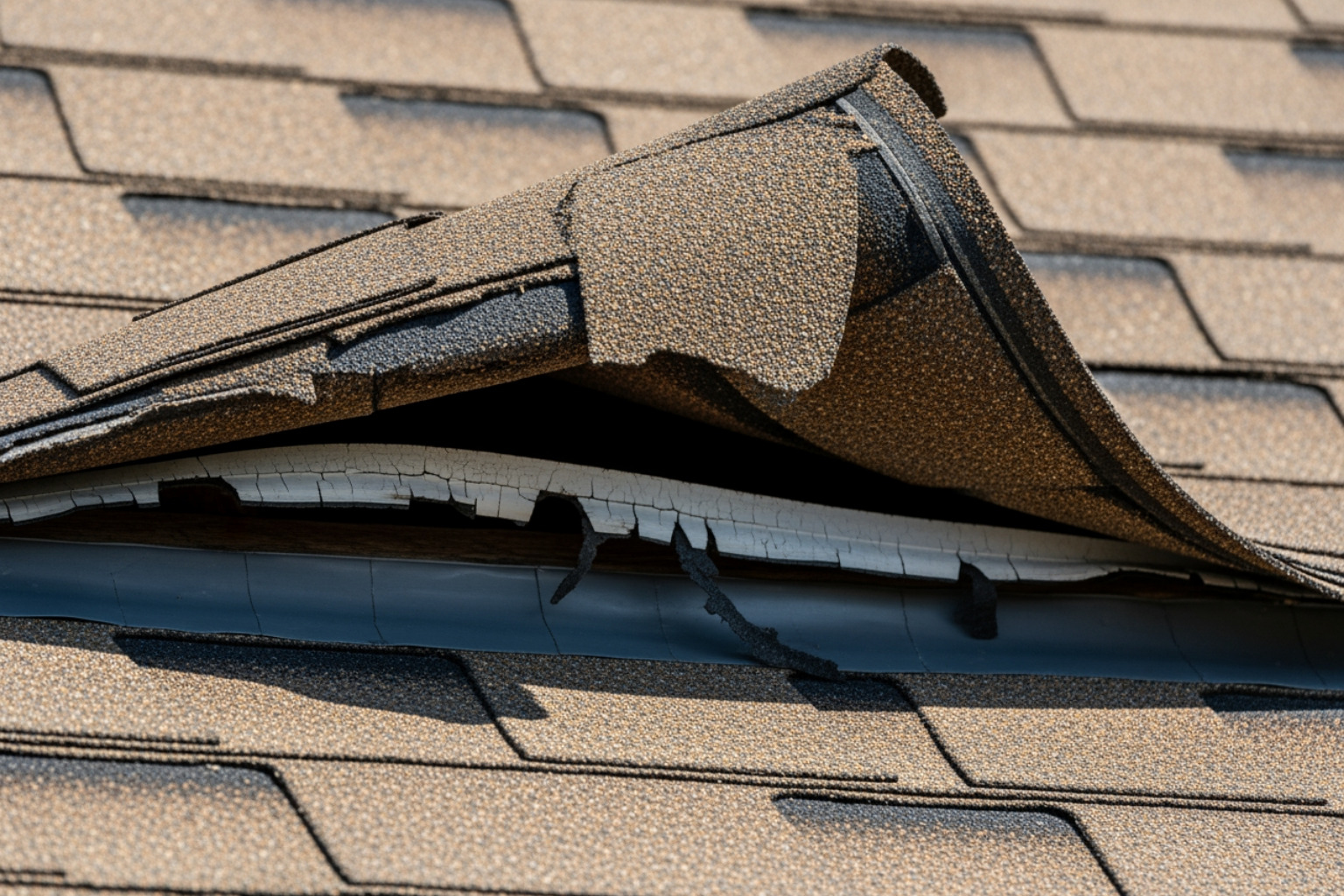
- Asphalt Shingles: High winds can break seals, causing shingles to lift, curl, or tear off. This allows wind-driven rain to penetrate underneath. Damage can occur at speeds as low as 45 mph, with catastrophic failure possible at 75+ mph.
- Metal Roofing: While durable, extreme winds can lift panels, loosen fasteners, or cause dents from airborne debris.
- Tile Roofing (Clay or Concrete): High winds or debris can dislodge, crack, or break tiles, exposing the underlayment to water.
- Other Materials: Wood shakes can split or detach, and flat roof membranes can lift during severe wind events.
Regular inspections after major windstorms are essential to catch subtle damage. For more on wind classifications, like hurricane-force winds (74 mph or greater), refer to the National Hurricane Center.
Key Signs of Hail Damage
Hailstorms can cause lasting, insidious damage. Recognizing the signs is crucial for timely repairs and successful insurance claims.
Here’s what we look for when assessing hail damage:
- Bruising on Shingles: Hail can depress the shingle mat, creating a “bruise” that weakens it and leads to premature aging.
- Dents or Pockmarks: On asphalt shingles, hail leaves dark spots where granules have been knocked off, exposing the asphalt to UV rays.
- Cracks in Roofing Material: Larger hail can cause cracks in shingles, creating direct pathways for water.
- Granule Loss: Finding excessive granules in gutters is a strong indicator of hail damage.
- Dented Vents and Flashing: Dents on metal roof components are excellent indicators of hail size and severity.
- Damage to Other Property: Dents on your car or patio furniture are a good sign your roof is also damaged.
A professional inspection is often necessary, as hail damage can be subtle. The average homeowner hail claim is over $12,000, highlighting the severity of this issue. Learn more in our resource: Understanding Hail Damage and How to Navigate Insurance Claims.
Your Guide to Storm Damage Roofing Solutions: Repair vs. Replacement
After a storm, you’ll face a critical decision: repair or replace your roof? A professional inspection from a reputable company like Heaton Bros. Roofing is paramount to making an informed choice. We assess the full extent of the damage and consider several factors:
- Damage Extent: Is the damage localized to one area or widespread?
- Roof Age: An older roof (15-20+ years) with storm damage is often a better candidate for replacement.
- Cost-Effectiveness: Sometimes, extensive repairs can cost nearly as much as a new roof.
- Long-Term Value: A new roof increases home value, improves energy efficiency, and comes with a new warranty.
We specialize in all aspects of storm damage roofing, from minor repairs to complete replacements. You can learn more about our approach in our Category: Storm Damages.
When to Repair Your Storm-Damaged Roof
Repair is often the most cost-effective solution for localized damage. We recommend repair when:
- Damage is Localized: Only a small section of the roof is affected.
- Few Shingles are Missing: The storm dislodged a handful of shingles without widespread issues.
- Flashing has Minor Issues: Small bends or cracks in flashing can be easily sealed or replaced.
- Roof is New: If your roof is relatively new (under 10 years) and damage is minimal, a repair preserves its lifespan.
- It’s a Cost-Effective Solution: The repair cost is significantly less than a replacement and fully restores the roof’s integrity.
Roof repair fixes specific damaged areas. This is different from roof restoration, a more extensive process of reinforcing an entire roof to extend its life. For storm damage, repair or replacement is typically the necessary solution.
When a Full Roof Replacement is Necessary
A full replacement is a larger investment but often the best long-term solution after severe storm damage. We advise replacement when:
- Damage is Widespread: Hail or wind has damaged a large percentage of the roof.
- There are Multiple Leaks: Leaks in different areas indicate a failing roof system.
- The Roof is Old (Over 15-20 Years): Patching an old, damaged roof is often a temporary fix before other sections fail.
- There is Structural Damage: If the storm compromised the underlying decking or trusses, a replacement is essential for safety.
- Insurance Approves It: If damage is extensive, your insurance company will often approve a full replacement.
Here’s a quick comparison to help you weigh your options:
| Feature | Roof Repair | Roof Replacement |
|---|---|---|
| Damage Type | Localized, minor damage | Widespread, severe, or structural damage |
| Cost | Generally lower upfront | Higher upfront, but long-term savings |
| Lifespan | Extends life of existing roof by addressing issue | New full lifespan, new warranty |
| Insurance | Often covered for specific damage | Often covered for catastrophic damage, depending on policy |
| Home Value | Maintains existing value | Significantly increases home value |
| Peace of Mind | Restores functionality for specific area | Comprehensive protection, worry-free for years |
Our team provides an honest assessment to protect your home’s long-term health.
Navigating the Aftermath: Insurance Claims and Hiring a Pro
Dealing with storm damage roofing is stressful, but navigating insurance claims and hiring a contractor doesn’t have to be. Our experience helping homeowners across Utah, from Lehi to Ogden, means we know the process inside and out.
When your insurance adjuster inspects the damage, we highly recommend having your roofing contractor present. Our team can point out subtle damage an adjuster might miss, advocating for your home’s full recovery and ensuring an accurate evaluation.
Throughout this phase, keep detailed records of all communications, photos, and estimates. Be wary of “storm chasers”—out-of-state contractors who appear after a storm with promises of quick fixes. They may lack proper licensing and insurance, and their work is often subpar. Always vet your contractors carefully.
Filing a Successful Insurance Claim for Storm Damage Roofing
Filing a claim is what your homeowners insurance is for. Here’s a simplified guide:
- Contact Your Provider Promptly: Call your insurance company as soon as you identify potential damage to meet policy deadlines.
- Review Your Policy: Understand your coverage, deductible (especially for wind/hail), and whether you have an Actual Cash Value (ACV) or Replacement Cost Value (RCV) policy. ACV pays the depreciated value of your roof, while RCV covers the full replacement cost minus your deductible. Your first check is often the ACV amount, with the rest paid after work is complete.
- Document Everything: Photos, videos, and a detailed list of damages are crucial for strengthening your claim.
- Get a Professional Estimate: Our team provides a comprehensive inspection report and detailed estimate for your insurance company.
- Meet with the Adjuster: We strongly encourage having us present during the adjuster’s inspection to ensure all damage is accounted for.
- Don’t Settle for Less: If a claim is denied or the offer seems low, you can request a second opinion from another adjuster or hire a public adjuster. Filing a claim for storm damage is a covered loss and should not necessarily increase your premiums.
What to Look for in a Storm Damage Roofing Contractor
Choosing the right contractor is one of your most important decisions. A reputable roofer not only fixes your roof but also helps you steer the entire process.
- Local and Licensed: Choose an established, licensed Utah contractor. Heaton Bros. Roofing is a 4th-generation, family-owned company rooted in the community.
- Proof of Insurance: Verify the contractor has both liability insurance and workers’ compensation to protect you from liability.
- Written Estimates: Demand a detailed written estimate outlining the scope of work, materials, timeline, and cost.
- Strong Warranties: A trustworthy contractor offers warranties on both materials and workmanship.
- Positive Reviews and References: Check online reviews and ask for local references.
- Experience with Insurance Claims: A contractor experienced with insurance claims can help you get a fair settlement.
- Services Offered: A good storm damage contractor offers emergency tarping, thorough inspections, repair, replacement, and insurance claim assistance.
When you choose us, you partner with a team that has over 65 years of experience in quality, affordable roof repairs and replacements.
Proactive Protection: Preparing Your Roof for Future Storms
While we can’t control the weather, we can prepare our roofs for Utah’s storms. Proactive measures can significantly reduce the risk of storm damage roofing, saving you stress and money.
Here are the preventative steps we recommend:
- Regular Inspections: Your first line of defense. We recommend professional roof inspections at least once a year and after any major storm to catch minor issues before they become major problems.
- Gutter Maintenance: Keep gutters and downspouts clean. Clogged gutters cause water to back up under shingles, leading to leaks and rot.
- Trimming Overhanging Trees: Branches can scrape shingles or fall during high winds, causing severe damage. Regularly trim trees near your home.
- Consider Impact-Resistant Shingles: If you live in a hail-prone area, these shingles offer an extra layer of protection.
- Reinforcing Roof Decking: For older homes, reinforcing the roof deck improves its resistance to wind and impact, often done during a roof replacement.
- Understand Your Roof’s Warranty: Know what your warranty covers and what it doesn’t, as regular maintenance can be a condition.
These steps provide peace of mind when the next storm rolls through. For more details, read our Preparing Your Roof for Extreme Weather: A Homeowner’s Guide.
Conclusion
Navigating storm damage roofing is challenging, but with the right knowledge and a trusted partner, you can protect your home. We’ve covered the crucial steps: recognizing damage, making informed repair or replacement decisions, and successfully filing insurance claims.
The key takeaways are:
- Act Promptly: Delays lead to more damage and potential claim denials.
- Prioritize Safety: Never inspect severe damage yourself.
- Document Thoroughly: Photos and records are essential for insurance.
- Seek Professional Help: An expert inspection is invaluable for assessing damage and ensuring quality repairs.
- Be Proactive: Regular maintenance can mitigate future risks.
Heaton Bros. Roofing is a 4th-generation, family-owned company serving Utah communities from Salt Lake City to West Jordan for over 65 years. We understand our local weather challenges and are dedicated to providing quality, affordable solutions with reliability and customer satisfaction.
Don’t let storm damage compromise your home. If your roof has been impacted by a storm, we’re here to help.
Contact us for a free storm damage inspection today, and let us help you protect your most valuable asset.