

Reliable Roofing in Salt Lake City Starts With Climate-Ready Choices
For reliable roofing Salt Lake City homeowners should choose a material and installation system built for strong sun, freeze-thaw swings, snow, and ice dams. Start with a professional inspection, check attic ventilation and insulation, and hire an insured local contractor who provides a clear written estimate and workmanship warranty.
Salt Lake City’s high-elevation sun can dry and weaken aging asphalt shingles, while winter snow and melting ice can strain flashing, gutters, and roof edges. Architectural asphalt shingles are a common, cost-conscious option; standing-seam metal can offer excellent snow shedding and long service life. The best fit depends on your roof pitch, budget, ventilation, and the condition of the existing roof deck.
At Heaton Bros. Roofing, we provide roof repairs, full replacements, and storm-damage assessments for roofing Salt Lake City homes. Our experienced team focuses on clear communication, proven asphalt shingle systems, and work designed to protect your property through every season.
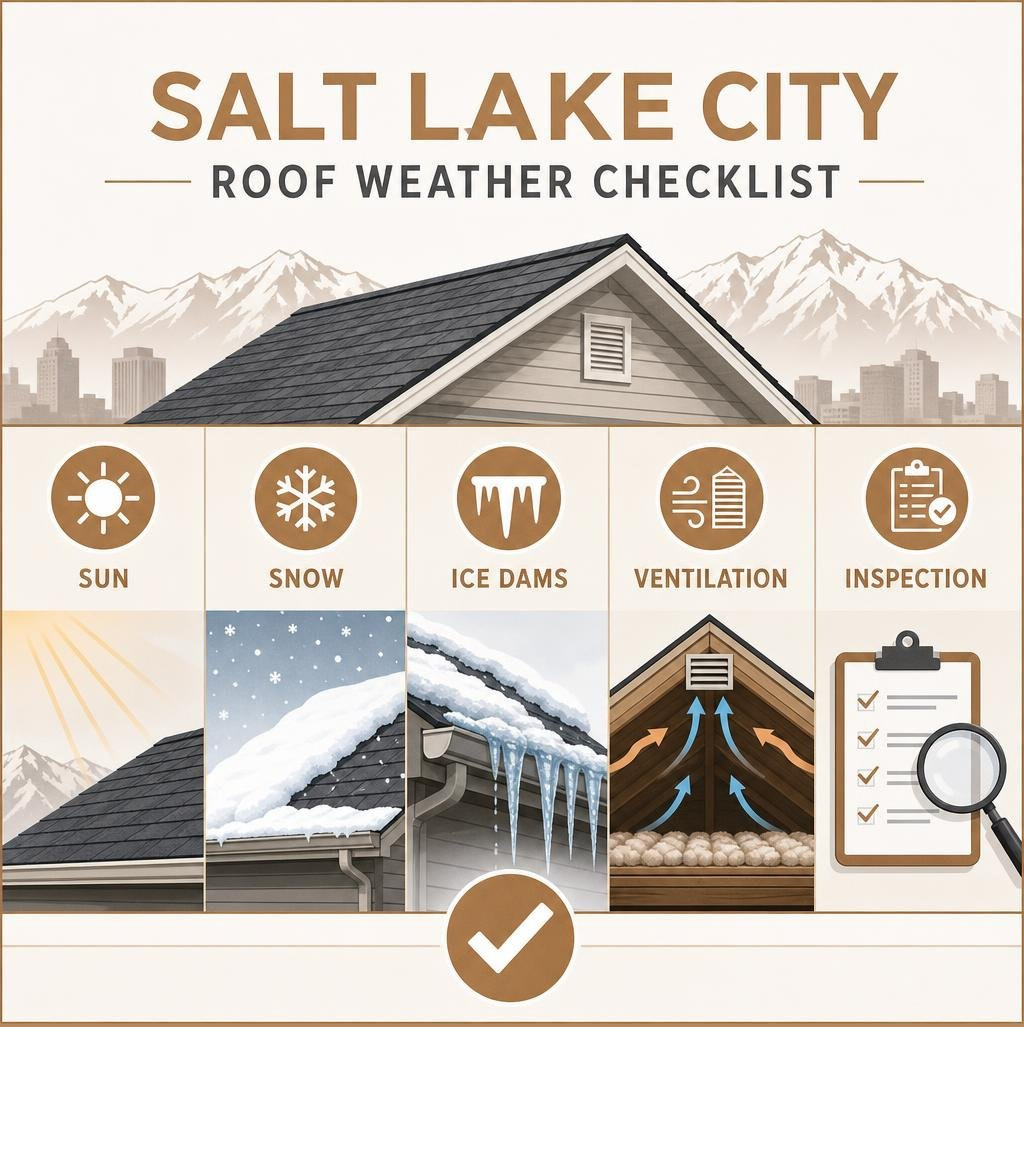
Essential Climate Factors Affecting Roofing Salt Lake City
Living along the Wasatch Front gives us stunning mountain views, but it also subjects our homes to a relentless gauntlet of extreme weather. Understanding how these local conditions interact with your roofing system is the first step in extending its lifespan and avoiding costly water intrusion.
- Intense High-Altitude UV Exposure: Salt Lake City sits over 4,200 feet above sea level, with surrounding benches climbing even higher. Thinner air filters out less ultraviolet radiation. Over time, heavy UV rays bake the volatile oils out of standard asphalt shingles, causing them to dry out, lose their flexibility, and become brittle.
- Rapid Freeze-Thaw Cycles (Thermal Shock): It is not unusual to experience a 40-degree temperature swing in a single day across northern Utah. Materials expand under the midday sun and rapidly contract when the mountain chill settles at night. This thermal cycling loosens fasteners, breaks asphalt sealant strips, and strains flashing joints around chimneys and skylights.
- Heavy Snow Loads and Mountain Runoff: Mountain storms can drop dense, moisture-heavy snow across neighborhoods from Draper to Layton. Heavy snow puts significant weight on structural rafters and tests the integrity of your decking.
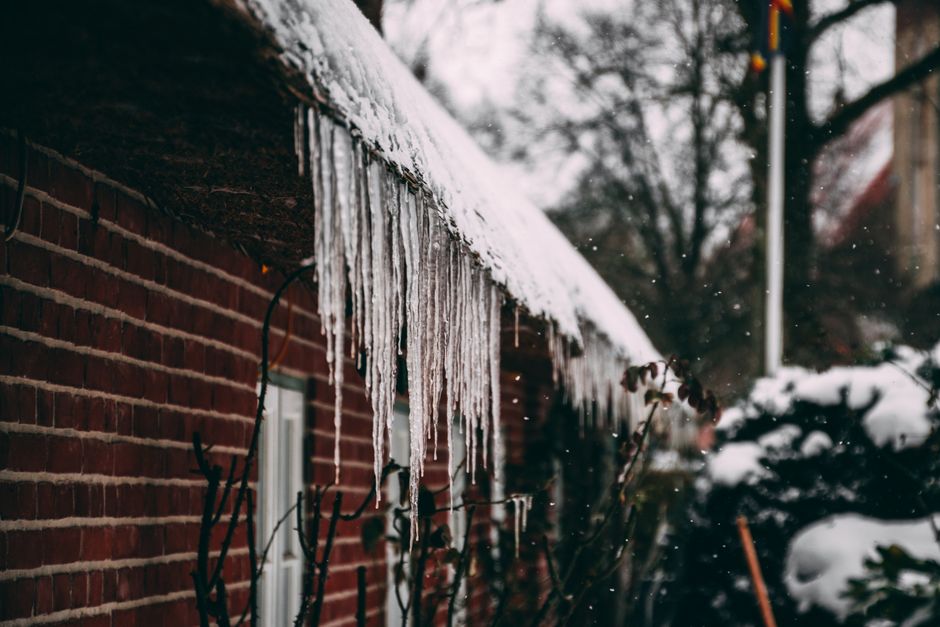
- Ice Damming at the Eaves: When heat escapes from your living space into an under-insulated attic, it warms the upper roof deck and melts the underside of the snowpack. As runoff trickles down to the cold roof eaves, it refreezes into a thick ridge of ice. Trapped water then pools behind this dam, backing up underneath shingles and leaking into interior walls and ceilings.
- Attic Ventilation Deficits: Without balanced intake and exhaust airflow, hot, moist air gets trapped in your attic during summer, cooking shingles from below, while winter moisture rots structural plywood decking.
To dive deeper into the unique meteorological demands on your home, explore Don’t Shingle Out A Complete Guide to Salt Lake City Roofing.
Top Materials for Roofing Salt Lake City Homes
Selecting the right roofing material means balancing weather resistance, aesthetic harmony with your neighborhood, and long-term return on investment.
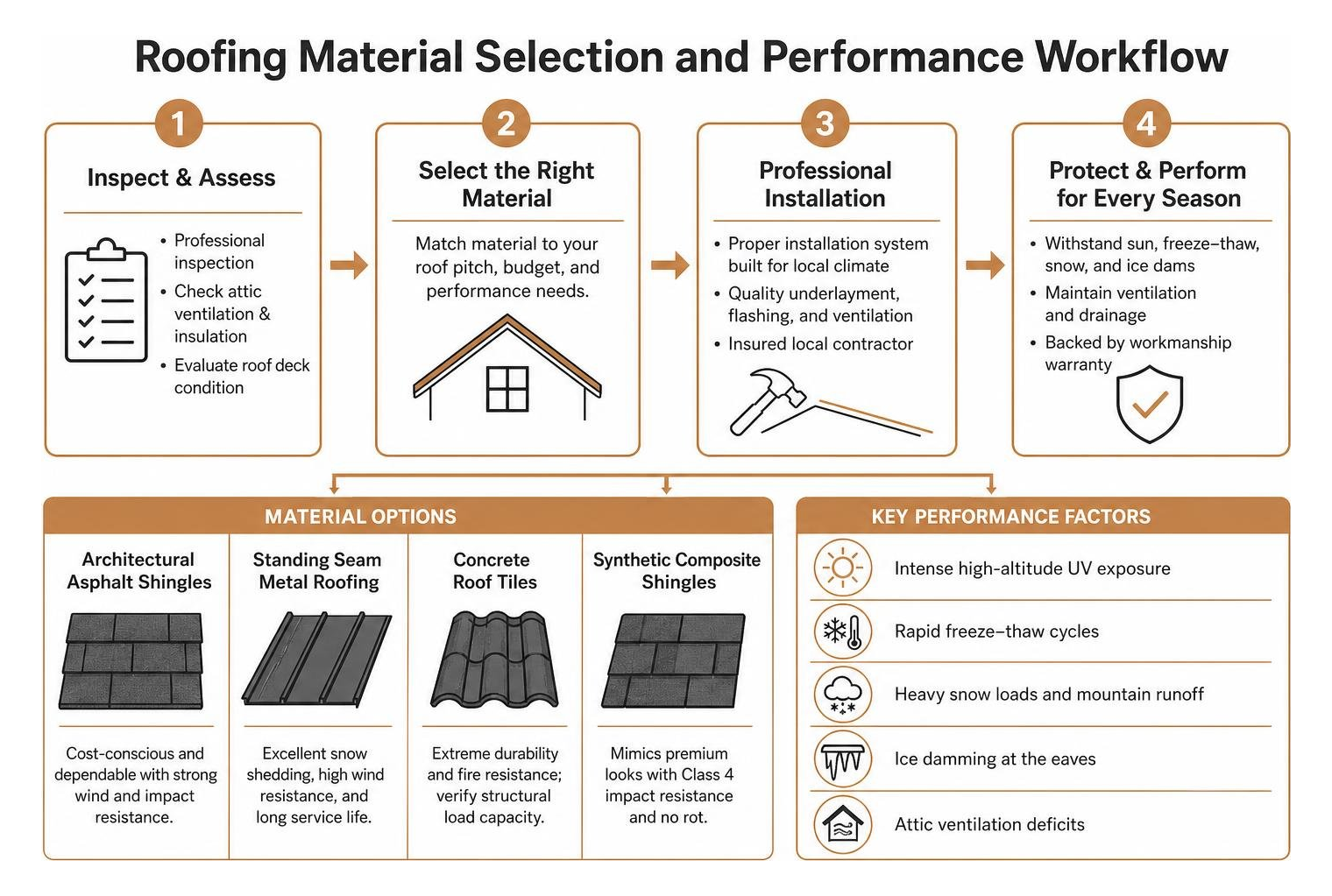
- Architectural (Laminated) Asphalt Shingles: Modern dimensional shingles feature heavy-duty fiberglass mats coated with ceramic granules. They provide superior wind resistance (often rated up to 110–130 mph) and excellent impact protection compared to basic 3-tab alternatives, making them a dependable, budget-friendly choice.
- Standing Seam Metal Roofing: Featuring concealed fasteners and vertical raised seams, metal roofs excel at shedding snow and resisting high winds. They reflect solar heat in summer and boast an exceptional lifespan, though upfront material and installation costs are higher.
- Concrete Roofing Tiles: Engineered for extreme longevity and fire resistance, concrete tiles handle intense sun without degrading. Because of their weight, your home’s framing must be evaluated to ensure it meets structural load requirements.
- Synthetic Composite Shingles: Made from advanced polymers and recycled materials, composite shingles mimic the texture of natural slate or cedar shake while delivering Class 4 impact resistance and zero risk of rot.
| Material Type | Typical Lifespan | Impact Resistance | Average Cost Range | Best Local Application |
|---|---|---|---|---|
| Architectural Shingles | 25–30 Years | Moderate to High (Class 3–4 options) | Affordable to Moderate | Ideal for standard residential slopes and broad neighborhood styles |
| Standing Seam Metal | 45–60+ Years | High (Class 4) | High | Excellent for steep slopes, mountain benches, and modern builds |
| Concrete Tile | 50+ Years | High | Moderate to High | Great for heavy snow areas with verified load-bearing framing |
| Synthetic Composite | 40–50 Years | High (Class 4) | High | Perfect for high-end custom homes seeking a slate or shake look |
Critical Steps for Winterizing and Protecting Your Roof
Preparing your roof before freezing temperatures arrive preserves your home’s thermal envelope and prevents moisture damage.

- Seal and Insulate the Attic Floor: Prevent warm indoor air from warming the underside of your roof deck by sealing air bypasses around light fixtures, exhaust fans, and access hatches. Maintain adequate R-value insulation across the entire floor.
- Clear Soffit and Ridge Vents: Ensure intake vents under the eaves remain unobstructed by blown-in insulation or debris, allowing cold outdoor air to circulate under the roof deck.
- Install Self-Adhering Ice and Water Shields: Utah building codes mandate a waterproof membrane extending from the roof edges up past the interior wall line to guard against ice dams.
- Clear Gutters and Downspouts: Remove autumn leaves and silt so melting snow flows freely off the roof rather than backing up into fascia boards.
- Install Self-Regulating Heat Cables (Optional): In chronically shaded valley pockets or heavy snow belts like Park City, zig-zag heat cables in valleys and along eaves provide open drainage channels.
For full architectural details on system installation standards, read The Ultimate Guide to Roof Installation in Salt Lake City.
Post-Storm Inspections and Early Damage Indicators
After a severe Wasatch storm or heavy winter thaw, perform a visual ground inspection. Look for these warning signs:
- Granule Depletion and Bruising: Hail strikes dislodge protective mineral granules, leaving dark spots where the asphalt core is exposed to UV breakdown.
- Lifted, Curled, or Missing Shingles: High wind gusts funneling through mountain canyons can break sealant strips, tearing shingles loose and exposing underlayment.
- Cracked Tiles or Dented Metal Panels: Flying debris or large hail can crack concrete tiles or dent panel seams, compromising water-shedding channels.
- Flashing Separation Around Penetrations: Check the metal seals around plumbing vents, chimneys, and dormers for gaps, buckling, or cracked caulking.
- Attic Water Infiltration: Inspect your rafters and plywood decking for dark staining, damp insulation, or mold odor after major rain or snow events.
- Ceiling Discoloration: Yellowish-brown rings on interior ceilings or bubbling wall paint mean moisture has already penetrated the exterior envelope.
If you spot active leaks or storm damage, consult The Ultimate Guide to Finding Local Roof Repair Experts in Salt Lake City to get prompt professional repairs.
Salt Lake City Roofing Costs, Permits, and Building Codes
The cost of a new roof along the Wasatch Front varies based on structural complexity, chosen materials, and municipal code requirements.
- Square Footage and Pitch: Roofing costs are calculated per “square” (100 square feet). Steeper roofs require specialized safety equipment and more labor hours, increasing installation costs.
- Tear-Off vs. Overlay: While local codes may permit up to two layers of roofing under specific conditions, tearing off old shingles down to the decking is best practice. It lets roofers replace rotted plywood and install modern ice and water underlayment.
- Permit Requirements: Salt Lake City and surrounding municipalities (such as West Jordan, Sandy, and Bountiful) require building permits for structural re-roofing projects. Permitted jobs ensure adherence to local snow load and fire-resistance standards.
- Snow Load Engineering: Depending on your specific elevation—from valley floors to upper bench communities—framing must meet designated ground snow load requirements (often ranging from 30 to over 50 pounds per square foot).
To better understand your project’s financial and regulatory scope, check out How Much for a New Roof Salt Lake City Costs and Tips and review The Salt Lake City Re-Roofing Lowdown Costs Permits and Pros.
How to Vet and Select a Reputable Local Roofing Contractor
Your roof is only as durable as the craftsmanship behind it. Use this checklist when vetting local professionals:
- Verify Utah DOPL Licensing: Make sure the contractor holds an active license in good standing with the Utah Division of Occupational and Professional Licensing (DOPL).
- Confirm Comprehensive Insurance: Demand certificates of general liability and workers’ compensation coverage to protect yourself from worksite liabilities.
- Manufacturer Certifications: Roofers certified by leading manufacturers (like GAF, CertainTeed, or Owens Corning) can offer enhanced factory-backed system warranties.
- Detailed Written Estimates: Avoid vague verbal agreements. A professional quote should itemize tear-off, underlayment, ventilation, flashing, waste disposal, and clean-up.
- Local Track Record: Choose an established company with deep roots along the Wasatch Front rather than storm-chasing contractors who move on after severe weather.
Learn more about finding the right team by reading How to Choose the Best Salt Lake City Roofing Company for You and our guide on Salt Lake City Roofing How to Pick the Perfect Pro.
Emergency Services for Roofing Salt Lake City Properties
When severe weather strikes, swift mitigation prevents secondary interior destruction:
- Emergency Tarping: Rapid deployment of heavy-duty, secured tarps seals compromised slopes against incoming rain and snow.
- Tree and Branch Removal: Safely clearing fallen branches and limbs reduces immediate structural strain on damaged rafters.
- Structural Stabilization: Temporary interior shoring protects compromised decking and ceiling framing from collapsing under snow loads.
- Detailed Insurance Documentation: Taking comprehensive photos, writing damage reports, and creating itemized scopes helps expedite homeowner insurance claims.
For a full breakdown of quick-response capabilities, read about The Top Services Offered by Salt Lake City Roofers.
Frequently Asked Questions About Salt Lake City Roofing
How does Salt Lake City’s altitude affect roof shingles?
The thinner atmosphere at Salt Lake City’s elevation allows higher levels of ultraviolet radiation to reach your roof. This intense UV exposure breaks down the asphalt binder in shingles faster than in low-elevation, coastal climates, causing premature granule loss and embrittlement.
When is the ideal time of year to replace a roof in Utah?
Late spring through early autumn provides optimal, dry weather conditions. Moderate daytime temperatures allow asphalt shingle thermal sealant strips to activate and adhere properly without exposure to winter freezing or excessive summer heat.
What warranties should homeowners expect from local roofers?
A comprehensive roofing warranty package should include two levels of protection:
- Manufacturer Material Warranty: Covers defects in the shingles or panels, typically ranging from 25 years to Lifetime coverage.
- Contractor Workmanship Guarantee: Covers installation labor, flashing seals, and venting integrity, typically spanning 5 to 10+ years through reputable local installers.
Conclusion
Protecting your Utah home starts with a durable roofing system built to handle Wasatch weather, high-altitude sun, and winter snow. At Heaton Bros. Roofing, our 4th-generation, family-owned team brings over 65 years of hands-on experience to every project across the valley. Whether you need a minor repair, full system replacement, or a storm inspection, our team provides reliable, transparent craftsmanship built to last.
Contact us today to schedule your comprehensive inspection and explore our full range of Roofing Services in Salt Lake City UT.