
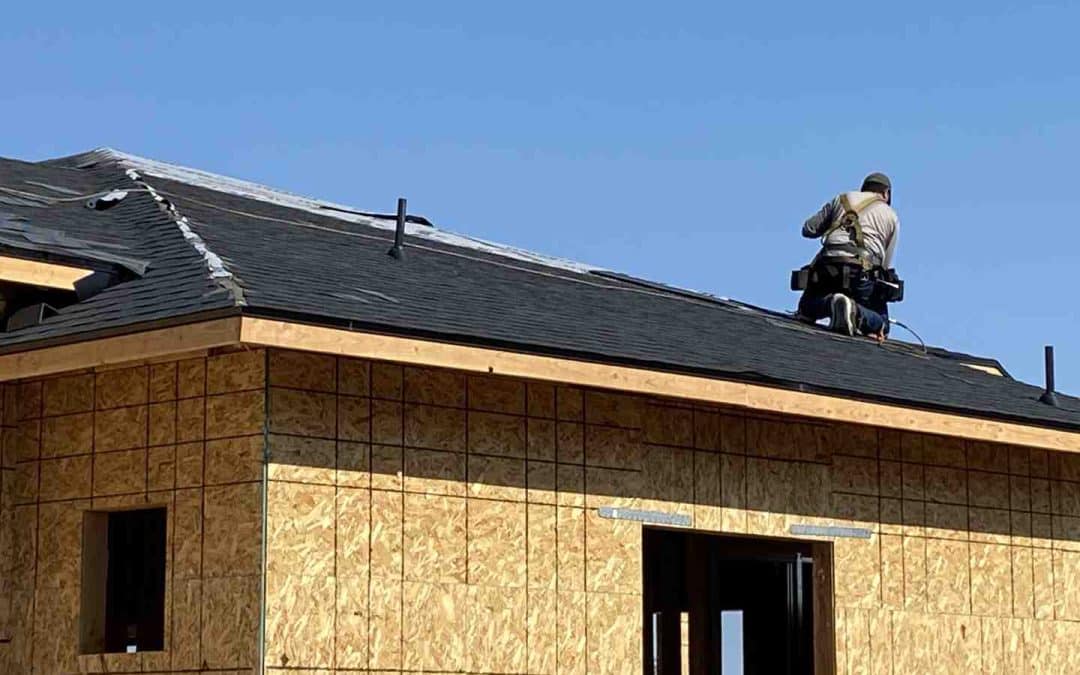
Planning and Preparation to Build a New Roof
Before the first nail is driven, a successful project to build a new roof begins on paper. Planning is the difference between a roof that sheds snow effectively and one that collapses under the weight of a Wasatch Front winter.
Understanding Roof Pitch
The “pitch” is the angle or slope of your roof. It is expressed as a ratio of “rise over run.” For example, a 6:12 pitch means the roof rises 6 inches for every 12 inches of horizontal distance.
- Low Slope (2:12 to 4:12): Common for modern designs but requires specific underlayment to prevent water backup.
- Medium Slope (5:12 to 8:12): Most common in Salt Lake City; easy to walk on for maintenance and sheds rain well.
- Steep Slope (9:12 and up): Great for shedding heavy snow but requires specialized safety equipment and “staging” for installers.
To get your measurements right, we recommend using an accurate roofing calculator. This tool helps you determine the total square footage (often measured in “squares,” where one square equals 100 square feet) so you don’t overspend on materials.
Permits and Local Codes
In Utah, you cannot simply start hammering. Any structural work requires a building permit from your local municipality, whether you are in Draper, Layton, or Park City. Local codes dictate how many layers of shingles you can have (usually two, though we always recommend a full tear-off) and specific requirements for ice barriers. Because we specialize in New Construction Roofing, we’ve seen how following these codes protects your home’s resale value—often increasing it by up to 10%.
Choosing Your Style
The shape of your roof affects both the cost and the complexity of the build.
| Roof Style | Best For | Pros | Cons |
|---|---|---|---|
| Gable | Standard Homes | Easy to build; great ventilation | Vulnerable to high winds if not braced |
| Hip | High-Wind Areas | Sturdier; all four sides slope down | More complex framing; more seams |
| Flat | Modern/Commercial | Cost-effective; usable space | High maintenance; prone to leaks |
| Gambrel | Barns/Attics | Maximizes headspace | Not ideal for heavy snow/high winds |
Choosing the Right Materials and Tools

The materials you choose will determine if your roof lasts 20 years or 100. In our 65 years of experience at Heaton Bros. Roofing, we’ve found that Utah’s climate demands high-quality selections.
Roofing Material Options
- Asphalt Shingles: The most popular choice. They are affordable (often starting around $7,500 for a standard install) and last about 20–30 years. Architectural shingles are thicker and offer better wind resistance than traditional 3-tab versions.
- Metal Roofing: A great investment for places like Park City or Ogden. While the average cost is higher (around $11,655), they last 40–80 years and handle snow slides beautifully.
- Slate and Tile: These are the “forever” roofs. Natural slate can last up to 150 years, though it is heavy and expensive ($10–$30 per square foot).
- The Decking (OSB vs. Plywood): You’ll need a solid base. OSB (Oriented Strand Board) is a popular budget-friendly choice, often costing $700 less than plywood for a typical home. However, plywood is lighter and handles moisture slightly better over the long term.
Energy Efficiency and “Cool Roofs”
If you want to save on cooling costs during a scorching Salt Lake summer, look into energy efficient cool roof technology. These shingles reflect more sunlight and can keep your attic 50–85 degrees cooler than standard dark shingles.
Essential Tools and Safety Gear
To build a new roof safely, you need more than just a hammer. You’ll need:
- Framing Square and Chalk Line: For layout and straight shingle rows.
- Circular Saw: For cutting rafters and sheathing.
- Roofing Nail Gun and Air Compressor: To speed up the thousands of nails required.
- Safety Equipment: This is non-negotiable. You need body harnesses, lanyards, and anchor points. OSHA requires fall protection for any work 6 feet or more above a lower level.
For a deeper dive into what materials fit your specific neighborhood, check out our more info about new construction roofing services.
The Step-by-Step Construction Process

Once the planning is done, it’s time to get to work. If you are replacing an old roof, the first step is the “tear-off.” We always suggest stripping the roof down to the wood. This allows us to inspect the decking for rot, mold, or “soft spots” that could cause the new roof to sag.
After the deck is prepped and repaired, the layers go on in a specific order to ensure a watertight seal. You can read more about understanding the roof installation process to see how these layers interact.
Framing and Structural Steps to Build a New Roof
The “skeleton” of your roof is the framing. You have two main options:
- Prefabricated Trusses: These are factory-built and delivered to your site in Lehi or Eagle Mountain. They are the quickest way to frame a roof and are designed by engineers to handle specific truss spacing and structural loads.
- Stick Framing (Rafters): This involves cutting each board (rafter) by hand. It takes longer but allows for vaulted ceilings and more attic space. You’ll need a ridge board at the peak where the rafters meet.
Regardless of the method, temporary bracing is vital during installation to keep the frame from “racking” or leaning before the sheathing is applied. Following these structural steps ensures you go from blueprint to beautiful without any collapses.
Final Layers Required to Build a New Roof
Once the frame is covered in sheathing, the “weatherproofing” begins:
- Drip Edge: A metal strip along the eaves that prevents water from curling under the shingles and rotting your fascia boards.
- Ice and Water Shield: In Utah, this is critical. It’s a self-sticking underlayment applied to the first 3–6 feet of the roof to prevent leaks from ice dams.
- Underlayment: Usually synthetic felt or tar paper, rolled out in overlapping rows.
- Starter Shingles: These are installed at the very bottom edge to seal the first row against wind uplift.
- Flashing: Metal bits placed around chimneys, vents, and in “valleys” (where two roof planes meet) to redirect water.
- Ventilation: We install ridge vents or “turtle” vents to let the attic breathe. Proper ventilation prevents mold and extends the life of your shingles, which is why professional roof installation saves you money over time.
Climate Considerations and Avoiding Common Mistakes
Living along the Wasatch Front means your roof has to be tougher than a roof in California or Florida. We deal with “lake effect” snow and high winds coming off the canyons.
Utah Snow Loads and Ice Dams
One of the most common mistakes when people build a new roof in our area is neglecting ice dam prevention. When heat escapes your attic, it melts the snow on the roof. That water runs down to the cold eaves, freezes, and creates a “dam” that forces water back under your shingles.
- The Fix: Ensure your attic is well-insulated and that you have installed an ice and water shield at least 3 feet past the interior wall line.
High Wind Resistance
In places like Bountiful and Farmington, canyon winds can literally peel shingles off a house.
- The Mistake: “High-nailing.” If nails are placed too high on the shingle, they don’t catch the layer underneath. During a storm, the shingle will simply pull away.
- The Pro Tip: Always use six nails per shingle in high-wind areas and ensure they are driven through the “nailing strip” specified by the manufacturer.
For more regional tips, see The Ultimate Guide to Roof Installation in Salt Lake City.
Frequently Asked Questions about Building a Roof
How much does it cost to build a new roof?
The cost varies wildly based on materials and size. A basic asphalt shingle roof for a standard home might cost between $7,500 and $12,000. Premium materials like metal or slate can easily exceed $20,000 to $30,000. Remember to pad your budget by 15-20% for “unforeseen” issues like rotten decking found during the tear-off.
How long does the roof construction process take?
For a professional crew, a standard residential roof replacement takes 1 to 3 days. If you are building a new roof from scratch (including framing), it can take 1 to 2 weeks depending on the complexity and weather.
Can I build a new roof as a DIY project?
Technically, yes, but we don’t usually recommend it for your primary home. Roofing is physically grueling and dangerous. One mistake with flashing or nailing can lead to thousands of dollars in water damage inside your home. If you do choose the DIY route, stick to simple gable roofs with low pitches (6:12 or less) and always work with a partner.
Conclusion
Building a roof is a complex, multi-layered process that requires precision at every step. From the initial framing to the final ridge cap, every component must work together to shield your family from the elements. At Heaton Bros. Roofing, we’ve spent four generations perfecting this craft right here in Salt Lake City.
With over 65 years of experience, we know exactly what it takes to build a roof that survives Utah’s heaviest snowfalls and strongest winds. Whether you are starting a new construction project or need a reliable replacement, we are here to provide quality, affordable solutions.
A new roof is more than just a home improvement; it’s peace of mind. To find out why a new roof is the most important investment for your home, or to start your project with Heaton Bros. Roofing, reach out to us today. We look forward to protecting your home for the next 30 years and beyond!