
Why More Utah Homeowners Are Choosing Metal Roofing
A metal roof on a residential home is no longer just for commercial buildings or barns. It’s become one of the most popular choices for homeowners seeking a long-lasting, durable, and energy-efficient roofing solution. If you’re evaluating whether metal is right for your home, here’s what you need to know:
Key Benefits of Metal Roofing:
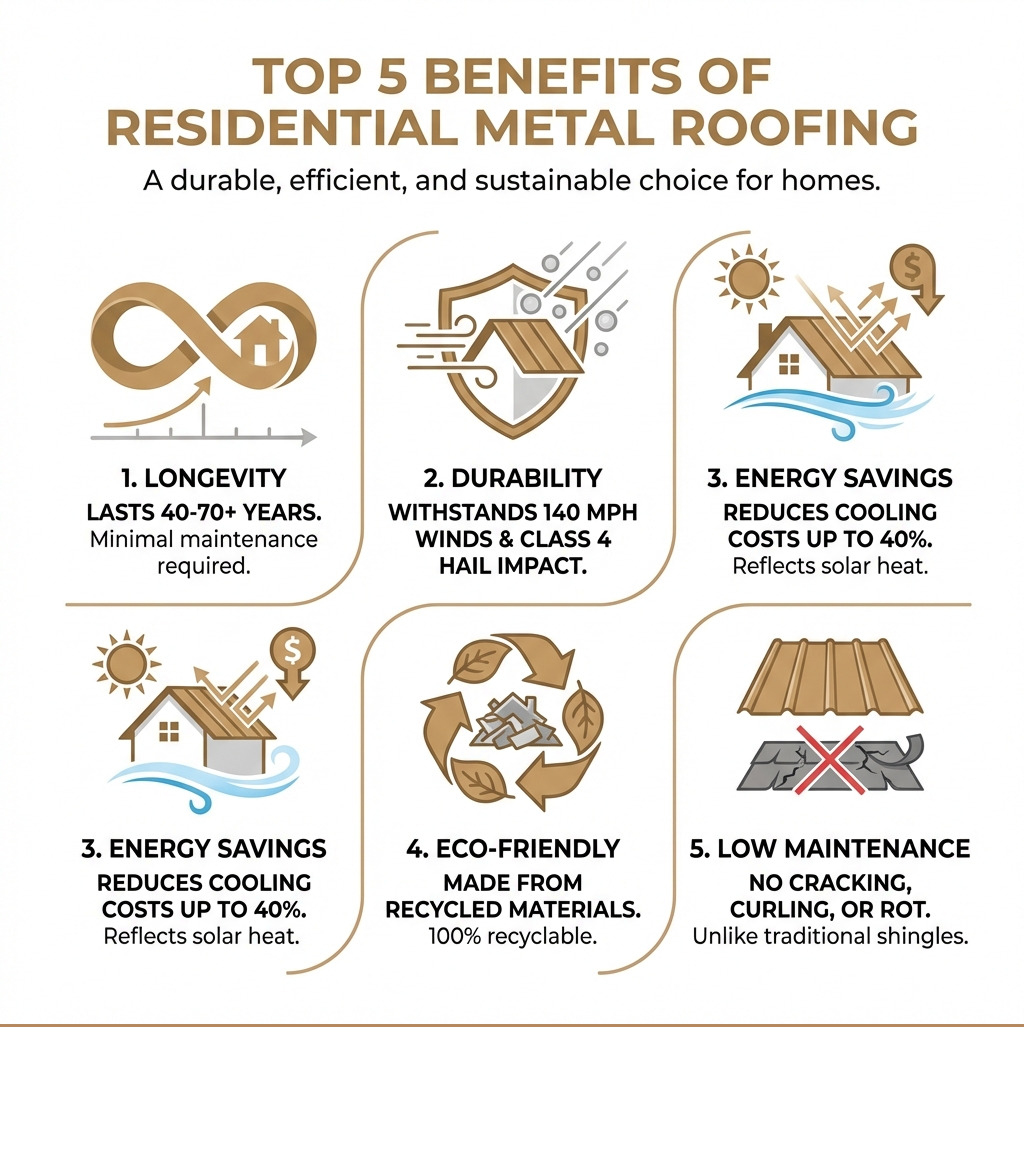
- Longevity – Lasts 40-70+ years vs. 12-20 years for asphalt shingles
- Durability – Withstands extreme weather including hail, high winds, and heavy snow
- Energy Efficiency – Reflects solar heat, reducing cooling costs by up to 40%
- Low Maintenance – Minimal upkeep compared to traditional materials
- Sustainability – Made from recycled materials and 100% recyclable at end of life
- ROI – Homeowners typically recoup 85.9%-95.5% of installation costs
Metal roofing has come a long way from the industrial “tin roof” image many people picture. Today’s metal roofs offer stunning aesthetics that can mimic traditional shingles, wood shakes, or clay tiles while delivering superior performance. They’re available in a wide range of colors and styles to complement any home design.
For Utah homeowners dealing with intense sun, heavy snow loads, and unpredictable weather, metal roofing offers particular advantages. The material’s ability to shed snow quickly, resist fire, and reflect heat makes it ideal for our climate.
This guide will walk you through everything you need to know about metal roofing for residential homes – from the different types and materials available to cost considerations, installation requirements, and common concerns. Whether you’re building new or replacing an aging roof, you’ll have the information needed to make a confident decision.
Why Choose Metal? The Best Benefits for Your Home
When considering a new roof, the benefits of metal roofing are compelling, especially for Utah’s diverse climate. Its durability, weather resistance, energy efficiency, and low maintenance requirements make it a standout choice.
How does the lifespan of a metal roof compare to traditional roofing materials like asphalt shingles?
One of the most significant advantages of choosing a metal roof on a residential home is its exceptional lifespan. While asphalt shingles typically last 12-20 years, a metal roof offers a far more enduring solution, with some materials lasting 40 to 80 years with minimal maintenance. This remarkable longevity means a single metal roof can outlast two or three traditional asphalt shingle roofs, translating into substantial long-term value and fewer costly replacements.
How can metal roofs impact your energy bills?
Metal roofs are champions of energy efficiency. Their ability to reflect sunlight helps keep your home cooler, reducing the load on your air conditioning system. This can reduce cooling costs by up to 40%, a significant benefit during Utah’s hot summers. Both the EPA and the U.S. Department of Energy have verified the superior energy efficiency of metal roofing. Modern coatings with reflective pigments further improve this effect, helping you save on energy costs and lower your carbon footprint.
Are metal roofs environmentally friendly?
A metal roof on a residential home is one of the most sustainable roofing options available. They are often made with a minimum of 25% recycled material and are 100% recyclable at the end of their long life. This drastically reduces landfill waste, as approximately 20 billion pounds of asphalt shingles are discarded in the U.S. each year. In many cases, a new metal roof can even be installed over existing shingles, further minimizing waste and disposal costs.
A Style for Every Home: Types and Aesthetics of Metal Roofing
Gone are the days when metal roofing meant a single, utilitarian look. Modern metal roofing offers an incredible array of styles, colors, and finishes, ensuring there’s a perfect match for any home’s architectural style, from a historic home in Salt Lake City to a modern build in Bluffdale.
What are the different types of metal roofing materials?
The performance and look of your roof depend on the material:
- Steel (Galvalume, Galvanized): The most popular and affordable option, steel is coated with zinc (galvanized) or a zinc-aluminum alloy (Galvalume) for superior corrosion resistance, lasting 35-50 years.
- Aluminum: Lightweight and naturally corrosion-resistant, making it an excellent, long-lasting choice with a lifespan of 35-50 years.
- Copper: A premium option renowned for its beauty and extreme longevity (80-100+ years). It develops a distinctive green patina over time.
- Zinc: A high-end, durable, and flexible material that can “self-heal” minor scratches. It also develops an attractive patina and can last 80-100+ years.
What aesthetic options are available for metal roofs?
The versatility of metal allows for a vast range of styles to complement any home:
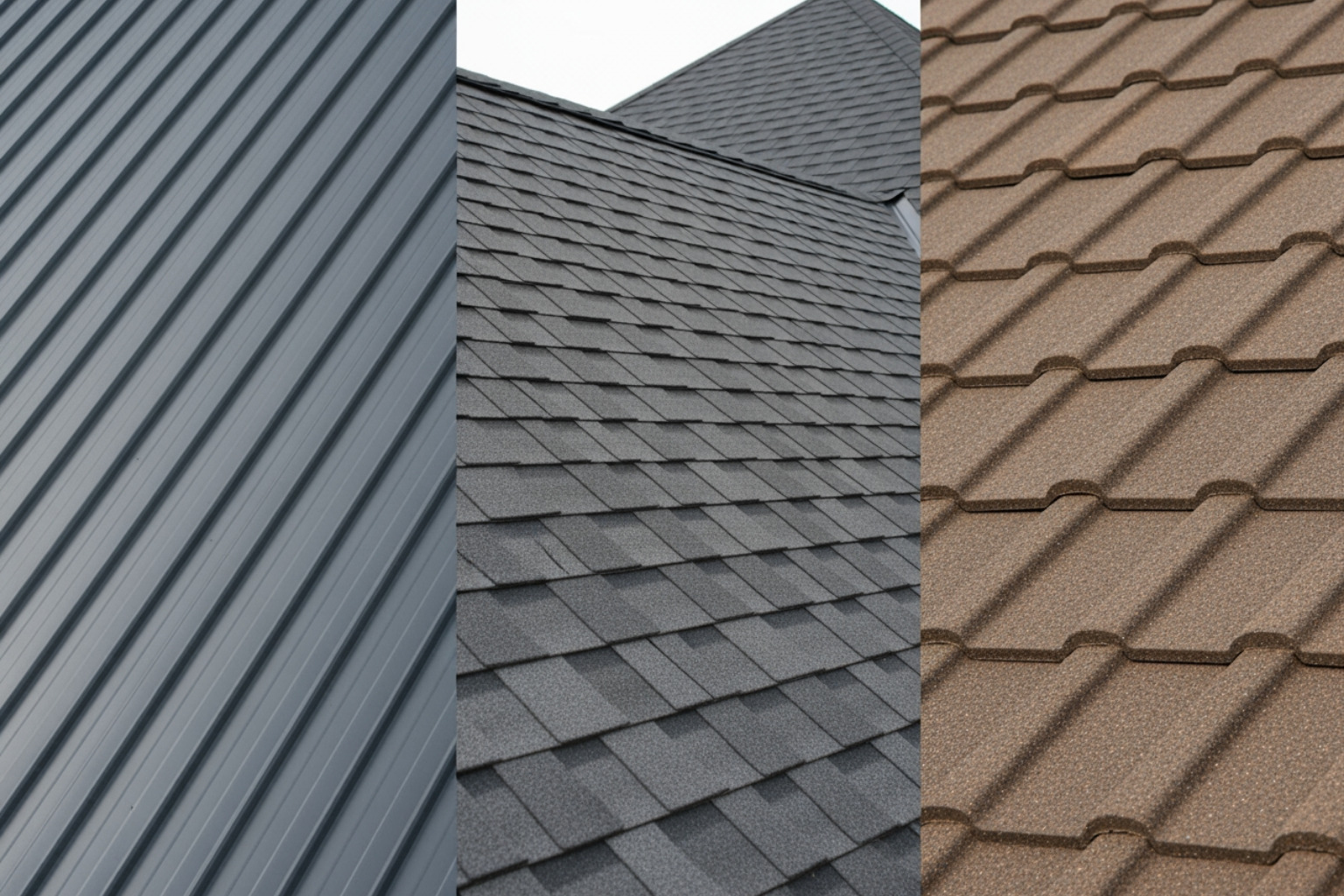
- Standing Seam: Features long, vertical panels with raised, interlocking seams for a sleek, modern look. Lifespan: 40–70+ years.
- Metal Shingles & Tiles: Engineered to mimic the look of traditional asphalt shingles, wood shakes, or clay tiles, but with the durability of metal. Lifespan: 40–60 years.
- Stone-Coated Steel: Steel panels coated with natural stone granules to replicate the texture of traditional materials. Lifespan: 40–70 years.
- Corrugated Panels: A classic, wavy profile that offers a rustic or industrial aesthetic. Lifespan: 20–40 years.
Beyond these styles, the color palette for metal roofs is extensive. Our team can help you choose the perfect metal roof color and finish to improve your home’s curb appeal.
The True Cost and Value of a Metal Roof on a Residential Home
When homeowners consider a metal roof on a residential home, the initial cost is often a primary concern. While metal roofs typically have a higher upfront investment compared to traditional asphalt shingles, it’s crucial to look beyond the initial price tag and consider the long-term value.
What is the long-term cost-effectiveness?
A metal roof is a smart financial investment that pays for itself over time. Here’s how:
- Longevity: A metal roof can last 40-70+ years, whereas asphalt shingles typically need replacement every 15-20 years. This means you may need to replace an asphalt roof three times in the lifespan of a single metal roof.
- Low Maintenance: Metal roofing requires minimal upkeep, saving you money on the regular repairs and maintenance often associated with traditional materials.
- Energy Savings: The reflective properties of metal can reduce your cooling costs by up to 40%, leading to significant savings on your energy bills year after year.
- Return on Investment (ROI): Due to these savings and increased property value, homeowners can often recoup between 85.9% and 95.5% of the installation cost at resale.
How does a metal roof affect home value and insurance?
Installing a metal roof on a residential home can significantly improve your property’s value and may lower your insurance premiums. A new metal roof can increase a home’s resale value by up to 6%, as its durability and modern aesthetic are highly attractive to buyers.
Additionally, many insurance companies offer discounts for metal roofs. Insurers like Progressive Insurance recognize that metal’s resistance to fire (Class A rating), high winds (up to 140 mph), and hail (Class 4 impact rating) makes it a lower-risk option. We recommend checking with your insurance provider in Utah to see what discounts may be available to you.
Introduction
A metal roof on a residential home is no longer just for commercial buildings or barns. It’s become one of the most popular choices for homeowners seeking a long-lasting, durable, and energy-efficient roofing solution. If you’re evaluating whether metal is right for your home, here’s what you need to know:
Key Benefits of Metal Roofing:
- Longevity – Lasts 40-70+ years vs. 12-20 years for asphalt shingles
- Durability – Withstands extreme weather including hail, high winds, and heavy snow
- Energy Efficiency – Reflects solar heat, reducing cooling costs by up to 40%
- Low Maintenance – Minimal upkeep compared to traditional materials
- Sustainability – Made from recycled materials and 100% recyclable at end of life
- ROI – Homeowners typically recoup 85.9%-95.5% of installation costs
Metal roofing has come a long way from the industrial “tin roof” image many people picture. Today’s metal roofs offer stunning aesthetics that can mimic traditional shingles, wood shakes, or clay tiles while delivering superior performance. They’re available in a wide range of colors and styles to complement any home design.
For Utah homeowners dealing with intense sun, heavy snow loads, and unpredictable weather, metal roofing offers particular advantages. The material’s ability to shed snow quickly, resist fire, and reflect heat makes it ideal for our climate.
This guide will walk you through everything you need to know about metal roofing for residential homes – from the different types and materials available to cost considerations, installation requirements, and common concerns. Whether you’re building new or replacing an aging roof, you’ll have the information needed to make a confident decision.
Why Choose Metal? The Best Benefits for Your Home
When considering a new roof for your home, the benefits of metal roofing are compelling. Its innate durability, resistance to harsh weather, impressive energy efficiency, sustainable nature, and minimal maintenance requirements make it a standout choice, especially for the diverse climate across Utah’s Wasatch Front, from Logan to Provo.
How does the lifespan of a metal roof compare to traditional roofing materials like asphalt shingles?
One of the most significant advantages of choosing a metal roof on a residential home is its exceptional lifespan. While traditional asphalt shingle roofs typically last 12 to 20 years, a metal roof offers a far more enduring solution, with some materials lasting 40 to 80 years with minimal maintenance. This remarkable longevity means a single metal roof can outlast two to three traditional asphalt shingle roofs, translating into substantial long-term value and fewer costly replacements.
How can metal roofs impact your energy bills?
Beyond their durability, metal roofs are champions of energy efficiency. Their ability to reflect sunlight helps keep your home cooler, reducing the load on your air conditioning system. This can reduce cooling costs by up to 40%, a significant benefit during Utah’s hot summers. Both the EPA and the U.S. Department of Energy have verified the superior energy efficiency of metal roofing. Modern coatings with reflective pigments further improve this effect, helping you save on energy costs and lower your carbon footprint.
Are metal roofs environmentally friendly?
A metal roof on a residential home is one of the most sustainable roofing options available. They are often made with a minimum of 25% recycled material and are 100% recyclable at the end of their long life. This drastically reduces landfill waste, as approximately 20 billion pounds of asphalt shingles are discarded in the U.S. each year. In many cases, a new metal roof can even be installed over existing shingles, further minimizing waste and disposal costs.
A Style for Every Home: Types and Aesthetics of Metal Roofing
Gone are the days when metal roofing meant a single, utilitarian look. Modern metal roofing offers an incredible array of styles, colors, and finishes, ensuring there’s a perfect match for any home’s architectural style, from a historic home in Salt Lake City to a modern build in Bluffdale.
What are the different types of metal roofing materials?
The performance and look of your roof depend on the material:
- Steel (Galvalume, Galvanized): The most popular and affordable option, steel is coated with zinc (galvanized) or a zinc-aluminum alloy (Galvalume) for superior corrosion resistance, lasting 35-50 years.
- Aluminum: Lightweight and naturally corrosion-resistant, making it an excellent, long-lasting choice with a lifespan of 35-50 years.
- Copper: A premium option renowned for its beauty and extreme longevity (80-100+ years). It develops a distinctive green patina over time.
- Zinc: A high-end, durable, and flexible material that can “self-heal” minor scratches. It also develops an attractive patina and can last 80-100+ years.
What aesthetic options are available for metal roofs?
The versatility of metal allows for a vast range of styles to complement any home:
- Standing Seam: Features long, vertical panels with raised, interlocking seams for a sleek, modern look. Lifespan: 40–70+ years.
- Metal Shingles & Tiles: Engineered to mimic the look of traditional asphalt shingles, wood shakes, or clay tiles, but with the durability of metal. Lifespan: 40–60 years.
- Stone-Coated Steel: Steel panels coated with natural stone granules to replicate the texture of traditional materials. Lifespan: 40–70 years.
- Corrugated Panels: A classic, wavy profile that offers a rustic or industrial aesthetic. Lifespan: 20–40 years.
Beyond these styles, the color palette for metal roofs is extensive. Our team can help you choose the perfect metal roof color and finish to improve your home’s curb appeal.
The True Cost and Value of a Metal Roof on a Residential Home
When homeowners consider a metal roof on a residential home, the initial cost is often a primary concern. While metal roofs typically have a higher upfront investment compared to traditional asphalt shingles, it’s crucial to look beyond the initial price tag and consider the long-term value.
What is the long-term cost-effectiveness?
A metal roof is a smart financial investment that pays for itself over time. Here’s how:
- Longevity: A metal roof can last 40-70+ years, whereas asphalt shingles typically need replacement every 15-20 years. This means you may need to replace an asphalt roof three times in the lifespan of a single metal roof.
- Low Maintenance: Metal roofing requires minimal upkeep, saving you money on the regular repairs and maintenance often associated with traditional materials.
- Energy Savings: The reflective properties of metal can reduce your cooling costs by up to 40%, leading to significant savings on your energy bills year after year.
- Return on Investment (ROI): Due to these savings and increased property value, homeowners can often recoup between 85.9% and 95.5% of the installation cost at resale.
How does a metal roof affect home value and insurance?
Installing a metal roof on a residential home can significantly improve your property’s value and may lower your insurance premiums. A new metal roof can increase a home’s resale value by up to 6%, as its durability and modern aesthetic are highly attractive to buyers.
Additionally, many insurance companies offer discounts for metal roofs. Insurers like Progressive Insurance recognize that metal’s resistance to fire (Class A rating), high winds (up to 140 mph), and hail (Class 4 impact rating) makes it a lower-risk option. We recommend checking with your insurance provider in Utah to see what discounts may be available to you.
Debunking Myths and Addressing Common Concerns
Despite the many benefits, we often encounter common misconceptions about metal roofs. Let’s clear the air and address some of these worries, because a metal roof on a residential home is far more sophisticated than outdated stereotypes suggest.
Are metal roofs noisy when it rains?
This is a common myth. A modern metal roof on a residential home is not noisy. Unlike an uninsulated barn, your home has a roof deck, underlayment, and insulation that muffle sound. A properly installed metal roof is no noisier than any other type of roof. You can even watch this video to see how they handle rain.
Do metal roofs attract lightning or rust?
A metal roof does not attract lightning any more than other roofing materials. In the rare event of a strike, it’s actually safer because it’s non-combustible. As for rust, modern metal roofing is engineered to resist corrosion. By choosing the right metal substrate and protective coatings (like Galvalume) or naturally resistant metals like aluminum and copper, rust is not a concern for a well-maintained metal roof on a residential home.
How do metal roofs perform against hail and extreme weather?
Metal roofs are renowned for their durability in extreme weather, making them ideal for Utah’s climate.
- Wind: A properly installed metal roof can withstand wind gusts of up to 140 miles per hour.
- Hail: Many metal roofing products achieve a Class 4 impact rating, the highest available, meaning they can withstand significant hail. Learn more about how metal roofs hold up to hail.
- Fire: Metal roofs are non-combustible and carry a Class A fire rating, providing excellent fire resistance.
- General Harsh Conditions: Overall, metal roofing offers excellent performance in harsh conditions, from extreme heat to freezing cold.
Installation and Climate: Key Factors in Choosing a Metal Roof on a Residential Home
The decision to install a metal roof on a residential home is a significant one, and two factors are paramount to its success: professional installation and careful consideration of your local climate. For us here in Utah, with our unique weather patterns, these considerations are particularly important.
Why is professional installation so important?
The longevity and performance of a metal roof are directly tied to the quality of its installation. Metal roofing is a specialized trade that requires experience with how metal panels expand and contract. A skilled installer uses proper fastener systems and panel designs, like snap-lock seams, to prevent leaks and ensure durability. A professional installation is also required to validate the manufacturer’s warranty, making the choice of a qualified contractor essential.
What are specific considerations for a metal roof on a residential home in different climates?
Metal roofing is an excellent choice for any climate, but it’s particularly well-suited for Utah’s weather:
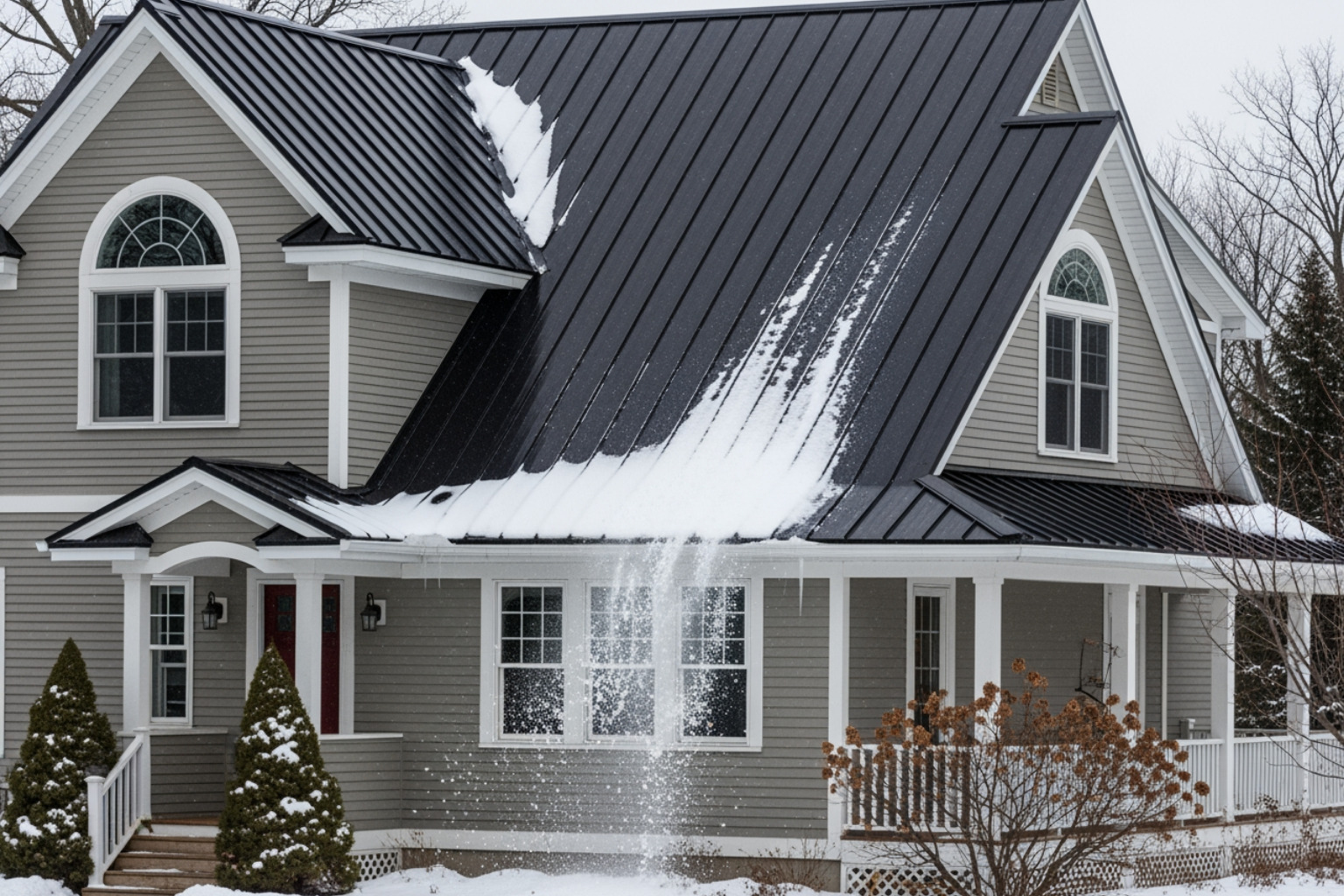
- Cold Climates (Heavy Snow Loads): The smooth surface of a metal roof allows snow to slide off easily, preventing heavy snow buildup and reducing the risk of ice dams. Snow retention systems can be installed to manage this shedding in high-traffic areas.
- Hot Climates (Intense Sun): The reflective properties of metal roofs, especially those with “cool roof” coatings, are a huge advantage in Utah’s sunny summers. They reflect solar radiation, reducing heat absorption and lowering cooling costs.
- General Extreme Weather: Metal roofing is resistant to the extreme temperature swings and harsh weather common throughout Utah. Learn more about how metal roofing performs in extreme weather. We ensure the chosen material and coating are best suited for the specific conditions of your home’s location, whether it’s a windy canyon in Park City or a sun-drenched plain in Tooele.
Frequently Asked Questions about Residential Metal Roofs
We understand that choosing a metal roof on a residential home comes with many questions. Here are some of the most common inquiries we receive:
Can you install a metal roof over existing shingles?
Yes, in many cases, a metal roof can be installed over a single layer of existing asphalt shingles. This can save on tear-off costs and reduce landfill waste. However, this is dependent on local building codes and the condition of the underlying roof deck. A professional assessment is necessary to determine if this is a safe and viable option for your home. You can learn more about installing over shingles to see if this is right for your project.
What maintenance does a metal roof require?
One of the most appealing aspects of a metal roof on a residential home is its low maintenance. Unlike asphalt shingles, metal roofs are incredibly durable. Typically, maintenance involves an annual visual inspection, keeping gutters clear of debris, and checking that sealants around vents and skylights are intact.
Can solar panels be installed on a metal roof?
Absolutely! Solar panels and metal roofing are a great match. The long lifespan of a metal roof (40-70+ years) complements the 25-30 year lifespan of solar panels, so you won’t have to replace your roof before your panels need upgrading. For standing seam metal roofs, special clamps can attach panels without drilling any holes, preserving the roof’s integrity and preventing leaks.
This combination allows homeowners in Utah to maximize their energy savings and accept sustainable living.
Conclusion: Is a Metal Roof the Right Investment for Your Home?
Choosing a metal roof on a residential home is a decision that impacts your property’s aesthetics, performance, and value for decades. As we’ve explored, metal roofing offers best longevity, superior durability against extreme weather, impressive energy efficiency, and significant environmental benefits. While the initial investment might be higher than traditional options, the long-term cost-effectiveness, increased home value, and minimal maintenance make it a wise and enduring choice.
For homeowners across Salt Lake City, Wasatch Front, South Jordan, Alpine, and all our service areas in Utah, a metal roof is more than just a covering; it’s an investment in the future of your home. It provides peace of mind, knowing your family is protected by a roof built to last.
At Heaton Bros. Roofing, we’re proud to be a 4th-generation, family-owned roofing company with over 65 years of experience serving Utah. We stand by our commitment to quality, reliability, and customer satisfaction, ensuring that your metal roof installation is handled with the expertise it deserves. If you’re ready to explore the possibilities of a metal roof for your home, we invite you to explore your residential roofing options with us.