Why Certified Roofing Contractors Are Critical for Utah Homeowners
Certified roofing contractors possess specialized training and credentials, ensuring they can install, repair, and maintain your roof to the highest industry standards. Here’s a quick overview:
- Key Certifications: Look for manufacturer certifications (GAF, Owens Corning) for improved warranties and industry certifications (NRCA PROCertification®) for proven excellence.
- Safety & Insurance: Certified pros have Fall Protection training, carry $2 million+ liability insurance, and have worker’s compensation.
- Verification: Always check credentials on manufacturer websites, NRCA directories, and the Better Business Bureau.
Your roof is a major investment. In 2015, 21% of all home renovation complaints in Utah were about roofers—more than any other trade. A poorly installed roof can lead to water damage, structural problems, and voided warranties. Worse, you could be liable if an uninsured worker is injured on your property.
Certification is proof that a contractor has invested in training, follows manufacturer standards, and commits to safety. This guide will show you what certifications matter, how to verify them, and why they’re the key to a long-lasting, reliable roof.
What “Certified” Really Means in the Roofing World
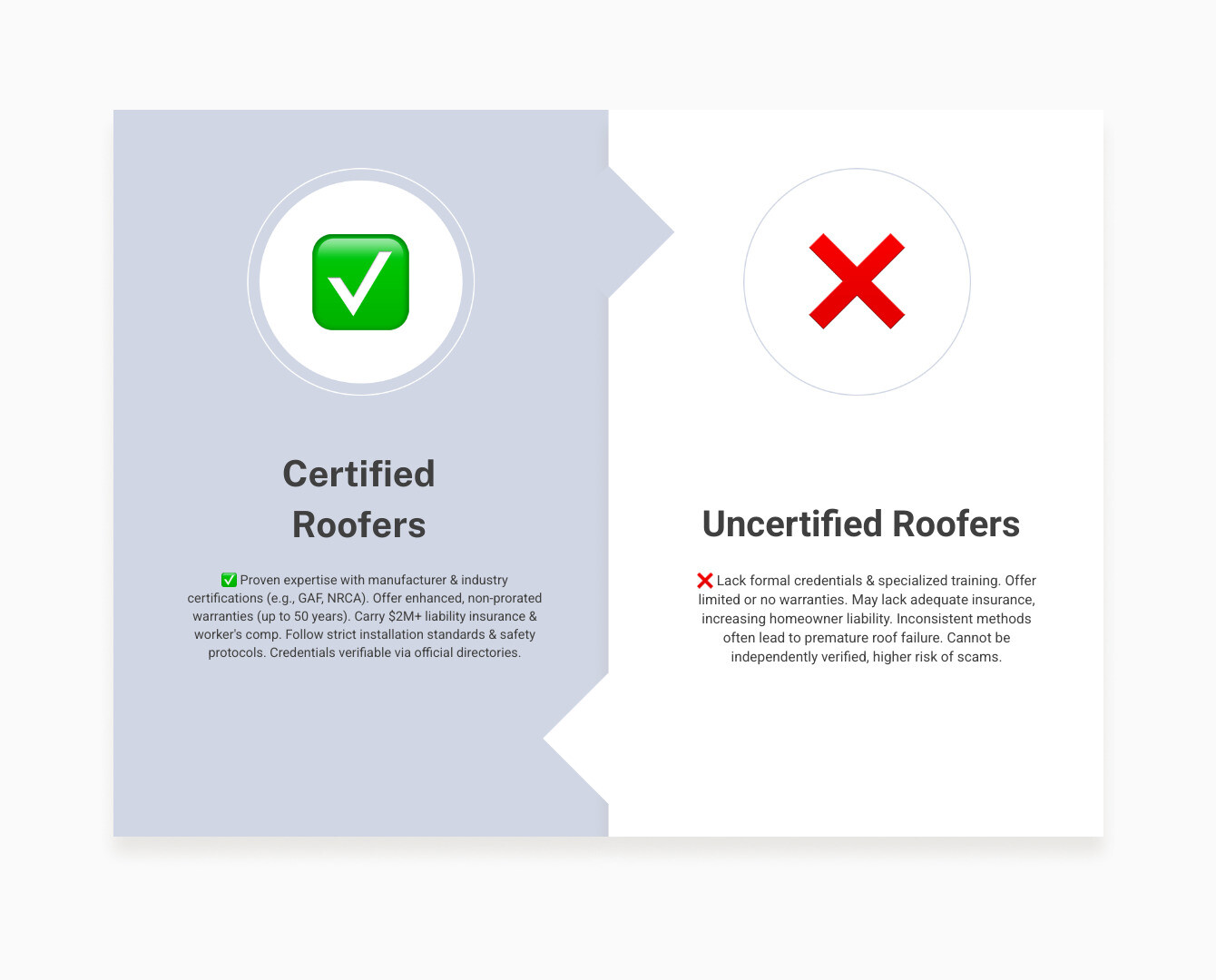
In roofing, “certified” signifies a level of expertise that goes beyond a basic government license. It’s a voluntary credential earned by contractors who undergo specialized training and meet rigorous standards set by roofing manufacturers or industry organizations. This commitment to quality and best practices means they have proven expertise in modern roof systems, proper installation techniques, and safety protocols, ensuring your roof is built to last.
The Two Main Types of Roofing Certifications
There are two primary categories of certifications, each adding a different layer of value:
-
Manufacturer Certifications: Granted by brands like GAF, Owens Corning, or CertainTeed, these certifications prove a contractor has mastered that specific manufacturer’s products and installation methods. This is crucial for maximizing product performance and is often required to access the best, long-term warranties.
-
Industry Certifications: Offered by independent trade groups like the National Roofing Contractors Association (NRCA), these certifications validate a roofer’s broad skills, safety knowledge, and professionalism. The NRCA PROCertification®, for example, is a mark of excellence for installers across various roof systems.
In addition, safety training like Fall Protection and working at heights certifications are essential for any professional crew, ensuring a safe and compliant job site.
Manufacturer vs. Industry Certification: What’s the Difference?
Understanding the distinction helps you choose the right certified roofing contractor for your project.
| Feature | Manufacturer Certification | Industry Certification |
|---|---|---|
| Focus | Product-specific installation and systems. | Broad roofing skills, safety, and professionalism. |
| Provider | Material manufacturers (e.g., GAF, Owens Corning). | Independent trade associations (e.g., NRCA). |
| Key Benefit | Open ups access to improved, non-prorated warranties. | Validates general competence and craft excellence. |
| Example | GAF Master Elite®, Owens Corning Preferred Contractor. | NRCA PROCertification®. |
Warranty Eligibility is a major differentiator. Top-tier manufacturers offer robust warranties—some up to 50 years non-prorated—but only if the roof is installed by one of their certified contractors. Without this, you may receive a limited warranty or none at all.
Installation Techniques are also key. Manufacturer certification ensures the contractor knows the exact requirements for that brand’s system, while industry certification validates their foundational knowledge across different materials. A contractor with both offers the highest level of assurance for homeowners in Salt Lake City and across the Wasatch Front.
The Undeniable Benefits of Hiring Certified Roofing Contractors
Choosing a certified roofing contractor is one of the smartest moves you can make for your home. It’s an investment in superior quality, long-term value, and homeowner protection. Certified professionals deliver a roof that performs better, lasts longer, and ultimately saves you money.
Hiring a certified local roofer also brings a deep understanding of local building codes and weather challenges. Learn more in our guide on Why Hiring a Local Roofer is the Best Choice.
Improved Warranty Coverage and Eligibility
One of the biggest benefits is access to significantly better warranties. This is a critical layer of protection for your investment.
- Exclusive, Extended Warranties: Manufacturers partner with certified contractors to offer warranties unavailable to others, sometimes covering materials and workmanship for up to 50 years.
- Non-Prorated Coverage: This is a huge advantage. A non-prorated warranty’s value doesn’t decrease over time. If your roof fails in year 40 of a 50-year warranty, the manufacturer still covers the full cost of repair or replacement.
- Manufacturer-Backed Guarantees: When a certified contractor installs your roof, the manufacturer often backs the installation itself, giving you an extra layer of security. Without a certified installer, you risk being left with a basic material warranty, exposing you to high labor costs if issues arise. For more on making smart choices, see our guide on Affordable Roofing Without Compromising Quality.
Superior Workmanship and Complex Project Handling
Certified contractors’ specialized training translates directly into higher-quality installations.
- Adherence to Manufacturer Specifications: They are trained to meet or exceed the exact installation standards for every component, ensuring your roof performs as designed and maximizing its lifespan.
- Correct Installation for Longevity: Rigorous training in correct techniques prevents the improper installation that leads to premature roof failure. This attention to detail means your roof will better withstand the elements.
- Expertise with Complex Projects: Certified contractors have the advanced knowledge to tackle complex rooflines with multiple slopes, valleys, and dormers, ensuring every element is properly sealed. They can also manage large-scale projects with consistency and quality. To see what to expect, read Services You Can Expect from a Professional Roofing Contractor.
A Commitment to Worker Safety and Training
Roofing is a high-risk job, and certified contractors prioritize safety, which protects their workers and you, the homeowner.
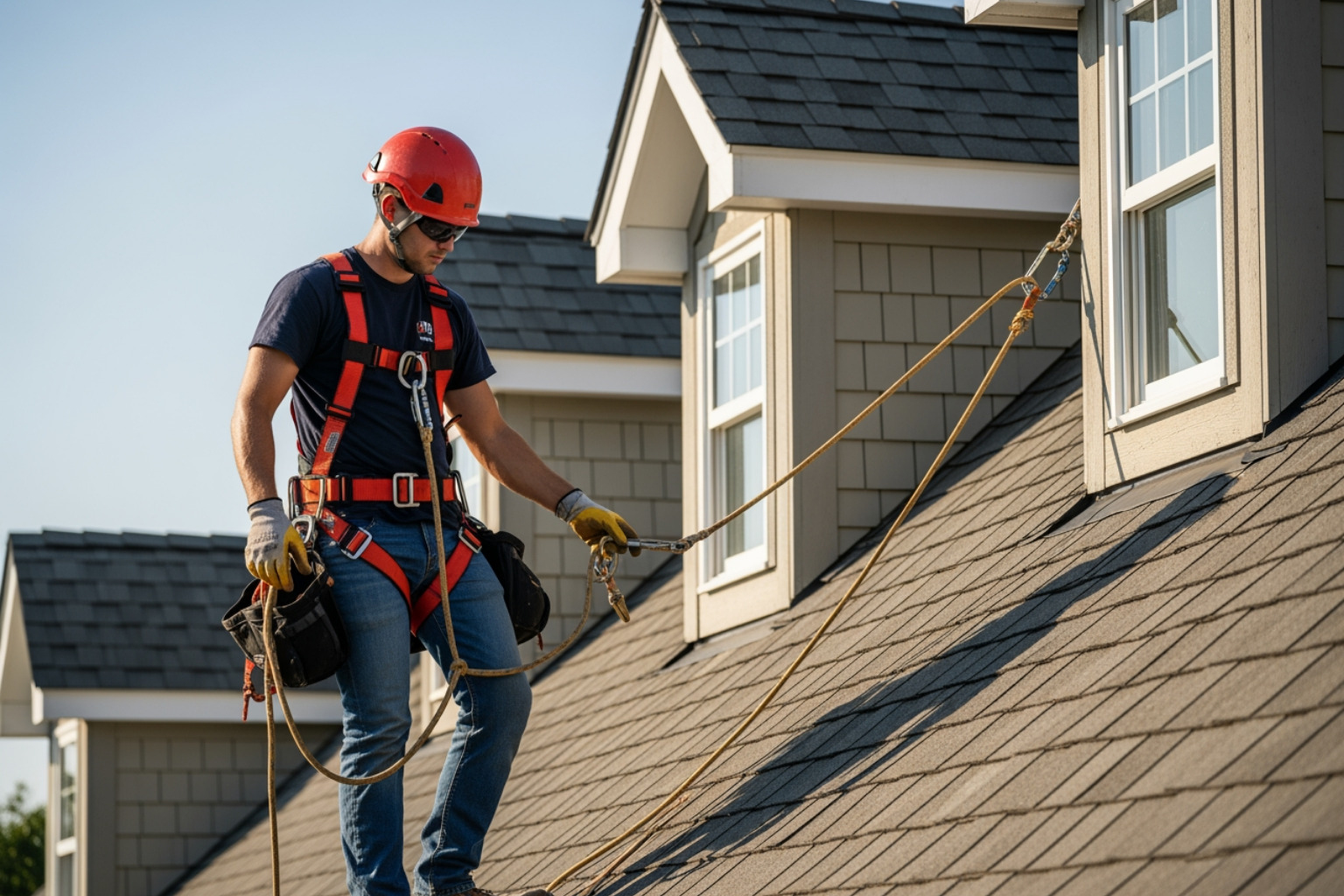
- Essential Safety Training: Crews receive mandatory training, including Fall Protection and working at heights certifications, to ensure safe practices on every job site from Bountiful to Tooele.
- Comprehensive Liability Insurance: A certified contractor will carry at least $2 million in liability insurance. This protects you from financial responsibility in case of accidental damage to your property during the project.
- Worker’s Compensation Coverage: This is critical. If a worker is injured on your property and the contractor lacks worker’s compensation, you could be held liable for their medical bills. Certified contractors always carry this coverage, safeguarding you from this enormous risk.
The High Stakes: Risks of Hiring an Uncertified Roofer
While a lower bid from an uncertified contractor might seem tempting, it’s often a false economy that leads to significant financial loss and stress. The risks associated with hiring an uncertified roofer are substantial and can far outweigh any initial savings, from poor workmanship to legal liabilities.
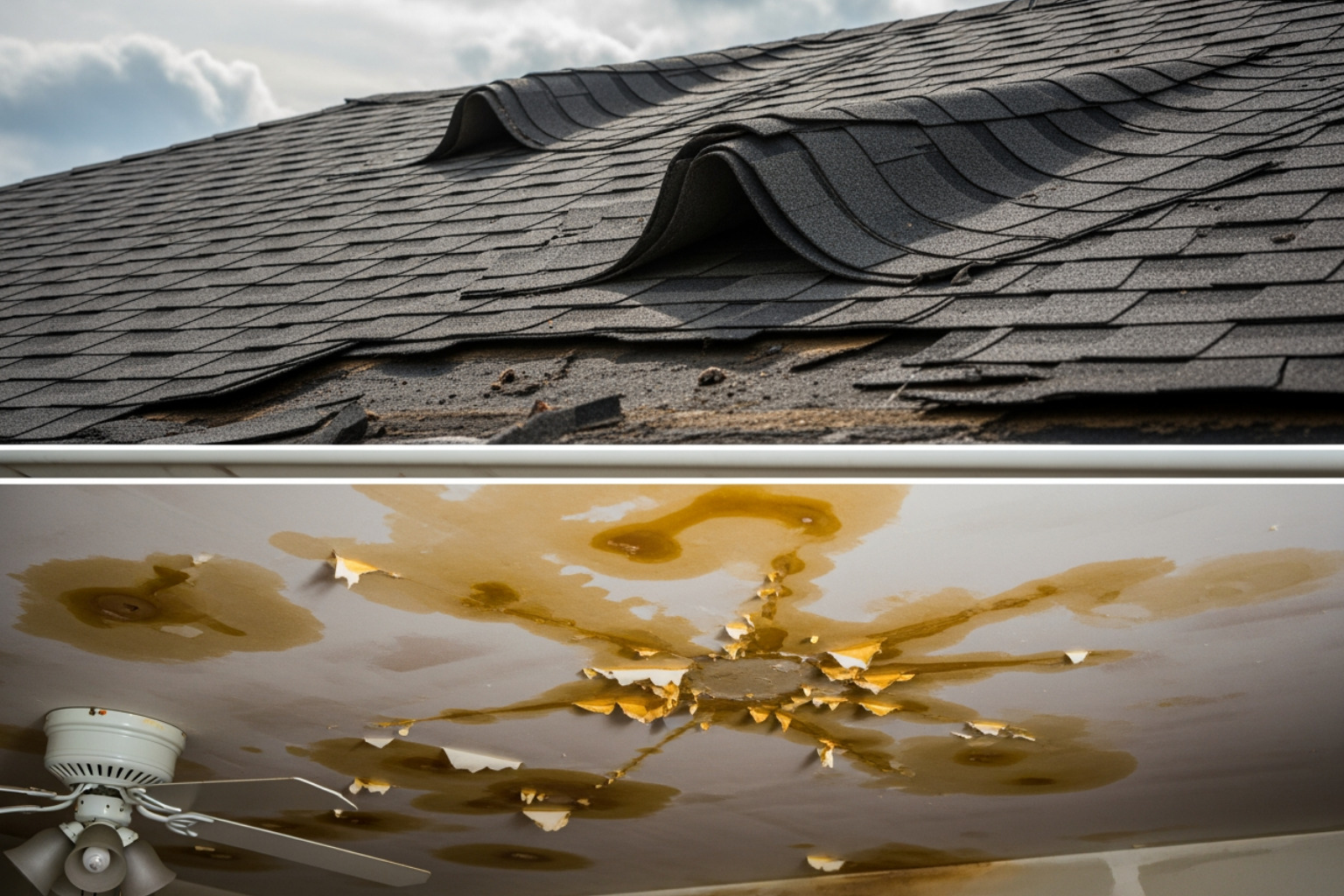
Uncertified contractors often lack the formal training and insurance that certified professionals possess, resulting in a roof that fails prematurely. Learning to How to Spot Early Signs of Roof Damage can be critical if you hire an unqualified contractor.
Potential for Costly Mistakes and Re-work
The most immediate risk is the high potential for costly mistakes that compromise your roof’s integrity.
- Improper Installation: Incorrect fastening, poor flashing, or inadequate deck preparation can lead to major issues down the line.
- Premature Roof Failure: A poorly installed roof won’t last. Shingles may curl, crack, or blow off, exposing your home to the elements and leading to expensive, early replacement.
- Water Leaks and Structural Issues: Improper installation inevitably leads to leaks, which can cause mold, rot in your roof decking, and even compromise your home’s structural integrity.
- Voided Manufacturer Warranties: Even with high-quality materials, the manufacturer’s warranty can be voided if they aren’t installed to the brand’s exact specifications, leaving you with no recourse. A cheap roof often becomes the most expensive one you’ll ever buy. Be aware of the Signs You Need Roof Repair or Replacement.
Liability and Insurance Nightmares
Beyond poor workmanship, hiring an uninsured roofer exposes you to devastating legal and financial liability.
- Homeowner Liability for Accidents: If an uninsured worker is injured on your property, you could be held personally liable for their medical bills and lost wages. This could amount to hundreds of thousands of dollars.
- No Coverage for Property Damage: Without general liability insurance, if the contractor damages your property or a neighbor’s, you will be left to cover the costs yourself.
- Lack of Worker’s Compensation: This insurance is designed to protect employees. Without it, the financial burden of an on-the-job injury falls to the property owner. A reputable contractor will always be insured. Learn How to Spot a Utah Roofing Company You Can Trust.
Your Due Diligence Checklist: How to Verify a Contractor’s Credentials
A thorough vetting process is essential to ensure you’re hiring a truly qualified and trustworthy certified roofing contractor. This means verifying their credentials, checking their track record, and asking the right questions. To get started, review The Top 8 Questions to Ask Your Roofing Contractor Before Hiring.
Step 1: Check Local Licensing and Insurance
Before anything else, ensure the contractor meets Utah’s fundamental legal and insurance requirements. This is non-negotiable.
- Utah DOPL License: Your contractor must be licensed by the Utah Division of Occupational and Professional Licensing (DOPL). Ask for their license number and verify it on the DOPL website.
- Proof of Liability Insurance: Request a current certificate of insurance showing at least $2 million in liability coverage. This protects your property from accidental damage.
- Worker’s Compensation Verification: Ask for a current certificate of worker’s compensation. This protects you from liability if a worker is injured on your property.
- Local Business Licenses: Ensure the contractor holds the necessary business licenses for your city or county, such as Salt Lake City or Provo.
Step 2: How to Verify a Certified Roofing Contractor’s Claims
Once licensing and insurance are confirmed, verify their certifications. A legitimate contractor will be transparent about their credentials.
- Manufacturer Websites: The best way to verify certifications from brands like GAF or Owens Corning is on the manufacturer’s official website. Most have a “Find a Contractor” tool to confirm their status.
- Industry Association Directories: For certifications like the NRCA PROCertification®, check the issuing organization’s website. The NRCA allows you to Verify an NRCA ProCertified® Individual online.
- Top Certifications to Look For: Prioritize manufacturer-specific certifications (e.g., GAF Master Elite, Owens Corning Platinum Preferred) for the best warranties, the NRCA PROCertification® for overall excellence, and safety certifications (Fall Protection) for the crew.
Step 3: Investigate Their Reputation and Past Work
A contractor’s reputation is a powerful indicator of their quality and reliability.
- Check the Better Business Bureau (BBB): Visit the Better Business Bureau website to check their rating, accreditation status, and any customer complaints. A long-standing A+ rating is a strong positive signal.
- Online Reviews: Read reviews on Google, Yelp, and other platforms. Look for consistent positive feedback regarding professionalism, quality, and communication.
- Request a Portfolio and Local References: Ask to see examples of completed projects and request a list of recent, local clients. Call those references and ask about their experience, including timeliness, budget, communication, and overall satisfaction.
This due diligence will help you How to Choose the Best Salt Lake City Roofing Company for You.
Frequently Asked Questions about Certified Roofers
Here are answers to some of the most common questions we hear from homeowners in Salt Lake City and beyond.
Is a “licensed” roofer the same as a “certified” roofer?
No, they are different but both are crucial.
- Licensed: A license is a mandatory, government-issued permit to operate legally (e.g., from the Utah DOPL). It’s the minimum requirement.
- Certified: Certification is a voluntary credential from a manufacturer (like GAF) or industry group (like NRCA) that proves specialized training and a higher commitment to quality.
A top-tier certified roofing contractor will have both a valid license and relevant certifications to prove their expertise.
Does hiring a certified contractor cost more?
Initially, a bid from a certified roofing contractor might be slightly higher, reflecting their investment in training, insurance, and quality materials. However, it provides better long-term value.
- Fewer Costly Repairs: Proper installation prevents leaks and premature failure, saving you from expensive re-work.
- Better Warranties: Access to exclusive, non-prorated warranties can save you thousands if an issue arises.
- Peace of Mind: You’re investing in a correctly installed, safe, and guaranteed roof. This reliability saves money and stress over the life of your roof.
What’s the single most important certification to look for?
This depends on your project, but here are the key ones to prioritize:
- Manufacturer Certification (e.g., GAF Master Elite): This is paramount if you want the best warranty for a specific brand’s materials. It ensures the product is installed to exact specifications.
- NRCA PROCertification®: This is an excellent indicator of overall professionalism and broad expertise across different roofing systems.
- Safety Certifications (Fall Protection): These are non-negotiable for the crew working on your home. It protects them and protects you from liability.
Ideally, your contractor will hold relevant manufacturer certifications, demonstrate industry professionalism (NRCA), and prioritize safety. This comprehensive approach ensures the best outcome for your project, whether you’re in South Jordan, Lehi, or Magna.
Conclusion
Understanding the value of a certified roofing contractor is your best defense against poor workmanship, financial risk, and future headaches. Certification is a testament to a contractor’s proven expertise, commitment to quality, and dedication to safety. The benefits—from superior warranties and meticulous installation to homeowner liability protection—are undeniable.
Don’t leave your most valuable asset to chance. By choosing a certified professional, you are investing in decades of durability and peace of mind. As a 4th-generation, family-owned company with over 65 years of experience, Heaton Bros. Roofing embodies these principles of reliability and customer satisfaction. We provide quality, affordable roof repairs, replacements, and new construction for homes across the Wasatch Front.
Protect your investment and choose wisely. Let us help you find a reliable roofing contractor for your home.